


Moving money across borders shouldn’t feel like sending a letter in the mail or using a pigeon. Yet for many businesses, that’s still the reality. They often have to deal with delays, hidden fees, and limited visibility. Recently, stablecoins have proved that this process can be more reliable and efficient, offering near-instant global transfers. But to truly unlock their potential, one key piece of infrastructure needs to work in the background: on-ramps and off-ramps.
These systems act as the bridge between traditional banking and blockchain networks, allowing businesses to move between fiat currencies (like dollars, euros or pounds) and stablecoins. So, let’s dive in and understand what they can do for your business.
How Traditional Payment Rails Still Set the Pace
Before money reaches the blockchain, it starts its journey through traditional banking systems. In Europe, this typically means SEPA transfers, while in the UK, businesses rely on Faster Payments.
SEPA transfers are widely used across the Eurozone and can take anywhere from a few hours to a full business day, depending on the bank and timing. Faster Payments, on the other hand, lives up to its name, often settling within seconds and operating 24/7.
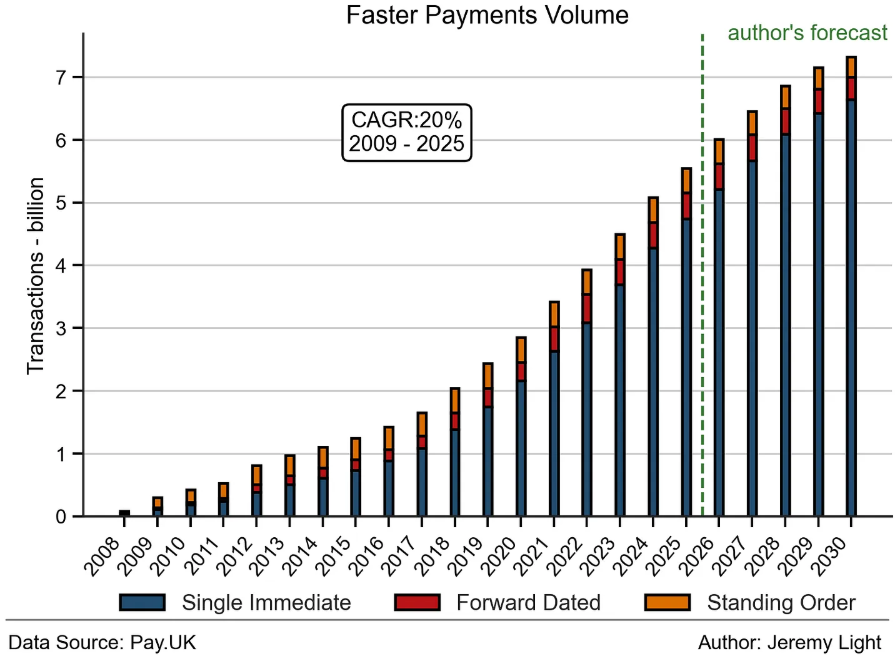
These systems are reliable, of course, but they still operate within frameworks and banking hours that can introduce delays or friction. This is where stablecoins come in, not to replace these rails necessarily, but to enhance what happens after the money moves.
Why Stablecoins Change the Game
Stablecoins like USDT and USDC are designed to maintain a stable value, typically pegged to the US dollar. Unlike traditional bank transfers, they operate on blockchain networks that run continuously, without downtime or geographic limitations.
Once funds are converted into a stablecoin, they can be transferred globally in seconds, at any time of day. This makes them an ideal settlement layer for businesses dealing with international payments, treasury management, or cross-border operations.
While USDT is widely used for liquidity, trading, and global transfers, USDC is often favored in regulated environments due to its transparency and compliance focus. Both serve similar purposes, but the choice often depends on the specific needs of the business.
The Role of Virtual Accounts
A key innovation behind modern on-ramps is the use of virtual accounts. A virtual account is a digital identifier that you may see formatted as an account number or IBAN. When funds arrive, the system automatically knows who they belong to. This conveniently allows for instant reconciliation of incoming payments and scalability without manual intervention.
For businesses handling high volumes of transactions, this is essential. It ensures that funds can be tracked, attributed, and processed before being converted into stablecoins.
The On-Ramp: Fiat to Stablecoin
The on-ramp process is what turns traditional money into digital assets. While it may sound complex, it typically follows a straightforward flow:
- A business sends fiat (e.g., EUR or GBP) via SEPA or Faster Payments
- The funds arrive and are automatically attributed via a virtual account
- The system triggers a conversion into a stablecoin like USDT or USDC
- The stablecoin is delivered to a designated wallet
If the initial transfer is instant (as with Faster Payments), the entire process can complete in minutes. If not, the blockchain leg still executes immediately once the fiat funds settle.
The Off-Ramp: Stablecoin to Fiat
The off-ramp works in reverse, converting stablecoins back into traditional currency:
- The user sends stablecoins to a provider’s wallet
- The system confirms receipt and initiates conversion
- Fiat is sent to a bank account via SEPA or Faster Payments
Again, the speed depends largely on the fiat rail used. The blockchain portion remains fast and efficient, while the final step relies on the capabilities of the local banking system.
Where Friction Still Exists
While stablecoins remove many inefficiencies, they don’t eliminate all friction.
Fiat systems can still introduce:
- Processing delays, especially during non-business hours
- Compliance checks, which may pause large or unusual transactions
- Regional limitations, depending on banking infrastructure
These factors mean that while stablecoin transfers are instant, the entry and exit points still depend on traditional systems.
Why This Matters for Businesses
Settlement speed isn’t just a technical detail, it has financial implications.
When payments take days to clear, capital gets tied up in transit. This affects cash flow, limits flexibility, and introduces uncertainty into planning. Businesses often compensate by holding larger reserves, which takes a toll on a business’s overall efficiency.
Stablecoin infrastructure changes that equation. By enabling near-instant settlement once funds are on-chain, businesses can move capital faster, reduce idle balances, and gain clearer visibility over their operations. For companies operating globally, it’s a whole shift in how money moves.
Streamline Your Stablecoin Operations with Tap
If your business is ready to move beyond traditional banking limitations and tap into the speed and efficiency of stablecoins, Tap's crypto business account gives you everything you need in one platform.
Get your own individual IBAN and access payment accounts in major national currencies like EUR, GBP, and more, with full support for SEPA Instant and Faster Payments. This means you can handle fiat on-ramps and off-ramps seamlessly, moving between traditional currency and digital assets without juggling multiple providers or waiting for slow bank transfers.
Tap also supports pair-agnostic trading across over 70 cryptocurrencies, including major stablecoins like USDT and USDC. Whether you're converting fiat to stablecoin for faster settlement or moving capital across borders, Tap's platform is built to move as fast as your business does.
Ready to experience the future of global payments? Get in touch here.
This article is for general information purposes only and is not intended to constitute legal, financial or other professional advice or a recommendation of any kind whatsoever and should not be relied upon or treated as a substitute for specific advice relevant to particular circumstances. We make no warranties, representations or undertakings about any of the content of this article (including, without limitation, as to the quality, accuracy, completeness or fitness for any particular purpose of such content), or any content of any other material referred to or accessed by hyperlinks through this article. We make no representations, warranties or guarantees, whether express or implied, that the content on our site is accurate, complete or up-to-date.
