
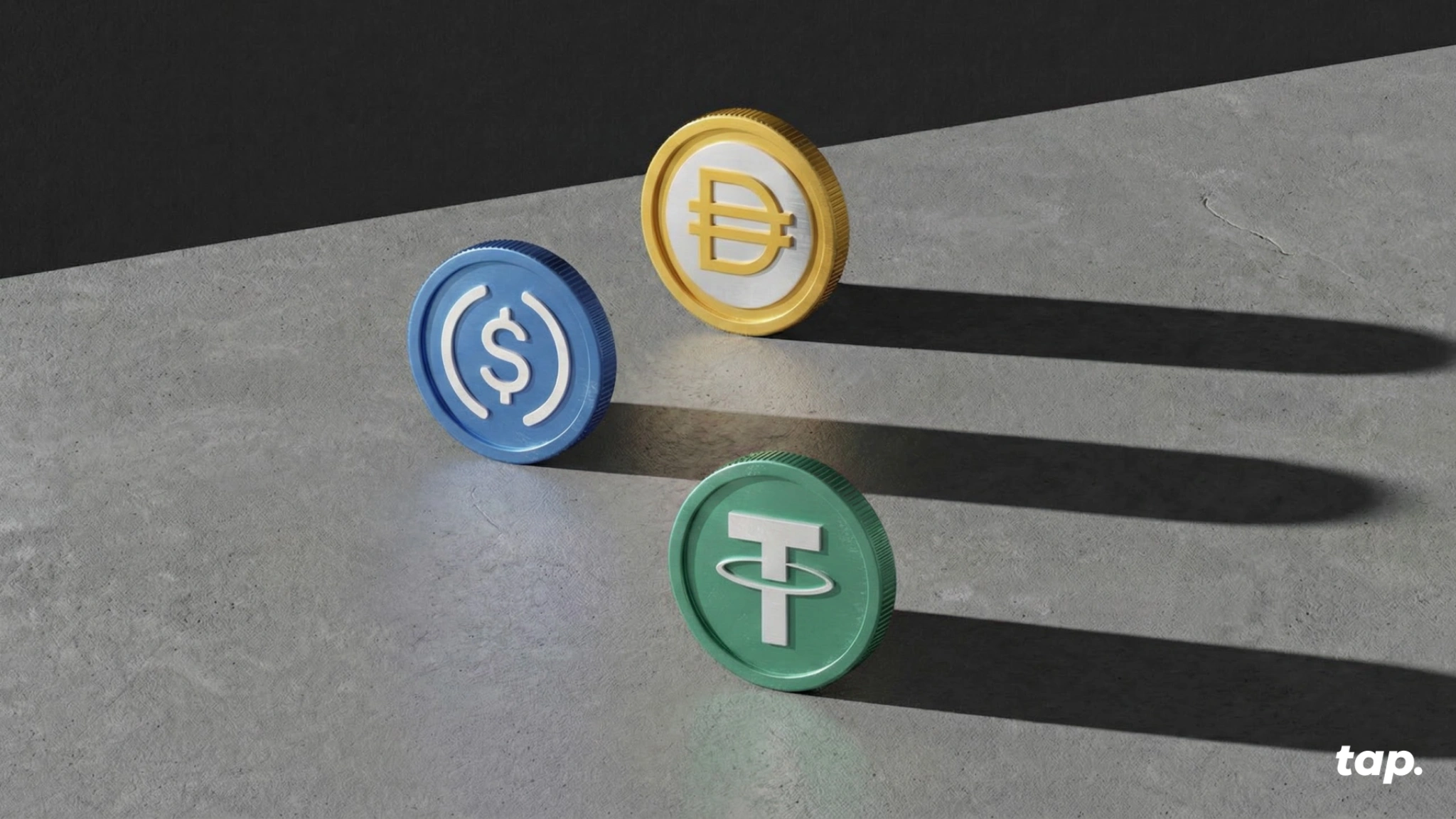


In 2025, millions of people stopped waiting for the financial system to provide faster and cheaper alternatives for payments. They simply started using something else. Millions of users across 15 countries have gradually started receiving slices of their income in stablecoins, and they aren’t looking back.
Stablecoins: An Everyday Currency
A new survey conducted by YouGov across 4,658 crypto users and prospective holders, puts some hard numbers to what was previously more anecdote than data. The results paint a picture of stablecoins that looks very different from the speculative, volatile image that crypto has long carried: 39% of respondents said they already receive income in stablecoins, accounting for roughly 35% of their annual earnings on average. These aren’t side hustles necessarily. For many, this is primary income.
The spending side is catching up too. More than a quarter of stablecoin holders, 27%, use them for routine purchases, carrying an average of around $200 in their digital wallets for day-to-day transactions. More than half said they had deliberately chosen a merchant specifically because they accepted stablecoins. In emerging markets, that number jumps to 60%.
The geography of adoption is telling. Ownership is higher in lower- and middle-income economies; 60% of respondents in those regions hold stablecoins versus 45% in wealthier countries. Africa stands out sharply, posting the highest ownership rate globally at 79% and the steepest year-over-year growth. The pattern makes sense: where banks are slow, remittances are expensive, and currencies are unstable, a dollar-pegged digital asset that travels instantly and cheaply is less of a novelty and more of a lifeline. Users making cross-border transfers reported saving approximately 40% on fees compared to traditional remittance services, a number that hits differently when you're sending money home every month.
The reasons people give for using stablecoins aren’t ideological. Lower transaction costs, better security, and global accessibility top the list. This isn’t a movement of crypto idealists, it’s a pragmatic shift by people who found a tool that works better for their specific situation.
Demand for deeper integration with the existing financial system is also clear. 77% of respondents said they would open a stablecoin wallet if their primary bank or fintech provider offered one, and 71% said they’d want a debit card linked to their stablecoin balance. The infrastructure gap between crypto and conventional banking, it seems, is one most users would happily see closed.
Stable Expansion
The timing matters too. The passage of the GENIUS Act in the U.S. and the rollout of Europe’s MiCA regulation have added regulatory scaffolding that’s accelerating corporate moves into the space. Payroll platform Deel announced recently that it will offer stablecoin payments, starting with U.K. and EU workers, before expanding to the U.S.
The shift can be seen on-chain, with a dramatic increase in the volume of stablecoin transactions in recent years, often running into the trillions. The total stablecoin market now sits around $307 billion, up from $260 billion around the time the GENIUS Act was signed. The trajectory is hard to argue with, and it’s not showing signs of stopping. The growth is real, and increasingly, so are the paychecks.
Bottom Line
What began as a niche tool for crypto traders has become a financial backbone for millions of people worldwide: one that’s faster, cheaper, and more accessible than the systems it’s starting to replace. And with regulatory clarity arriving on both sides of the Atlantic, businesses and institutions are no longer sitting on the sidelines. Banks, fintechs, and payroll platforms are moving in, and users are ready to meet them there. For them, stablecoins aren’t an experiment anymore. They’re just how money works now.
This article is for general information purposes only and is not intended to constitute legal, financial or other professional advice or a recommendation of any kind whatsoever and should not be relied upon or treated as a substitute for specific advice relevant to particular circumstances. We make no warranties, representations or undertakings about any of the content of this article (including, without limitation, as to the quality, accuracy, completeness or fitness for any particular purpose of such content), or any content of any other material referred to or accessed by hyperlinks through this article. We make no representations, warranties or guarantees, whether express or implied, that the content on our site is accurate, complete or up-to-date.
