
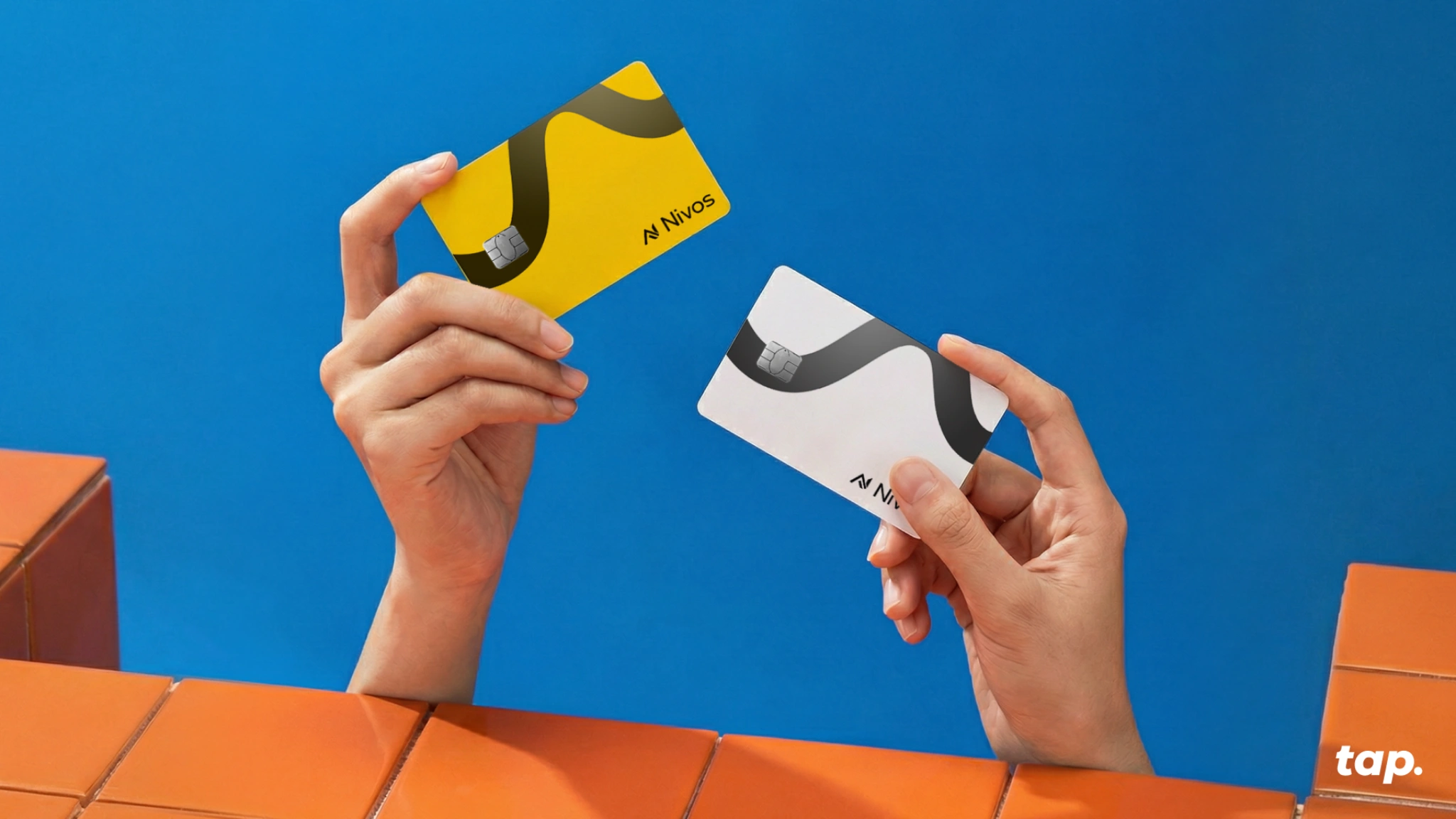


You don’t need to call your bank to issue a debit card anymore. That world is gone. Today, all sorts of brands can launch branded debit card programs by partnering with all sorts of financial licensed institutions. It doesn’t matter if you’re managing gig-economy payouts, or operating any business where users hold balances. Your business can be anything! A debit card program can increase engagement, strengthen loyalty, unlock revenue through fees, and give users seamless access to their funds.
We’ll show you what a debit card program actually is, why businesses launch them, how they differ from credit cards and prepaid cards, what they cost, and the exact steps required to bring one to market. But first a little spoiler: despite the tools that modern technology puts at our disposal, launching a program from scratch isn’t for everyone.
What Is a Debit Card Program?
A debit card program will allow your business to issue a branded card that dares funds directly from a linked bank account. So, when a user makes a purchase, money is deducted immediately from their balance. This is the main difference with credit cards, which extend credit and fall under an entirely separate set of rules and regulations. Debit cards work under electronic funds transfer regulations and require real-time computing to check balances and prevent overdrafts. Simple enough, right?
Here’s what’s important to understand. Launching a debit card program does not mean starting a bank. Creating a bank requires tens of millions in capital, years of regulatory approval, and expertise in risk, compliance, and a whole ecosystem of banking operations. A debit card program, by contrast, is built through partnerships with licensed banks that act as issuers and BIN sponsors. Programs can support physical debit cards, virtual cards for online payments, or both. They are commonly used for consumer banking apps, employee spending, payroll access, gig-economy payouts, etc.
Why Launch a Debit Card Program?
If your business already manages user balances or financial workflows, debit cards unlock real advantages. First, debit cards increase customer engagement. First, debit cards increase customer engagement. Every transaction becomes a brand touchpoint. This means there will be constant interaction with your mobile app or platform. Second, they strengthen customer loyalty by keeping spending within your ecosystem rather than external wallets or banks. If your users can access their money through your card, they are less likely to move their funds elsewhere.
Debit card programs also provide data insights into spending behavior. This means you will learn more about their transaction frequency, and usage patterns, and this in turn will lead to better product decisions and personalization. You will also see what merchants your users prefer and when they spend. This information is invaluable for improving your users’ experience.
From a revenue perspective, businesses earn interchange fees on each transaction, creating usage-based income. Every swipe, tap, or online payment generates a small fee, and at scale, those fees can add up to a meaningful revenue stream. Debit cards will also simplify operations by giving you access to funds for customers, employees, or contractors. This will reduce issues regarding payments, withdrawals, and everyday spending.
Common use cases are neobanks issuing consumer debit cards, payroll platforms offering instant wage access through direct deposit cards, or marketplaces enabling wallet-to-card functionality so freelancers and gig workers can access earnings immediately.
Debit Card vs Other Card Types: Understanding the Difference
Debit cards can be confused with other card products, but the differences matter. Let’s go through a quick comparison to set the record straight.
- Debit cards are linked to a bank account and only allow spending of available funds. Users do not undergo credit checks, and transactions settle in near real time using real-time computing infrastructure. Because there's no credit risk, the regulatory framework is simpler.
- Credit cards extend a line of credit, require underwriting to assess risk, and are governed by lending regulations such as the Truth in Lending Act in the U.S., for instance. They carry higher interchange fees and greater risk for the issuer.
- Prepaid cards hold a stored balance that is loaded in advance and is not necessarily tied to a traditional bank account. They follow different compliance rules and are commonly used for gift card programs, incentive rewards, subscription services, or travel. Prepaid cards can be useful, but they lack the direct connection to a user’s finances.
How Much Does It Cost to Launch a Debit Card Program?
Costs vary based on scale, features, and geography, but you can expect them to follow a similar pattern. Let's break it down. You can expect smart cards to cost you between $2 to $10 dollars per card. The production of cards accounts for plastic and chips with integrated circuits. You can expect cards with near-field communication (NFC) to cost more, while premium cards such as metal cards can cost as much as $20 dollars simply to produce.
Beyond the cost of acquiring the cards you need, you will need to spend on BIN sponsorship applications, legal review, and card design. Then you will need to pay for ongoing expenses like technology fees, BIN sponsorship, compliance monitoring, fraud detection systems, and customer support infrastructure. In short, you can easily expect costs to surpass $100,000 in the first year of your program.
Key Requirements for Launching a Debit Card Program
- Bank partnership to sponsor the program.
- Registered business entity to be in a good legal and financial standing.
- Compliance infrastructure such as KYC, AML, and fraud monitoring.
- Technology stack for card management APIs and account systems.
- Operating capital to support settlements and growth.
- Customer support to dispute handling and cardholder assistance.
- Security standards such as PCI DSS and data protection controls.
To launch a debit card you will need to sort out these factors first. Partnering up with a bank will take care of most of these, but you’re still responsible for understanding how they work and ensuring your program meets regulatory standards.
Step-by-Step Guide to Launching Your Debit Card Program
Step 1: Define Your Debit Card Program Objectives
Start by identifying who the card is for: customers, employees, contractors, or students. Clarify use cases such as daily spending, ATM withdrawals, online payments, or payroll access. Are you trying to improve user experience, create a new revenue stream, or reduce friction in your existing workflows?
Decide whether you’ll issue virtual cards, physical cards, or both. Virtual cards can be issued instantly and are great for online commerce, streaming media subscriptions, and digital purchases. Physical cards take longer to produce and mail but are essential for point of sale transactions and ATM access. Estimate expected card volume and budget. How many users do you expect in year one? What's your target market? What's your projected transaction frequency? These numbers will guide your partnership conversations and help you understand the full cost and resource requirements.
Step 2: Choose Your Debit Card Program Model
Select the structure that fits your business. Open-loop debit cards work anywhere Visa or Mastercard is accepted, giving users maximum flexibility. White-label programs keep your brand front and center, while co-branded models share visibility with partners like banks or payment processors.
You’ll also choose between consumer debit cards and business debit cards depending on your target market. Consumer cards are designed for personal spending, while business cards may include features like expense tracking, invoice management, and accounting integrations.
Think through your value proposition: what makes your card better than what users already have? Is it lower fees, better rewards, instant access to funds, or seamless integration with your platform? If you can’t answer this clearly, your adoption rates will suffer.
Step 3: Select a Bank Partner and BIN Sponsor
Your issuing bank provides regulatory coverage and access to card networks. This partnership is foundational, so choose carefully.
You will evaluate partners based on:
- Debit card experience : Have they launched similar programs before?
- Transparency on fees: Are costs clear and predictable?
- Compliance support: Will they help you navigate AML, KYC, and fraud prevention?
- Technology compatibility: Does their infrastructure integrate with your systems?
- Time to market: How long will the partnership and implementation process take?
Some banks specialize in fintech partnerships and have streamlined onboarding processes. Others may require months of negotiation and technical integration. Ask questions upfront and get clear commitments on timelines and support.
Step 4: Choose a Payment Network
Most debit cards run on Visa or Mastercard due to near-universal acceptance. Users expect to be able to use their cards at any merchant, online or in person, and these networks provide that reach.You may also need access to regional ATM networks for cash withdrawals. Without ATM partnerships, your users will face fees and limited access, which can hurt adoption and satisfaction.
Network coverage, fees, and geographic reach should match your customer base. If you're launching in the U.S., for instance, make sure your network agreements support domestic transactions and ATM access. If you’re expanding to the European Union or other regions, consider multi-currency support and international acceptance.
Step 5: Build the Technology Infrastructure
Your platform must support real-time balance checks, transaction authorization, card lifecycle management, and fraud monitoring. A mobile interface is strongly recommended for balance visibility, transaction alerts, PIN management, and digital wallet integration.
Step 6: Ensure Regulatory Compliance
In the U.S., for instance, debit cards fall under Regulation E and the Electronic Fund Transfer Act. You’ll need to tools to consider:
- Error resolution
- Transaction disputes
- KYC verification
- AML monitoring
- PCI DSS compliance
Your bank partner typically provides regulatory guidance, but accountability remains shared. You’re responsible for understanding the rules, implementing proper controls, and maintaining compliance over time. Cutting corners here can result in fines, program suspension, or legal action.
Step 7: Design Your Debit Card
Design must follow payment network branding rules and avoid restricted imagery such as explicit content, or prohibited products. Visa and Mastercard have specific guidelines on logo placement, color usage, and trademark requirements.
Physical cards must clearly display required elements like:
- Card number
- Expiration date
- Cardholder name
- Network logo (Visa, Mastercard, etc.)
- Security features (CVV, chip, contactless symbol)
Virtual card designs should also translate cleanly into digital wallets and mobile apps. Think about how your card will appear in Apple Pay, Google Pay, and other platforms. It should feel cohesive with your brand and easy to recognize.
Step 8: Launch and Distribute
Finally, you’ll decide on a phased or full launch. A phased approach lets you test with a small group first, gather feedback, and fix issues before scaling. A full launch gets your product to market faster but carries more risk if something goes wrong. Make sure support channels are live before the first cards are issued. You won’t want users contacting you with questions or problems and finding no one there to help.
Common Challenges with Debit Card Programs
Debit card programs introduce operational complexity that shouldn’t be underestimated. Fraud is especially sensitive because transactions impact user funds directly. Unlike credit cards, where the bank absorbs losses, debit card fraud hits users immediately. Real-time monitoring, instant card controls (freeze, block, replace), and strong authentication methods are critical to maintaining trust.
Customer disputes must be handled quickly. If a user reports an unauthorized transaction, you have specific legal timelines to investigate and resolve the issue. Missing those deadlines can result in regulatory penalties and user dissatisfaction.
ATM access expectations can also be challenging without the right network partnerships. If users can't withdraw cash easily or face high fees, they’ll abandon your card for alternatives that work better.
Finally, maintaining accurate real-time balances is non-negotiable. Any lag can erode trust and create overdraft risk, making infrastructure quality a top priority. Your systems need to track every transaction, update balances instantly, and prevent users from spending money they don't have. Get these fundamentals right, and your debit card program can become a powerful tool for growth. Get them wrong, and it’ll have been all for nothing.
Skip the Grind: Launch with Tap Instead
Here’s the truth: building a debit card program from scratch means months of talks, compliance setup, technology integration, and ongoing operational overhead. It's doable, yes. But it’s not quick, and it’s definitely not cheap.
Tap offers a faster path. Our white label card platform handles the heavy lifting, so you can focus on what you care about: your product and your users. While building from scratch can take a year or more, Tap enables you to launch a fully branded debit card program in as little as 12 weeks.
Tap’s platform is built for flexibility and growth. Whether you’re issuing your first hundred cards or scaling to hundreds of thousands, the infrastructure adapts to your needs. Cards are fully customizable, allowing you to create a payment experience that feels like an authentic extension of your brand.
Ready to explore what a tailored debit card program could do for your business? Get in touch with our team today.
This article is for general information purposes only and is not intended to constitute legal, financial or other professional advice or a recommendation of any kind whatsoever and should not be relied upon or treated as a substitute for specific advice relevant to particular circumstances. We make no warranties, representations or undertakings about any of the content of this article (including, without limitation, as to the quality, accuracy, completeness or fitness for any particular purpose of such content), or any content of any other material referred to or accessed by hyperlinks through this article. We make no representations, warranties or guarantees, whether express or implied, that the content on our site is accurate, complete or up-to-date.
