Aprender, de forma sencilla
Explora nuestros recursos, guías y artículos sobre todo lo relacionado con el dinero. Gana confianza financiera con contenidos seleccionados por nuestros expertos, tanto si estás empezando como si ya tienes experiencia.
Últimos artículos
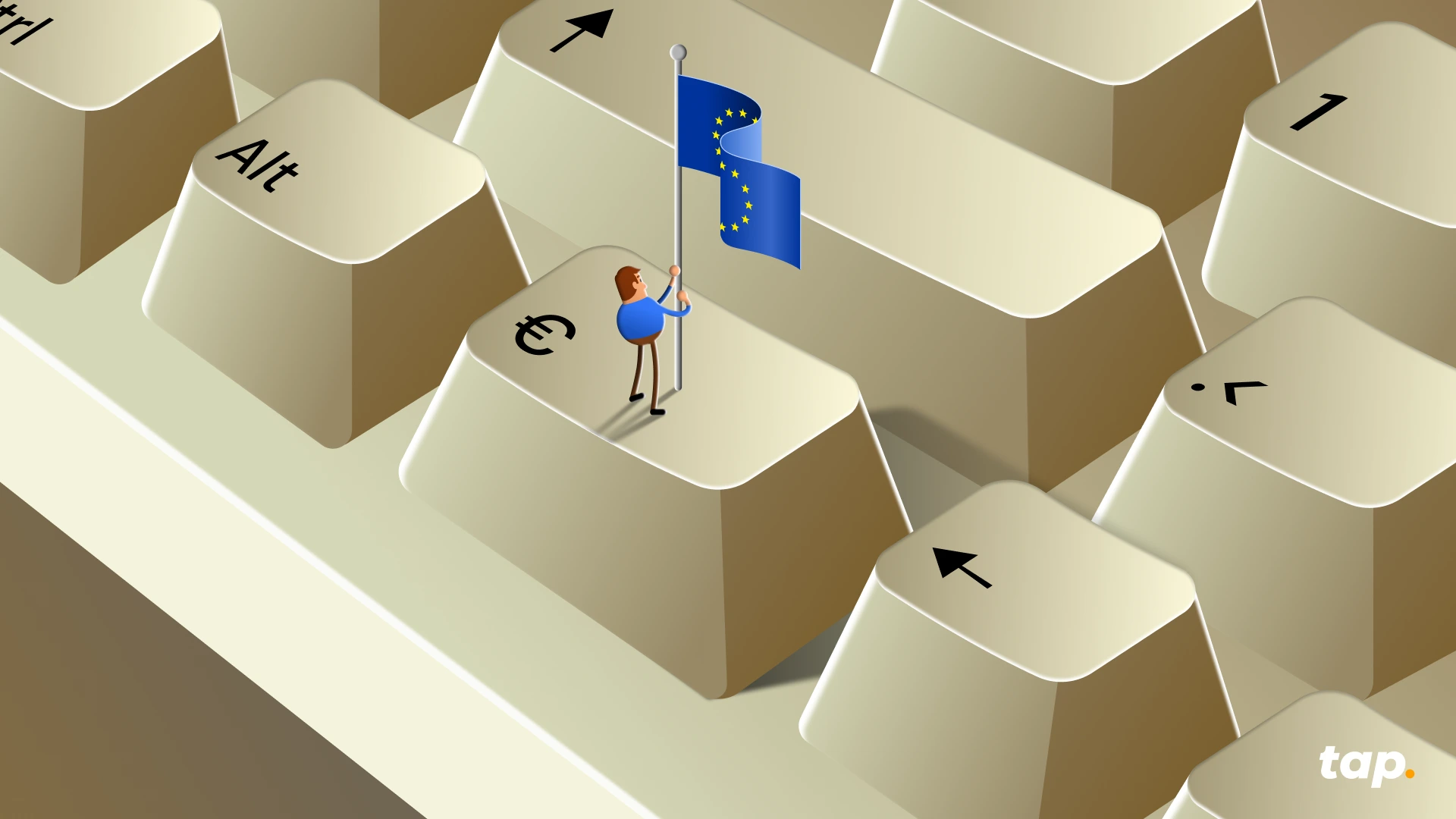
¿Alguna vez miraste tu teclado, viste el pequeño símbolo € junto al número 4, lo pulsaste con confianza y apareció un testarudo $? No eres el único. Esta frustración tan común tiene una solución mucho más sencilla de lo que parece.
Cómo escribir el símbolo del euro (€)
La combinación mágica es Alt Gr + 4. Mantén pulsada la tecla Alt Gr (la Alt de la derecha) y presiona 4. Como por arte de magia, aparece el €.
¿No encuentras Alt Gr? No pasa nada. Ctrl + Alt + 4 hace exactamente lo mismo. Estos atajos funcionan incluso si el símbolo del euro no aparece impreso en la tecla 4. Muchos teclados del Reino Unido lo muestran, pero el método funciona igual.
Este pequeño “truco” existe porque el sistema suele dar prioridad al dólar, pero el euro está ahí, esperando la combinación correcta para salir a escena.
Atajos del símbolo del euro (Windows y Mac)
Usuarios de Windows
- Alt Gr + 4 – método principal
- Ctrl + Alt + 4 – alternativa práctica
- Alt + 0128 – usando el teclado numérico (Num Lock activado)
Usuarios de Mac
- Opción (Option) + 2 – limpio y sencillo
- Opción + Mayús + 2 – para teclados con distribución estadounidense
- Método Unicode: escribe 20AC y pulsa Enter para convertirlo en €
Cada método tiene su propio ritmo. Encuentra el que te resulte más natural y deja que la memoria muscular haga el resto.
¿No ves el símbolo del euro en tu teclado?
Las distribuciones de teclado varían mucho. En algunos el € aparece junto a la E, en otros en el 5, y en algunos ni siquiera se muestra. Da igual dónde esté impreso: los atajos siguen funcionando.
Confía en Alt Gr + 4, aunque no veas el símbolo. Tu teclado sabe perfectamente dónde vive el euro.
Si tu teclado no tiene Alt Gr, el método Alt + 0128 con el teclado numérico es tu plan B más fiable. Solo asegúrate de que el Num Lock esté activado.
Usar el Mapa de caracteres o funciones del procesador de texto
A veces toca tomar la ruta “manual” usando herramientas integradas.
Mapa de caracteres en Windows
Ve a Menú Inicio → Mapa de caracteres. Escribe “euro” en la búsqueda, selecciona € y haz clic en Insertar. Aparecerá directamente en tu documento.
Microsoft Word y Google Docs
- En Word: Insertar → Símbolo
- En Google Docs: Insertar → Caracteres especiales
El símbolo del euro está en la sección de monedas, listo para un solo clic.
Atajo con Autocorrección
Puedes crear tu propio atajo configurando la autocorrección para que “EUR” se convierta automáticamente en “€”. Escribes tres letras y el símbolo aparece solo.
Escribir el símbolo del euro en móviles
En el móvil es todavía más fácil. Cambia al teclado de números o símbolos y mantén pulsado el símbolo del dólar ($). Se abrirá un menú con distintas monedas: selecciona €.
Este método funciona tanto en iOS como en Android.
Copiar y pegar el símbolo del euro
Cuando los atajos fallan o tienes prisa, lo más simple suele ser lo más efectivo:
€ Copia este símbolo y pégalo donde lo necesites.
¿Qué significa el símbolo del euro (€)?
Un dato curioso: el símbolo del euro se basa en la letra griega épsilon (ε), que representa tanto a Europa como a la estabilidad económica. Las dos líneas horizontales simbolizan la solidez y la unidad de la moneda.
La Comisión Europea eligió este diseño en 1995, buscando un símbolo reconocible, elegante y coherente con otras monedas internacionales.
¿El símbolo del euro va antes o después del número?
El símbolo del euro se coloca antes del número y sin espacio:
€10, €250, €1.000
Este formato sigue el estándar europeo y hace que las cifras sean más claras y fáciles de leer a nivel internacional.

¿Necesitas llamar a alguien en el Reino Unido desde el extranjero? Para que la llamada conecte correctamente, debes usar el código de país 44. Ya sea que llames a amigos, familia o contactos profesionales en Inglaterra, Escocia, Gales o Irlanda del Norte, saber cómo marcar correctamente es clave para comunicarte sin problemas.
¿Qué es el código de país 44?
El código 44 es el prefijo internacional asignado al Reino Unido por la Unión Internacional de Telecomunicaciones (UIT). Cuando llamas desde otro país, debes anteponer 44 al número local del Reino Unido para que la llamada se enrute por la red telefónica internacional.
Lo que debes saber sobre el código 44:
- Cubre todo el Reino Unido: Inglaterra, Escocia, Gales e Irlanda del Norte
- Sustituye al cero inicial: los números del Reino Unido empiezan por 0 a nivel nacional, pero ese 0 se elimina al usar 44
- Funciona para todos los números: fijos, móviles y líneas de empresa
- Es obligatorio para llamadas internacionales: sin 44 no podrás llamar al Reino Unido desde el extranjero
La regla clave es sencilla: cuando uses el código 44, no marques el “0” inicial del número británico.
Por ejemplo, un número de Londres que dentro del Reino Unido se marca como 020 7946 0958, desde el extranjero pasa a ser +44 20 7946 0958.
Cómo llamar al Reino Unido desde el extranjero
El formato estándar para llamar a números británicos es:
[Prefijo de salida internacional] + [44] + [Prefijo de área sin 0] + [Número local]
El prefijo de salida depende del país desde el que llames:
Desde Estados Unidos o Canadá
Marca: 011 + 44 + número del Reino Unido (sin el 0 inicial)
Ejemplo: 011 44 20 7946 0958
Desde países de la Unión Europea
Marca: 00 + 44 + número del Reino Unido (sin el 0 inicial)
Ejemplo (desde Alemania): 00 44 20 7946 0958
Desde India
Marca: 00 + 44 + número del Reino Unido (sin el 0 inicial)
Ejemplo: 00 44 20 7946 0958
Desde Australia
Marca: 0011 + 44 + número del Reino Unido (sin el 0 inicial)
Ejemplo: 0011 44 20 7946 0958
Consejo rápido: en la mayoría de smartphones puedes usar el símbolo “+” en lugar del prefijo de salida. Solo marca +44 seguido del número británico sin el cero inicial.
Prefijos de área del Reino Unido (líneas fijas)
Conocer los prefijos de área te ayuda a identificar la región a la que llamas y a marcar correctamente. Algunos de los más comunes son:
- Londres: 20 → +44 20 XXXX XXXX
- Birmingham: 121 → +44 121 XXX XXXX
- Manchester: 161 → +44 161 XXX XXXX
- Glasgow: 141 → +44 141 XXX XXXX
- Edimburgo: 131 → +44 131 XXX XXXX
- Liverpool: 151 → +44 151 XXX XXXX
- Cardiff: 29 → +44 29 XXXX XXXX
- Belfast: 28 → +44 28 XXXX XXXX
- Bristol: 117 → +44 117 XXX XXXX
- Leeds: 113 → +44 113 XXX XXXX
Recuerda: estos prefijos siempre van después del 44 y nunca incluyen el 0 inicial que se usa dentro del Reino Unido.
Errores comunes al marcar números del Reino Unido
Evita estos fallos habituales que impiden que la llamada conecte:
- Incluir el cero inicial: marcar +44 0… genera un formato inválido.
- Usar un prefijo de salida incorrecto: por ejemplo, marcar 00 desde EE. UU. (donde debe ser 011).
- Prefijos incompletos: no acortes códigos como el 121 de Birmingham.
- Restricciones del operador: algunos operadores bloquean llamadas internacionales por defecto.
- Confusión con la zona horaria: llamar de madrugada en el Reino Unido puede resultar en llamadas sin respuesta.
Cómo llamar a móviles del Reino Unido usando 44
Los números móviles del Reino Unido tienen un formato específico. A nivel nacional empiezan por 07, que en formato internacional se convierte en 447.
Estructura de móviles británicos:
- Formato nacional: 07XXX XXXXXX
- Formato internacional: +44 7XXX XXXXXX
Ejemplos:
- Desde EE. UU.: 011 44 7700 900123
- Desde la UE: 00 44 7700 900123
- Con el símbolo +: +44 7700 900123
Al guardar móviles del Reino Unido en tus contactos, usa siempre el formato internacional (+44 7XXX XXXXXX) para que funcionen tanto dentro del país como desde el extranjero.
Formas gratuitas de llamar al Reino Unido
Antes de pagar llamadas internacionales, considera estas alternativas gratuitas:
Apps VoIP (voz por internet):
- WhatsApp: llamadas de voz y vídeo gratis
- FaceTime: gratuito para usuarios de Apple
- Google Meet: videollamadas y opción de llamada
- Viber: llamadas gratis entre usuarios de Viber
Cuándo usar VoIP:
- Ambos tienen buena conexión a internet
- Llamadas personales o informales
- Conversaciones no urgentes
Cuándo es mejor una llamada tradicional:
- Emergencias
- Llamadas profesionales donde la calidad es clave
- Personas sin smartphone o con mala conexión
Números de emergencia y servicios especiales en el Reino Unido
Es útil conocer los tipos de números británicos:
Emergencias:
- 999: policía, bomberos y ambulancia
- 112: número de emergencia europeo (funciona en el Reino Unido)
- 101: policía, no urgente
Desde el extranjero también se usa +44, pero si estás físicamente en el Reino Unido y es una emergencia, marcar 999 o 112 localmente es más rápido.
Mejor hora para llamar al Reino Unido
Elegir bien la hora mejora las probabilidades de que te contesten:
- Zona horaria: GMT en invierno, BST (GMT+1) en verano
- Horario laboral: normalmente de 9:00 a 17:00, de lunes a viernes
Ventanas recomendadas:
Desde la costa este de EE. UU.:
- Mañana en Reino Unido = madrugada en EE. UU.
- Tarde en Reino Unido = mañana en EE. UU.
Desde la costa oeste de EE. UU.:
- Mañana en Reino Unido = madrugada profunda
- Tarde en Reino Unido = primera hora de la mañana
Desde India:
- Mañana en Reino Unido = tarde en India
- Tarde en Reino Unido = noche en India
Desde Australia (Sídney):
- Mañana en Reino Unido = noche en Australia
- Tarde en Reino Unido = madrugada en Australia
Para terminar
Entender cómo funciona el código de país 44 te garantiza que tus llamadas internacionales al Reino Unido conecten sin problemas. Ya sea para hablar con contactos profesionales en Londres, familia en Edimburgo o amigos en Cardiff, seguir estas pautas te ayudará a comunicarte eficazmente a través de fronteras.
.jpg)
La experiencia de "redirigir al banco" está agonizando. Los consumidores de hoy esperan que los servicios financieros sean invisibles, integrados e inmediatos.
Las cifras confirman esta tendencia. Se proyecta que el mercado global de las finanzas integradas alcance los 606.000 millones de dólares este año, creciendo hasta los 7,2 billones para 2030. Pero esto ya no es solo cuestión de que las fintech perturben la banca tradicional. Estamos siendo testigos de algo mucho más profundo: la financiarización de todas las industrias.
En un panorama cada vez más competitivo, las finanzas integradas se han convertido en el nuevo campo de batalla para la fidelización del cliente, la eficiencia operativa y la diversificación de ingresos.
Desde proveedores de salud que ofrecen financiación al paciente hasta empresas de gestión de propiedades que emiten tarjetas de pago para inquilinos, los negocios de todos los sectores están descubriendo que controlar la experiencia financiera no es solo una cuestión de conveniencia; se está convirtiendo en una cuestión de supervivencia.
Y las compañías que van ganando esta carrera no son necesariamente las que tienen más experiencia en servicios financieros. Son las que reconocen una verdad fundamental: todo negocio se está convirtiendo en una empresa de servicios financieros, lo sepa o no. Exploremos esta narrativa.
Mapeando el ecosistema de las finanzas integradas
Comprender las finanzas integradas requiere mirar más allá de los simples pagos para ver el ecosistema completo de servicios financieros que se entreteje en plataformas no financieras. Para ponerlo en términos más simples: se trata menos de procesar transacciones y más de crear experiencias financieras integrales.
Los cuatro pilares de las finanzas integradas
La infraestructura de pagos forma la base, abarcando desde la emisión de tarjetas y wallets digitales hasta transferencias en tiempo real y pagos transfronterizos. Aquí es donde la mayoría de las empresas comienzan su viaje, pero es solo el principio.
Las soluciones de crédito y préstamo representan la siguiente evolución, permitiendo a las plataformas ofrecer financiación instantánea, opciones de buy-now-pay-later (paga ahora o después) y líneas de crédito dinámicas. Una empresa de logística podría ofrecer anticipos de efectivo a sus conductores, mientras una plataforma de e-commerce proporciona financiación de inventario a sus vendedores.
Los servicios de seguros y gestión de riesgos se integran cada vez más en plataformas donde el riesgo ocurre de forma natural. Por ejemplo, las aplicaciones de ride-sharing ofrecen seguro por viaje, las plataformas de alquiler proporcionan protección de propiedad y las apps de la economía gig incluyen cobertura por accidentes.
La gestión de inversiones y patrimonio completa el panorama, con plataformas que ofrecen de todo, desde funciones de microinversión hasta gestión patrimonial integral integrada en las actividades de gasto cotidianas.
La revolución de la pila tecnológica
La magia ocurre en el middleware, donde las capas de API conectan las aplicaciones orientadas al usuario con la compleja infraestructura financiera. Las plataformas modernas de finanzas integradas eliminan la complejidad de las operaciones bancarias, los marcos de cumplimiento normativo y los requisitos regulatorios, permitiendo a cualquier empresa ofrecer servicios financieros sofisticados mediante simples llamadas API.
Y lograr que esta tecnología sea accesible es clave. Donde antes los bancos tenían fosos construidos con experiencia regulatoria e inversiones en infraestructura, las plataformas actuales de finanzas integradas han nivelado el campo de juego.
Por ejemplo, una pequeña empresa de gestión de propiedades puede ahora ofrecer la misma calidad de servicios financieros que una gran corporación, todo a través de APIs basadas en la nube y soluciones de white-label.
Inmersiones sectoriales: los innovadores financieros inesperados
Las historias más convincentes de finanzas integradas están ocurriendo en industrias que quizás no esperes. Veamos cómo sectores muy alejados de las finanzas tradicionales están aprovechando estos servicios para transformar sus operaciones:
Sanidad
Los proveedores de salud integran finanzas para resolver los desafíos en el cobro de pagos de los pacientes. En lugar de redirigir a los pacientes a prestamistas externos, las clínicas dentales ofrecen ahora aprobaciones de financiación instantánea directamente dentro de sus sistemas, mientras las plataformas de telemedicina integran pagos con HSA/FSA y el procesamiento de recetas.
El resultado: una mejor experiencia del paciente, una reducción de la carga administrativa y un mejor flujo de caja para el proveedor.
Sector inmobiliario
Las empresas proptech ofrecen tarjetas de débito personalizables con recompensas para construir historial crediticio y recordatorios automatizados, impulsando la retención de inquilinos y los pagos puntuales. Otras gestorías utilizan seguros integrados para sustituir los depósitos de garantía tradicionales.
Las plataformas inmobiliarias pueden ahora gestionar todo, desde la preaprobación de hipotecas hasta los pagos de mantenimiento en una única interfaz, mientras las empresas de construcción ofrecen pagos instantáneos a contratistas con seguimiento automatizado de gastos.
Educación
Las instituciones educativas integran servicios financieros más allá de la matrícula a través de tarjetas de gasto para el campus, desembolsos instantáneos de ayudas al estudio y micropréstamos para el desarrollo de habilidades.
Las plataformas EdTech ofrecen tarjetas de pago para formación financiada por el empleador, mientras los programas de educación internacional resuelven la complejidad de los pagos transfronterizos con cambio de divisas integrado y transferencias instantáneas para estudiantes en el extranjero.
Cadena de suministro
Los negocios de manufactura y cadena de suministro optimizan los flujos financieros a través de la financiación integrada a proveedores y soluciones de financiación de inventario. Las empresas logísticas proporcionan a los conductores pagos instantáneos y tarjetas de combustible controladas, mientras las plataformas de compras automatizan los pagos transfronterizos y los flujos de trabajo de aprobación, tratando el movimiento de dinero de forma tan estratégica como la gestión del inventario.
Entretenimiento
Por último, las plataformas de juegos y entretenimiento crean economías virtuales conectadas a tarjetas de pago de marca del mundo real, mientras los locales integran planes de pago para experiencias premium y seguros de reembolso.
Las plataformas de la economía de los creadores también proporcionan servicios financieros integrales, incluidos pagos instantáneos, banca para negocios, preparación de impuestos y oportunidades de inversión, convirtiéndose en proveedores financieros de servicio completo para los profesionales creativos.
El caso de negocio: ROI más allá de los ingresos
Los beneficios financieros de las finanzas integradas van mucho más allá de la generación directa de ingresos. Cada vez más empresas están descubriendo que los servicios financieros integrados pueden generar valor a través de varios canales simultáneamente.
Beneficios financieros directos
La diversificación de ingresos a través de comisiones interchange, márgenes de procesamiento de transacciones y reparto de ingresos por productos financieros puede representar fuentes de ingresos significativas. Un mercado B2B que procesa 100 millones de dólares anuales podría generar entre 1 y 2 millones de dólares adicionales solo a través de programas de tarjetas integradas.
Las oportunidades de gestión del float surgen cuando las empresas retienen fondos de los clientes temporalmente. Incluso saldos pequeños distribuidos en una gran base de clientes pueden generar ingresos por intereses significativos cuando se gestionan profesionalmente.
La monetización de servicios premium permite a las empresas cobrar tarifas más altas por servicios financieros mejorados mientras se mejora la experiencia del cliente. Las opciones de pago exprés, los controles de gasto mejorados y el soporte premium pueden justificar precios superiores.
Creación de valor indirecto
La extensión del valor de vida del cliente ocurre cuando los servicios financieros crean costes de cambio y profundizan el compromiso con la plataforma. Los clientes que utilizan servicios financieros integrados suelen mostrar tasas de retención entre un 20% y un 30% más altas y un mayor uso de la plataforma.
Las ganancias en eficiencia operativa procedentes del procesamiento automatizado de pagos, la reducción de la reconciliación manual y la gestión optimizada de gastos pueden reducir los costes operativos (en empresas de mediano tamaño) entre un 30% y un 50%, al tiempo que mejoran la precisión y las capacidades de reporting.
Las ideas de datos y el análisis del comportamiento a partir de las transacciones financieras proporcionan una visibilidad exhaustiva del comportamiento del cliente, permitiendo un mejor desarrollo de productos, una optimización de precios y decisiones de gestión de riesgos más informadas.
Estrategias de implementación y consideraciones
Implementar las finanzas integradas con éxito requiere una planificación sistemática y una toma de decisiones estratégica centrada en los objetivos principales del negocio.
Marco: construir, comprar o colaborar
Coste y velocidad: El desarrollo interno lleva entre 18 y 36 meses con costes de cumplimiento normativo significativos, mientras que las soluciones de white-label se lanzan en entre 6 y 12 semanas. Colaborar con proveedores autorizados reduce la carga regulatoria y acelera el time-to-market.
Opciones de integración: La arquitectura API-first permite una integración flexible del sistema. Las soluciones de white-label ofrecen un control total de la marca pero requieren más trabajo, mientras que los enfoques co-branded se lanzan más rápido con visibilidad compartida.
Estrategia de implementación: Considera lanzamientos por fases (por ejemplo, comenzando con pagos básicos y añadiendo gradualmente capas como préstamos o seguros) para reducir el riesgo al tiempo que se integra la retroalimentación del cliente.
Aspectos esenciales de la gestión de riesgos
Cumplimiento normativo: La verificación KYC/AML, la monitorización del fraude y la seguridad de los datos deben cumplir con los estándares de los servicios financieros. De nuevo, colaborar con plataformas establecidas proporciona experiencia en cumplimiento en múltiples jurisdicciones manteniendo una experiencia de usuario fluida.
Cómo implementar finanzas integradas en tu negocio
Implementar las finanzas integradas con éxito requiere una planificación y ejecución sistemáticas. Las empresas que adoptan un enfoque estructurado tienen más probabilidades de alcanzar sus objetivos minimizando el riesgo de implementación.
Fase de evaluación
El análisis del flujo de pagos actual debe mapear todos los puntos de contacto financieros existentes e identificar puntos de fricción, procesos manuales y oportunidades de mejora. Comprender las operaciones del estado actual proporciona la base para la estrategia de finanzas integradas.
El mapeo del recorrido del cliente revela dónde la integración de servicios financieros podría mejorar la experiencia y crear valor. Busca momentos en los que los clientes abandonan tu plataforma para acceder a servicios financieros o donde la fricción en el pago genera abandono.
La evaluación del panorama competitivo ayuda a identificar oportunidades de diferenciación y mejores prácticas. Comprender cómo los competidores y las industrias adyacentes utilizan las finanzas integradas proporciona información sobre las expectativas del cliente y las oportunidades del mercado.
Desarrollo de la estrategia
La priorización de casos de uso debe centrarse en las oportunidades de mayor impacto que se alineen con los objetivos principales de tu negocio. Comienza con casos de uso que resuelvan problemas existentes en lugar de crear funcionalidades completamente nuevas.
El modelado de ROI y el desarrollo del caso de negocio requieren suposiciones realistas sobre las tasas de adopción, el potencial de ingresos y los costes de implementación. Incluye tanto los beneficios financieros directos como la creación de valor indirecto en los cálculos del ROI.
La evaluación y selección de socios debe considerar las capacidades de la plataforma, la cobertura de cumplimiento, la complejidad de integración y la alineación estratégica a largo plazo. El socio adecuado se convierte en una extensión de tu equipo en lugar de un mero proveedor.
Implementación y lanzamiento
El desarrollo y prueba de un MVP permite aprender e iterar antes del lanzamiento a gran escala. Comienza con la funcionalidad básica y añade características basadas en la retroalimentación de los usuarios y los patrones de uso.
La ejecución de un programa piloto con segmentos seleccionados de clientes proporciona una validación en el mundo real mientras se limita la exposición al riesgo. Utiliza los resultados del piloto para refinar procesos y optimizar la experiencia de usuario.
La escalada y optimización basada en los aprendizajes del piloto y la retroalimentación del mercado. Las implementaciones exitosas de finanzas integradas evolucionan continuamente según las necesidades del cliente y las oportunidades del mercado. Asegúrate de tener el dedo en el pulso.
El futuro inevitable
Las finanzas integradas son más que una tendencia pasajera: representan un cambio fundamental en las operaciones empresariales. Las empresas que se muevan pronto pueden obtener ventajas duraderas a través de relaciones más sólidas con los clientes, nuevas fuentes de ingresos y una mayor eficiencia.
La tecnología para implementarlas de forma rápida y rentable ya está disponible, y los clientes esperan cada vez más una integración financiera fluida. La pregunta real no es si las finanzas integradas se convertirán en el estándar, sino si tu negocio liderará o seguirá.
No permitas que la competencia controle la experiencia financiera de tus clientes. Ponte en contacto con nosotros para explorar soluciones de white-label que pueden aumentar la retención, reducir costes y generar nuevos ingresos de forma rápida y conforme. Estamos aquí para ayudarte a transformar tu negocio en semanas, no en años.
Digital ownership en la era Web3
La propiedad digital se ha convertido en una de las ideas centrales de Web3, especialmente a medida que los juegos, los coleccionables y las economías virtuales se trasladan a la blockchain. Sin embargo, para que estos activos digitales sean realmente utilizables a gran escala, las blockchains deben ofrecer transacciones rápidas y de bajo coste sin comprometer la seguridad.
Immutable (IMX) es uno de los proyectos líderes que aborda este desafío, ofreciendo una Layer 2 de alto rendimiento diseñada específicamente para gaming, creación de activos y ecosistemas impulsados por NFTs. A medida que crece el interés por los juegos basados en blockchain y los desarrolladores buscan infraestructuras más eficientes, Immutable se ha consolidado como un actor clave en el debate sobre la escalabilidad de Web3 y la propiedad digital.
What Is Immutable (IMX)?
Immutable es una solución de escalado Layer 2 de nueva generación creada para potenciar la actividad de gaming y activos digitales en Ethereum. Opera sobre la Layer 1 de Ethereum, heredando su seguridad mientras resuelve una de sus principales limitaciones: las transacciones lentas y costosas.
Gracias a la tecnología de zero-knowledge rollups, Immutable procesa la actividad fuera de la cadena, agrupa miles de acciones y envía una única prueba de validez a Ethereum. El resultado es una red capaz de manejar hasta 9.000 transacciones por segundo, ofreciendo comisiones de gas cero para la creación y el intercambio de NFTs.
El término “Immutable” puede referirse a la empresa, al ecosistema en general, a la red Layer 2 (Immutable X) o al propio token IMX. El proyecto pone el foco en la velocidad, la escalabilidad y una infraestructura neutra en carbono, diseñada para crear un entorno sin fricciones para el gaming Web3. Respaldado por alianzas sólidas en la industria y un conjunto de herramientas en rápida expansión para desarrolladores, Immutable aspira a convertirse en la principal Layer 2 enfocada en gaming dentro del mercado cripto.
How Immutable Works
La infraestructura de Immutable se basa en los ZK-rollups, sistemas criptográficos que permiten procesar grandes volúmenes de actividad fuera de la cadena mientras se demuestra su validez en la blockchain. Cada lote de transacciones incluye una prueba matemática que verifica su corrección, lo que permite a Ethereum confiar en el resultado sin necesidad de recalcular los datos subyacentes.
Este enfoque reduce drásticamente la congestión, minimiza los costes y desbloquea el entorno rápido y fluido que requieren los juegos modernos. Cuando un usuario crea un NFT, intercambia un objeto o interactúa con un marketplace, la transacción se procesa dentro del entorno Layer 2 de Immutable con finalidad casi instantánea. Posteriormente, la red publica una prueba comprimida en Ethereum, actualizando el estado de forma segura.
Al eliminar la necesidad de pagar gas en la cadena principal, Immutable permite a los juegos soportar millones de microtransacciones sin fricción, algo que las blockchains tradicionales no pueden ofrecer de forma eficiente.
Key Features and Benefits
La ventaja más distintiva de Immutable es su capacidad para escalar ecosistemas de gaming basados en NFTs manteniendo seguridad de nivel Ethereum. Su modelo de creación sin comisiones permite a los desarrolladores ofrecer verdadera propiedad digital sin exigir a los jugadores que paguen costes de red.
Immutable también pone un fuerte énfasis en la sostenibilidad. Su enfoque neutro en carbono compensa el consumo energético de su infraestructura, abordando una de las críticas más habituales a la tecnología blockchain. Junto con un ecosistema de wallets, APIs, marketplaces y herramientas para desarrolladores, la red ofrece todo lo necesario para que grandes estudios y creadores independientes puedan construir con éxito.
The Role of the IMX Token
IMX es el token de utilidad nativo que impulsa el ecosistema Immutable. Se utiliza para gobernanza del protocolo, mecanismos de staking y determinadas comisiones o recompensas dentro de la red. Cuando los usuarios interactúan con marketplaces o crean activos, una parte del valor de la transacción se paga en IMX y puede destinarse a pools de staking o incentivos para desarrolladores.
La gobernanza permite a los holders de IMX influir en decisiones del protocolo, como modelos de comisiones o asignaciones de fondos para el ecosistema. Aunque la participación es opcional, aporta descentralización y voz comunitaria a medida que la red crece. El token también juega un papel clave en la recompensa a quienes aportan liquidez, desarrollan juegos o generan actividad dentro del ecosistema.
Ecosystem and Partnerships
Immutable se ha posicionado como una de las redes de gaming más amigables para desarrolladores en Web3. Sus alianzas incluyen grandes estudios, proveedores de infraestructura y plataformas especializadas en gaming. Gracias a integraciones listas para usar, los desarrolladores pueden lanzar marketplaces, wallets y sistemas de creación de NFTs sin enfrentarse a la complejidad técnica de la blockchain.
Esto ha dado lugar a una biblioteca en rápida expansión de juegos y economías digitales que utilizan IMX y las herramientas de Immutable. Los títulos abarcan múltiples géneros, desde juegos de estrategia y cartas coleccionables hasta experiencias multijugador, todos beneficiándose de transacciones rápidas y bajos costes operativos.
How Immutable Stands Out in the Crypto Landscape
El espacio de las Layer 2 está cada vez más concurrido, pero el enfoque de Immutable en gaming le da una identidad clara. Mientras que otras L2 de propósito general buscan soportar todo tipo de aplicaciones descentralizadas, Immutable está optimizada específicamente para la propiedad de activos y el trading de alto volumen.
Esta especialización le permite ofrecer soluciones directas a los principales problemas de jugadores y desarrolladores, como comisiones cero, procesos de onboarding simplificados y flujos de creación de NFTs sin fricción. Además, su uso de ZK-rollups le proporciona una finalidad más rápida y garantías criptográficas más sólidas en comparación con otros enfoques.
Why Immutable (IMX) Matters in 2025
El ciclo de 2025 ha puesto el foco en los tokens de gaming, las economías digitales y la propiedad real de activos en entornos online. A medida que más juegos adoptan estructuras Web3, las redes que ofrecen velocidad, eficiencia de costes y flexibilidad han ganado relevancia.
Immutable se beneficia de esta tendencia, especialmente a medida que los estudios priorizan experiencias fáciles de usar. Cada nuevo lanzamiento de juegos, integración de marketplaces o incorporación de jugadores refuerza la propuesta de valor de IMX, alineando su crecimiento con la actividad real del ecosistema.
IMX Tokenomics Overview
IMX es un token de utilidad ERC-20 con un suministro máximo limitado a 2.000 millones de tokens y cumple tres funciones principales:
- Protocol Fees
Una parte de las comisiones del ecosistema se recauda en IMX, devolviendo valor a la red. - Staking
Los usuarios que bloquean IMX pueden recibir recompensas procedentes de las comisiones del protocolo. - Governance
Los holders de IMX participan en propuestas, asignaciones de fondos y mejoras del ecosistema.
Token Allocation
Aunque los porcentajes exactos pueden variar según el ciclo, la asignación incluye:
- Recompensas para el ecosistema
- Grants para desarrolladores
- Programas comunitarios
- Reservas de la empresa
- Asignaciones para equipo y asesores
- Distribución en ventas públicas
Este modelo prioriza la sostenibilidad a largo plazo y el crecimiento responsable del ecosistema.
Strengths and Risks
Immutable cuenta con una base técnica sólida y un enfoque claro, aunque no es inmune a la volatilidad general del mercado cripto. Su crecimiento depende de la adopción continua por parte de desarrolladores, la participación de los usuarios y la competencia dentro del ecosistema Layer 2. Aun así, su especialización, alianzas estratégicas y tecnología avanzada le otorgan ventajas estructurales frente a muchas redes generalistas.
Future Outlook
El resto de 2025 se perfila como un periodo clave para el gaming Web3. Los estudios están explorando modelos económicos híbridos y una mayor integración on-chain. Immutable, con su entorno rápido, seguro y sin comisiones, está bien posicionada para apoyar esta evolución.
Si la adopción mantiene su ritmo, el uso de IMX podría seguir creciendo en función de la actividad económica real del ecosistema, más allá de narrativas especulativas.
Bottom Line
Immutable se sitúa en la intersección entre gaming, propiedad digital y tecnología de escalado de nueva generación. Al combinar la seguridad de Ethereum con transacciones rápidas y sin gas, crea un entorno donde jugadores, creadores y estudios pueden construir y comerciar sin fricciones. Con un ecosistema en expansión, alianzas sólidas y una base tecnológica basada en ZK-rollups, Immutable ofrece un camino escalable para el futuro del gaming Web3 y las economías digitales.
Where to Get IMX
Tanto si te interesa Immutable por su arquitectura Layer 2 de alto rendimiento, su creciente ecosistema de gaming Web3 o su tecnología avanzada de ZK-rollups, el token IMX ofrece acceso a uno de los sectores más dinámicos del mercado cripto.

Si buscas una forma sencilla de sacarle más partido a tu dinero, aquí va un consejo que muchos usuarios ya aprovechan: hacer staking de XTP en la app de Tap puede marcar una gran diferencia. Es un proceso simple que te da acceso a funciones premium, reduce comisiones y desbloquea ventajas exclusivas, sin complicaciones ni pasos innecesarios.
La idea es clara: poner tus XTP a trabajar dentro del ecosistema Tap para obtener beneficios reales en tu día a día.
Hablemos de los niveles premium
Hacer staking de XTP no significa “congelar” tus activos sin más. Es la forma de acceder a ahorros reales y ventajas prácticas. Cuantos más XTP destinas al staking, mayor es el nivel premium que desbloqueas y más beneficios obtienes. El sistema es transparente, por niveles, y premia el uso activo de la plataforma.

Ahorros reales: dónde se nota de verdad
Comisiones de trading más bajas
Al hacer staking de XTP y acceder a un plan premium, cada operación te cuesta menos. Para quienes hacen trading con frecuencia, esta diferencia se nota rápido. A mayor nivel, menores comisiones, lo que te permite conservar más valor en cada trade.
Ejemplo: una persona que realiza €10.000 en operaciones mensuales puede ahorrar cientos de euros al año al pasar de Essential a Plus, y mucho más al alcanzar niveles como Premier o superiores.
Cashback que suma sin esfuerzo
Obtener hasta un 8% de Cashback en tus compras es como recibir un pequeño descuento automático cada vez que pagas, sin activaciones ni pasos extra.
Ejemplos cotidianos:
Café diario: un café de €5 pasa a costar €4,60 con el plan Prestige (8% de Cashback)
Compra semanal: una compra de €200 devuelve €16 con el plan Platinum (6% de Cashback)
Compra grande: una compra de €1.000 en electrónica devuelve €40 con el plan Premier (4% de Cashback)
Incluso en el plan Plus, con staking de XTP equivalente a €300, el 1,5% de Cashback puede marcar la diferencia a lo largo del mes.
Retiradas de efectivo sin comisiones
Los planes premium incluyen límites más altos de retiradas gratuitas en cajeros, evitando comisiones que se acumulan con el tiempo:
Prestige: retiradas gratuitas ilimitadas
Platinum: hasta €1.000 mensuales sin comisiones
Otros planes premium: hasta €500 mensuales sin comisiones
Este beneficio es especialmente útil para quienes viajan con frecuencia o usan efectivo de forma habitual.
Mejores tipos de cambio
Como usuario premium, accedes a tipos de cambio más competitivos al viajar o pagar en otras divisas. Cuanto más alto sea tu nivel, mejores serán las condiciones, lo que se traduce en ahorro en cada pago internacional.
Cómo sacar el máximo partido a tu staking de XTP
Paso 1: Revisa tus hábitos
Analiza cuánto gastas al mes, cuánto operas y cuánto usas cajeros para identificar qué plan premium encaja mejor con tu uso real.
Paso 2: Ten en cuenta el periodo de staking
El staking de XTP no significa perder el control de tus tokens. Mantienes la propiedad y desbloqueas ventajas premium durante el periodo de staking, que es de un año.
Paso 3: Empieza cuando quieras
Puedes comenzar con un plan básico y subir de nivel más adelante si lo necesitas:
Descarga la app de Tap y verifica tu cuenta
Compra la cantidad de XTP que prefieras
En la pantalla principal, selecciona “Upgrade” en el menú inferior
Elige tu plan y sigue los pasos indicados
Ventajas premium adicionales
Hacer staking de XTP no solo te ayuda a ahorrar. También mejora toda tu experiencia en Tap:
Soporte prioritario: acceso a atención rápida premium
Límites de gasto más altos: hasta €30.000 mensuales con tarjeta en el plan Prestige
Contenido exclusivo: newsletters e insights premium sobre el mercado cripto
Gestión multidivisa: administra varias monedas desde un solo lugar
Conclusión
Tanto si usas Tap de forma ocasional como si lo haces a diario, hay un plan premium pensado para ayudarte a ahorrar mediante comisiones más bajas, mayor Cashback y ventajas que se notan en el uso real.
Hacer staking de XTP es una forma simple de desbloquear más valor dentro de Tap, con beneficios claros y una experiencia diseñada para quienes quieren que su dinero rinda un poco más cada día.

Near Protocol forma parte de la nueva generación de plataformas blockchain que ponen el foco en la facilidad de uso y la escalabilidad. Lanzada en 2020, la plataforma ofrece una alternativa más rápida y eficiente frente a redes blockchain más antiguas, sin comprometer la seguridad.
Tras varios años de desarrollo, Near Protocol se ha consolidado como un actor sólido dentro de la categoría de blockchains layer-1.
Resumen
Escalable y pensada para desarrolladores: Near Protocol es una blockchain layer-1 descentralizada, diseñada para una alta escalabilidad y para facilitar el desarrollo de aplicaciones descentralizadas (dapps).
Sharding y comisiones bajas: Utiliza un sistema Proof-of-Stake fragmentado y único, conocido como Nightshade, que permite procesar transacciones de forma eficiente y con costes reducidos.
Interoperabilidad cross-chain: Rainbow Bridge permite transferencias fluidas entre Near y Ethereum.
Token NEAR: El ecosistema se impulsa con NEAR, utilizado para transacciones, staking y gobernanza, con un suministro total de 1,23 mil millones de tokens.
¿Qué es Near Protocol (NEAR)?
Near Protocol es una plataforma blockchain descentralizada creada para ser tanto fácil de usar como altamente escalable. Está pensada para apoyar el desarrollo de aplicaciones descentralizadas, con especial atención a simplificar la experiencia tanto para desarrolladores como para usuarios finales.
Near utiliza una variante de Delegated Proof-of-Stake (DPoS) llamada Nightshade, en la que la red se divide en varios segmentos paralelos, o shards, que procesan transacciones al mismo tiempo. El resultado son transacciones rápidas, comisiones bajas y un impacto medioambiental considerablemente menor en comparación con redes tradicionales basadas en Proof-of-Work.
Otra característica destacada es el uso de nombres de cuenta legibles para personas, lo que elimina la necesidad de direcciones de monedero largas y difíciles de interpretar. Además, la plataforma es compatible con WebAssembly (WASM) y ofrece herramientas para desarrolladores que simplifican la creación de dapps.
Gracias a Rainbow Bridge, Near permite transferencias de activos entre Near y Ethereum de forma fluida, mejorando la interoperabilidad dentro del ecosistema blockchain. El entorno ha atraído proyectos de DeFi, NFT, gaming y aplicaciones sociales.
¿Quién fundó Near Protocol?
Near Protocol fue fundado por Erik Trautman, un emprendedor con experiencia en Wall Street y fundador de Viking Education. Junto a él participaron dos cofundadores técnicos: Illia Polosukhin, antiguo desarrollador en Google, y Alexander Skidanov, exingeniero de Microsoft y Director of Engineering en memSQL.
El equipo combinó conocimientos en finanzas, aprendizaje automático y sistemas distribuidos para abordar los problemas de escalabilidad que enfrentaban las redes blockchain. Near se desarrolló con el objetivo de ofrecer una plataforma capaz de soportar una adopción más amplia sin renunciar a la seguridad ni a la descentralización. Actualmente, el proyecto cuenta con el respaldo de la Near Foundation, con sede en Suiza, que se encarga de la gobernanza y del crecimiento del ecosistema.
¿Cómo funciona Near Protocol?
Consenso y arquitectura
Near Protocol utiliza una arquitectura fragmentada llamada Nightshade, que divide la red en varias partes donde las transacciones se procesan en paralelo. Esto permite un escalado horizontal y una gestión eficiente de las transacciones.
Gracias al mecanismo Doomslug, Near puede alcanzar una finalización de transacciones casi inmediata, lo que significa que una transacción se considera definitiva justo después de ser confirmada.
La red se basa en un modelo Proof-of-Stake fragmentado, en el que los titulares de tokens NEAR pueden participar mediante staking o delegando sus tokens a validadores que ayudan a asegurar la red.
Contratos inteligentes y soporte para desarrolladores
Near admite contratos inteligentes escritos en Rust y JavaScript, que se compilan a WebAssembly (WASM). Esto ofrece a los desarrolladores la flexibilidad de crear aplicaciones complejas utilizando lenguajes conocidos.
Funciones orientadas a la experiencia de usuario
Near incorpora nombres de cuenta legibles, opciones de recuperación de cuentas, autenticación multifactor y la posibilidad de patrocinar comisiones de transacción para otros usuarios, lo que simplifica notablemente la experiencia de uso.
Interoperabilidad entre blockchains
Con Rainbow Bridge, los usuarios pueden mover activos entre Near y Ethereum de forma sencilla, aumentando la utilidad y la integración entre distintas redes.
¿Qué es NEAR?
NEAR es el token nativo del ecosistema Near y cumple varias funciones:
Pago de comisiones de transacción y costes de almacenamiento
Staking para contribuir a la seguridad de la red y obtener recompensas
Participación en la gobernanza del protocolo
El token sigue un modelo inflacionario con un suministro máximo de 1,23 mil millones de tokens, de los cuales aproximadamente 1,18 mil millones ya están en circulación en el momento de redactar este contenido.
¿Cómo puedo comprar y vender NEAR?
Puedes comprar, vender, intercambiar y almacenar NEAR fácilmente desde la app. Es posible gestionar NEAR junto con otros activos digitales, disfrutando de una experiencia fluida y segura en una sola plataforma.