
Aprender, de forma sencilla
Explora nuestros recursos, guías y artículos sobre todo lo relacionado con el dinero. Gana confianza financiera con contenidos seleccionados por nuestros expertos, tanto si estás empezando como si ya tienes experiencia.
Últimos artículos

Los security tokens son representaciones digitales de activos del mundo real como acciones, bonos y bienes raíces que existen en la blockchain. Piénsalos como el puente entre los activos tradicionales de Wall Street y el potencial de trading global, sin fronteras y 24/7 del ecosistema cripto.
Y el impulso detrás de ellos es innegable. Mientras las criptomonedas acaparan titulares con movimientos de precio extremos y memecoins, los security tokens han estado construyendo silenciosamente la infraestructura de algo mucho más grande: la digitalización completa de la propiedad de activos.
Hablamos de mercados de billones de dólares siendo tokenizados, inversores institucionales sintiéndose finalmente cómodos con blockchain y personas comunes accediendo a oportunidades de inversión que antes estaban reservadas solo para los ultra ricos.
Pero seamos claros: esto no es otro ciclo de hype cripto. Los security tokens vienen acompañados de marcos regulatorios sólidos, requisitos de cumplimiento y complejidades técnicas que los separan del “salvaje oeste” del cripto temprano. Representan la maduración de la tecnología blockchain, donde la innovación se cruza con la regulación de una forma que realmente tiene sentido.
Esto es lo que necesitas saber: tanto si eres un profesional financiero que quiere entender la siguiente evolución de la gestión de activos como si estás dando tus primeros pasos en cripto, los security tokens están redefiniendo cómo entendemos la propiedad y la inversión.
¿Qué es un security token?
Un security token es, esencialmente, un certificado digital de propiedad que representa una participación en activos del mundo real. Acciones, bonos, bienes raíces, materias primas o incluso arte: todo viviendo en blockchain, con smart contracts haciendo el trabajo pesado.
En lugar de certificados en papel o registros en bases de datos tradicionales, estos tokens existen en libros contables distribuidos que cualquiera puede verificar. Es como tener un recibo de propiedad a prueba de manipulaciones que el mundo entero puede validar.
Lo realmente interesante aparece cuando piensas en accesibilidad. ¿Un edificio comercial de 50 millones de dólares en Manhattan? Con security tokens, podrías poseer una fracción con unos cientos de dólares. Las barreras que históricamente excluían a los inversores minoristas de activos premium empiezan a desaparecer.
Nota aclaratoria: el término “security token” también se usa en ciberseguridad para dispositivos o apps de autenticación. No es de eso de lo que hablamos aquí, pero vale la pena aclararlo.
¿Cómo funcionan los security tokens?
El proceso de tokenización
Imagina que tienes un activo del mundo real, por ejemplo, un edificio residencial de lujo valorado en 10 millones de dólares. En las finanzas tradicionales, invertir en algo así requiere grandes sumas de capital, estructuras legales complejas y acceso exclusivo. Los security tokens cambian por completo ese guion.
El activo se estructura legalmente para que los derechos de propiedad se representen mediante tokens en blockchain. Cada token equivale a una participación fraccionada, con derechos sobre ingresos, apreciación del valor y votación en decisiones clave.
No es solo una transformación técnica, es un cambio fundamental. Activos que antes eran ilíquidos y exclusivos pasan a ser negociables, divisibles y accesibles a nivel global.
Blockchain y smart contracts
Los smart contracts son el motor de todo este sistema. No son simples acuerdos digitales, sino programas autoejecutables que gestionan automáticamente el cumplimiento normativo, las distribuciones y las transferencias según reglas predefinidas.
Por ejemplo, los dividendos pueden distribuirse automáticamente cuando se generan beneficios, o los derechos de voto activarse en función de los tokens que posees. Sin intermediarios, sin procesos manuales y sin esperas innecesarias. La blockchain se encarga de todo con precisión matemática.
Además, la transparencia es total. Cada transacción, cada cambio de propiedad y cada verificación de cumplimiento queda registrada en un libro inmutable.
Security tokens vs criptomonedas
Aquí es donde suele haber confusión: no todos los activos digitales son iguales.
Diferencias de propósito y regulación
Criptomonedas como Bitcoin o Ethereum nacieron como dinero digital o como plataformas para aplicaciones descentralizadas. Funcionan, en gran medida, al margen de los sistemas financieros tradicionales y con menor supervisión regulatoria.
Los security tokens juegan con reglas distintas. Están sujetos a las mismas regulaciones que las acciones o los bonos tradicionales, incluyendo supervisión de organismos como la Securities and Exchange Commission, protecciones para inversores y requisitos de cumplimiento estrictos.
Lejos de ser una desventaja, esta regulación es uno de sus mayores atractivos. Muchos inversores institucionales, reticentes al cripto por su volatilidad e incertidumbre legal, están entrando en los security tokens precisamente por este marco claro y familiar.
Malentendidos comunes
Un error frecuente es pensar que los security tokens son simplemente “cripto aburrido”. En realidad, son el puente que conecta activos tradicionales de billones de dólares con el ecosistema blockchain global y permanente.
Otro mito es que la regulación frena la innovación. En la práctica, la claridad regulatoria está acelerando la adopción institucional y habilitando flujos de capital a gran escala.
Tipos de security tokens
Security tokens respaldados por activos
Los equity tokens representan participaciones en empresas, incluyendo derechos de voto y distribución de beneficios.
Los tokens inmobiliarios permiten fraccionar propiedades comerciales o residenciales, facilitando la creación de carteras diversificadas con menores requisitos de capital.
Los debt tokens representan bonos o instrumentos de deuda, ofreciendo oportunidades de ingresos fijos con la eficiencia y transparencia de blockchain.
Los commodity tokens digitalizan activos físicos como oro o petróleo, normalmente respaldados por reservas reales.
Utility tokens vs security tokens
La diferencia clave suele definirse mediante el Test de Howey. Si compras un token con la expectativa de obtener beneficios por el trabajo de otros, probablemente sea un security token y requiera cumplimiento regulatorio.
Los utility tokens, en cambio, se diseñan para dar acceso a un servicio o plataforma, no como vehículos de inversión.
Beneficios de los security tokens
La propiedad fraccionada reduce barreras históricas de entrada, permitiendo a más personas acceder a activos premium.
El acceso global elimina limitaciones geográficas y de horario: los mercados tokenizados pueden operar 24/7.
La automatización del cumplimiento mediante smart contracts reduce costes y errores humanos.
La liquidez transforma activos tradicionalmente difíciles de vender en instrumentos negociables en mercados secundarios.
La eficiencia de costes elimina intermediarios y simplifica procesos.
Plataformas como Polymesh están llevando estos beneficios aún más lejos con cumplimiento on-chain y permisos programables orientados a adopción institucional.
Consideraciones regulatorias
SEC y el Test de Howey
La SEC utiliza el Test de Howey para determinar qué constituye un valor. La mayoría de los security tokens cumplen estos criterios, lo que activa obligaciones de registro, divulgación y protección al inversor.
Esta claridad regulatoria, lejos de frenar el mercado, genera confianza y atrae capital institucional.
Diferencias por jurisdicción
Estados Unidos adopta un enfoque centrado en valores. La Unión Europea avanza con MiCA, creando reglas armonizadas. En Asia-Pacífico, países como Singapur y Suiza destacan por su claridad regulatoria.
Security Token Offerings (STOs)
¿Qué es un STO?
Un STO es similar a una oferta pública inicial, pero utilizando blockchain y valores tokenizados. Incluye cumplimiento regulatorio desde el inicio y atrae capital institucional gracias a su estructura legal sólida.
Ejemplos reales de security tokens
tZERO ha tokenizado participaciones en su propia plataforma.
La tokenización inmobiliaria permite invertir en propiedades globales con bajo capital.
Polymesh ofrece infraestructura de nivel institucional.
Tokens como bNVDA muestran cómo acciones tradicionales pueden beneficiarse de la tecnología blockchain.
Riesgos y desafíos
Persisten retos como la incertidumbre regulatoria, la madurez limitada del mercado, riesgos tecnológicos y amenazas de fraude o custodia.
Reflexión final
Los security tokens representan la evolución de blockchain hacia una infraestructura financiera legítima. Están resolviendo problemas históricos de liquidez, acceso y eficiencia, y todo apunta a que formarán parte estándar del sistema financiero global, no como un experimento, sino como una transformación estructural.

Basado en la idea de que el movimiento tiene valor, SWEAT convierte tus pasos diarios en moneda digital. Da igual si vas a por un café o si persigues a tu perro por el parque: la app te recompensa silenciosamente por mantenerte activo, combinando fitness y cripto de una forma innovadora.
Este enfoque revolucionario de la motivación deportiva se conoce como tecnología Move-to-Earn (M2E). Apoyado en la popular app Sweatcoin, que ya supera los 120 millones de usuarios en todo el mundo, SWEAT transforma los pasos diarios en criptomonedas con valor real.
El concepto es tan sencillo como atractivo: cuanto más te mueves, más tokens SWEAT puedes ganar. Pero, a diferencia de las apps de fitness tradicionales que ofrecen puntos o medallas, los tokens SWEAT pueden intercambiarse, ponerse en staking para obtener recompensas adicionales o utilizarse para comprar productos y servicios reales. Todo ello forma parte de la llamada Sweat Economy, un ecosistema diseñado para que llevar una vida saludable también sea rentable.
Para quienes se preguntan cómo es posible todo esto, vamos a verlo paso a paso.
¿Cómo funciona Sweat Token?
La clave de SWEAT está en la integración fluida entre la actividad física y la tecnología blockchain. Así es como funciona el sistema:
Seguimiento y verificación de pasos
La app Sweatcoin utiliza los sensores del móvil o dispositivos wearables conectados para contar tus pasos. Mediante algoritmos avanzados, verifica que el movimiento sea real y distingue entre caminar de verdad y acciones falsas, como agitar el teléfono.
Emisión de tokens SWEAT
Una vez verificados los pasos, la app los convierte en tokens SWEAT mediante un proceso llamado minting. Al principio, se emitía 1 SWEAT por cada 1.000 pasos verificados. Sin embargo, esta tasa se reduce progresivamente con el tiempo como parte del diseño económico del token, con el objetivo de mantener la escasez y el valor.
Integración con blockchain
SWEAT funciona sobre la blockchain NEAR, conocida por su velocidad y comisiones bajas. Cuando se generan tokens SWEAT, estos se transfieren automáticamente a tu Sweat Wallet, una wallet integrada que facilita la gestión de tokens incluso a personas sin experiencia previa en cripto.
A diferencia de otras plataformas Move-to-Earn que exigen comprar NFT caros para empezar, con SWEAT puedes comenzar a ganar sin coste inicial.
Tokenomics de Sweat Token
Para entender el potencial a largo plazo de SWEAT, conviene analizar su modelo económico:
SWEAT se lanzó en septiembre de 2022 sin ICO ni preventa. En su lugar, los tokens se distribuyeron en proporción 1:1 a los usuarios existentes de Sweatcoin mediante un evento de generación de tokens. El suministro total está limitado y la emisión disminuye con el tiempo para garantizar la escasez.
Inicialmente, 1.000 pasos equivalían a 1 SWEAT, pero esta proporción se ha ido reduciendo (por ejemplo, alrededor de 0,33 SWEAT tras un año, con nuevas reducciones previstas).
Además, el ecosistema incluye recompensas por staking que incentivan mantener los tokens en lugar de venderlos inmediatamente. Algunas acciones también implican la quema de tokens, eliminándolos de forma permanente de la circulación.
Sweatcoin vs SWEAT
Esta diferencia suele generar confusión, así que vamos a aclararla:
Sweatcoins son la moneda interna de la app Sweatcoin que los usuarios ganan desde 2016. Solo existen dentro de la app y pueden gastarse en su marketplace.
SWEAT, lanzado en septiembre de 2022, es una criptomoneda real que vive en la blockchain. Tiene valor de mercado, puede intercambiarse en plataformas de trading, ponerse en staking o utilizarse dentro del ecosistema más amplio de la Sweat Economy.
Piensa en los Sweatcoins como fichas de un salón recreativo que solo funcionan allí, mientras que SWEAT sería dinero real que puedes usar donde se acepte. Ambos sistemas conviven y se complementan.
Usos reales de los tokens SWEAT
Algunos de los principales casos de uso de SWEAT incluyen:
- Compras en el marketplace: productos y servicios reales relacionados con el fitness y el bienestar.
Staking para ingresos pasivos: bloquear tokens durante un tiempo para obtener recompensas adicionales. - Donaciones benéficas: posibilidad de donar SWEAT a causas solidarias.
- Gaming y NFT: acceso a juegos y colecciones NFT dentro del ecosistema.
- Colaboraciones con marcas: uso de SWEAT con marcas asociadas al mundo del fitness y la salud.
Cómo ganar tokens SWEAT
Empezar es muy sencillo:
- Descarga la app Sweatcoin y crea una cuenta.
- Activa los permisos de seguimiento de pasos.
- Continúa con tu actividad diaria: caminar, correr, subir escaleras…
Cada día podrás emitir tokens SWEAT según tus pasos verificados.
Además, puedes aumentar tus ganancias mediante:
- Retos y logros diarios
- Invitar a amigos
- Eventos y promociones especiales
- Mantener rachas de actividad constantes
Existen límites diarios de emisión para evitar abusos, aunque pueden ampliarse con mayor participación dentro de la app.
Almacenamiento y gestión de tus tokens SWEAT
La forma más sencilla de gestionar SWEAT es a través de la Sweat Wallet, que se crea automáticamente al empezar (sin configuraciones técnicas). También puedes usar wallets compatibles con NEAR si prefieres más control.
En cualquier caso, la seguridad es clave: activa la autenticación en dos factores y nunca compartas tus claves privadas o frases de recuperación.
Dónde y cómo comprar SWEAT
Además de ganarlos caminando, también puedes comprar tokens SWEAT en exchanges centralizados y, si tienes experiencia en DeFi, en exchanges descentralizados del ecosistema NEAR.
Investiga siempre bien las plataformas y empieza con cantidades pequeñas si eres nuevo en el trading cripto.
Y mantente atento a Tap: se avecina un anuncio que podría poner a SWEAT en el centro de atención.
¿Es seguro Sweat Token? Seguridad y privacidad
Privacidad de datos
Sweatcoin ha puesto el foco en la privacidad desde sus inicios. La app recoge datos de pasos y ubicación necesarios para la verificación, pero ofrece controles claros sobre el uso de esa información.
Prevención del fraude
Utiliza algoritmos de machine learning para detectar patrones sospechosos y evitar la generación de pasos falsos.
Qué datos se recopilan
Se recopilan recuentos de pasos, patrones básicos de movimiento y ubicación para verificación. Los datos de salud no se comparten con terceros sin consentimiento explícito.
Seguridad blockchain
Al operar sobre NEAR, SWEAT se beneficia de la transparencia y seguridad propias de la tecnología blockchain.
Movimiento M2E: Sweat Token vs STEPN
Comparar SWEAT con STEPN ayuda a entender sus diferencias clave:
- Barreras de entrada: STEPN requiere comprar zapatillas NFT caras; SWEAT es gratuito.
- Utilidad del token: STEPN se centra más en NFTs; SWEAT apuesta por utilidad real y staking.
- Modelo: STEPN funciona más como un juego complejo; SWEAT prioriza simplicidad y accesibilidad.
Ventajas y desventajas de Sweat Token
Ventajas
- Sin coste inicial
- Fomenta hábitos saludables
- Fácil de usar
- Utilidad real
- Gran base de usuarios
- Ecosistema en expansión
Posibles inconvenientes
- Emisión continua que puede presionar el precio
- Límites diarios de ganancia
- Volatilidad del mercado
- Dependencia de la adopción a largo plazo
Conclusión
Sweat Token une fitness y cripto recompensando el movimiento diario con activos digitales. Su bajo umbral de entrada y su utilidad real lo convierten en una puerta de entrada atractiva a Web3. Su éxito a largo plazo dependerá del compromiso de los usuarios y del crecimiento del ecosistema, pero su alineación con hábitos cotidianos le da un potencial sólido.

En los últimos tiempos ha habido un aumento notable en las conversaciones sobre los mecanismos de consenso Proof of Work (PoW) y Proof of Stake (PoS). Pero ¿qué significan realmente? En este artículo explicamos qué son, cómo funcionan y en qué se diferencian.
El cambio de los sistemas PoW tradicionales hacia alternativas PoS más modernas representa uno de los desarrollos más importantes en la historia del sector cripto. Comprender estos mecanismos no es solo una curiosidad académica: afecta directamente al consumo energético, la velocidad de las transacciones, los modelos de seguridad y la sostenibilidad futura de las redes blockchain.
Tanto si estás evaluando en qué criptomonedas invertir como si simplemente quieres entender la tecnología detrás de tus activos digitales, conocer estos conceptos básicos es fundamental.
¿Qué es un mecanismo de consenso en cripto?
Antes de empezar, conviene aclarar qué es un mecanismo de consenso.
Tanto en PoW como en PoS, el mecanismo de consenso es el protocolo acordado que toda la red utiliza para mantener y operar la blockchain. Define cómo se verifican las transacciones, cuánta energía requieren y cómo entran nuevas monedas en circulación. En esencia, es el conjunto de reglas que mantiene sincronizados a todos los ordenadores de la red.
Piensa en el consenso como el reglamento que todos los participantes deben seguir. Sin él, no habría forma de evitar el doble gasto, el equivalente digital a gastar el mismo euro dos veces. Estos mecanismos garantizan que todos estén de acuerdo sobre el estado actual del libro mayor, preservando la integridad y seguridad que dan valor a las criptomonedas.
Aunque PoW y PoS son los mecanismos más conocidos, existen otros como Proof of Authority (PoA) y Delegated Proof of Stake (DPoS), cada uno con distintos compromisos entre seguridad, velocidad y descentralización.
¿Qué es Proof of Work (PoW)?
Proof of Work es probablemente el más conocido, ya que Bitcoin, la primera criptomoneda, lo utiliza. Sin embargo, este mecanismo no nació con el sector cripto. Se remonta a principios de los años 90, cuando se usó para mitigar el spam por correo electrónico.
La idea era sencilla: enviar un correo requería un pequeño esfuerzo computacional, pero enviar miles de correos spam exigía un coste mucho mayor. Satoshi Nakamoto adaptó este concepto al blockchain para crear la primera moneda digital, eliminando la necesidad de intervención humana.
La blockchain está formada por bloques que contienen datos de la red, almacenados de forma cronológica. El primer bloque es el bloque génesis, integrado directamente en el software. Cada bloque posterior hace referencia al anterior y actualiza el estado de la cadena.
Los nuevos bloques se añaden mediante mineros que compiten por resolver un complejo problema criptográfico. El primero en lograrlo valida las transacciones y recibe una recompensa por su tiempo y energía.
Este proceso, conocido como hashing, implica adivinar una cadena de números pseudorrandom llamada hash. Una vez encontrado el hash correcto, se transmite a la red para que los nodos lo verifiquen. Si es válido, el bloque se añade a la blockchain y el minero recibe su recompensa.
La recompensa consiste en nuevas monedas que se ponen en circulación. En Bitcoin, esta emisión se reduce periódicamente mediante eventos llamados halvings, que ocurren cada 210.000 bloques, aproximadamente cada cuatro años, manteniendo la naturaleza deflacionaria y finita del activo.
Ejemplos de criptomonedas Proof of Work
Entre las principales criptomonedas PoW se encuentran Bitcoin, Litecoin, Dogecoin y Ethereum Classic. Estas redes han demostrado una seguridad notable a lo largo del tiempo, aunque con un coste energético elevado.
¿Qué es Proof of Stake (PoS)?
Proof of Stake se introdujo por primera vez con Peercoin en 2012, pero ganó relevancia cuando Ethereum comenzó su transición en 2020 y la completó en 2022 con The Merge.
PoS se considera un método más eficiente energéticamente. En lugar de competir mediante potencia computacional, se basa en la participación y la cantidad de monedas bloqueadas como garantía. El objetivo principal fue resolver los problemas energéticos asociados a PoW.
En PoS, un algoritmo selecciona de forma pseudoaleatoria a un nodo para validar transacciones, basándose en la cantidad de tokens en staking y otros factores como el tiempo bloqueado. El validador propone el bloque y, tras la aceptación de la red, este se añade a la blockchain.
Los validadores deben bloquear fondos como colateral. Si actúan de forma maliciosa, pueden perder parte de su stake mediante un sistema de penalización conocido como slashing.
Ejemplos de criptomonedas Proof of Stake
Algunas de las principales redes PoS incluyen Ethereum, Solana, Cardano, Polkadot y Avalanche. Estas plataformas pueden procesar miles de transacciones por segundo con un consumo energético muy reducido.
Proof of Work vs Proof of Stake: diferencias clave
PoW requiere un consumo energético extremadamente alto y se basa en el coste computacional para disuadir ataques. PoS utiliza incentivos económicos y penalizaciones para garantizar la seguridad.
PoW tiene una larga trayectoria de seguridad probada, pero limita la escalabilidad. PoS ofrece mayor velocidad y flexibilidad, aunque con un historial más corto.
Ventajas y desventajas de PoW y PoS
PoW destaca por su robustez y resistencia a la censura, pero su impacto ambiental y su baja capacidad de procesamiento son críticas importantes.
PoS reduce drásticamente el consumo energético y permite mayor escalabilidad, aunque enfrenta preocupaciones sobre concentración de riqueza y menor tiempo de prueba en condiciones extremas.
¿Por qué Ethereum pasó a Proof of Stake?
La transición de Ethereum, conocida como The Merge, respondió principalmente a la necesidad de escalar, reducir comisiones y minimizar el impacto ambiental. El cambio redujo el consumo energético en más de un 99% y sentó las bases para futuras mejoras de rendimiento.
¿Cuál es más seguro: PoW o PoS?
Ambos modelos ofrecen seguridad sólida mediante enfoques distintos. PoW se basa en el alto coste de los ataques, mientras que PoS introduce riesgos financieros directos para los validadores maliciosos. Cuando se implementan correctamente, ambos pueden ser altamente seguros.
El futuro de los mecanismos de consenso
La innovación no se detiene en PoW y PoS. Modelos híbridos, Proof of Authority y nuevas variantes están emergiendo para casos de uso específicos, especialmente en entornos empresariales y aplicaciones que requieren mayor eficiencia energética.
Conclusión
El debate entre PoW y PoS no se trata de elegir un ganador absoluto. Cada mecanismo cumple un propósito distinto. PoW sigue siendo un estándar de seguridad y descentralización, mientras que PoS se posiciona como la opción preferida para aplicaciones rápidas, eficientes y sostenibles.
Comprender estas diferencias es clave para evaluar proyectos y anticipar la evolución del ecosistema blockchain.
.webp)
A medida que Solana consolida su posición como una de las blockchains de mayor crecimiento en crypto, la demanda de infraestructura potente para nodos se está disparando. Y tiene sentido: ejecutar un nodo de Solana es una de las formas más directas de participar en la red, tanto si buscas desbloquear potencial de ganancias, contribuir a la descentralización o simplemente entender cómo funciona por dentro uno de los proyectos más ambiciosos del sector. El enfoque de Solana en la escalabilidad y en un diseño de alto rendimiento la diferencia de redes más antiguas como Ethereum, ofreciendo una aproximación distinta a la tecnología blockchain y a la innovación en infraestructura.
Piénsalo así: la mayoría de las personas interactúan con las blockchains desde fuera: hacen trading con tokens, usan apps y quizá hacen staking desde una wallet. Ejecutar un nodo te pone dentro. Estás ayudando a asegurar una de las redes más rápidas del mundo, viendo cómo se procesan transacciones en tiempo real y obteniendo un nivel de visibilidad que no se consigue de otra manera. También es una de las formas más prácticas de entender cómo las plataformas modernas coordinan datos, consenso y rendimiento de red a gran escala.
Esta guía te llevará por todo lo que necesitas saber. Cubriremos los tipos de nodos que puedes ejecutar, los requisitos de hardware, el proceso de configuración y consejos prácticos para mantener tu nodo saludable y sincronizado. No hace falta un perfil de ingeniería avanzada: basta con ganas de ensuciarse las manos y ver qué pasa cuando pasas a formar parte de la infraestructura en lugar de limitarte a usarla, un pequeño pero importante paso hacia el punto en el que la tecnología blockchain y los sistemas distribuidos en tiempo real se encuentran.
Entender los nodos de Solana: tipos y beneficios
¿Qué es un nodo de Solana?
Un nodo de Solana es un ordenador que participa en la red blockchain de Solana almacenando datos, validando transacciones y manteniendo el consenso de la red. Piensa en él como tu puerta de entrada personal al ecosistema de Solana, que te da acceso directo y sin filtros a los datos de la blockchain.
Nodos validador vs nodos RPC
Primero, desglosamos la diferencia entre estas dos opciones. Lo que más te convenga depende de tus intereses, tu base técnica y lo que quieras obtener de la experiencia.
Los nodos validador participan activamente en el consenso votando transacciones y produciendo bloques. Requieren recursos de hardware importantes y un stake de tokens SOL. Los validadores obtienen recompensas por su participación, pero también se exponen a posibles penalizaciones (slashing) ante un comportamiento malicioso.
Los nodos RPC proporcionan datos a apps y usuarios sin participar en el consenso. Son más fáciles de ejecutar, no requieren staking y son perfectos para desarrolladores que necesitan acceso fiable a datos de blockchain para sus aplicaciones.
Solana anteriormente soportaba nodos archiver, que almacenaban fragmentos del historial de la red. Ya no forman parte de la arquitectura actual. La mayoría de usuarios eligen nodos RPC o nodos validador, según si quieren dar servicio a aplicaciones o participar directamente en el consenso.
Beneficios de ejecutar un nodo de Solana
Ejecutar tu propio nodo ofrece las siguientes ventajas:
Potencial de ganancias: los validadores pueden obtener hasta un 5–8% APY sobre SOL en staking, mientras que los nodos RPC, en algunos casos, pueden generar ingresos mediante comisiones por acceso a API.
Independencia de red: sin depender de proveedores terceros que puedan tener caídas o límites de tasa.
Soberanía de datos: control total sobre el acceso a tus datos de blockchain y tu privacidad.
Oportunidad de aprendizaje: comprensión profunda de la infraestructura blockchain y la arquitectura de Solana.
Contribución a la red: ayudas a descentralizar y asegurar la red Solana.
Requisitos de hardware y costes
Elegir bien el hardware es fundamental para el rendimiento del nodo. Antes de entrar en eso, conviene introducir Agave.
Agave es un cliente validador para Solana, que constituye la base del software de nodos validador y nodos RPC dentro del ecosistema de Solana. Inicialmente fue un fork de Solana Labs, y ahora permite despliegues independientes y optimizados, además de ser una pieza central en el futuro multi-cliente de Solana.
Si estás pensando en ejecutar un nodo validador o un nodo RPC en Solana, lo más probable es que uses Agave (recomendado por Solana).
En resumen: si te importa que tu nodo se mantenga saludable, rápido y alineado con la evolución de la red Solana, probablemente usarás Agave.
Especificaciones mínimas vs recomendadas
Estos son los requisitos oficiales de Agave:
CPU:
Validador: 2,8 GHz de base o más, mínimo 12 cores/24 threads.
Nodo RPC: 16 cores/32 threads o más.
Se requiere AMD Gen 3+ o Intel Ice Lake+.
Soporte AVX2 obligatorio (AVX512f ayuda).
Soporte de instrucciones SHA.
RAM:
Validador: mínimo 256 GB.
Nodo RPC: mínimo 512 GB (se recomienda 1 TB para índices completos de cuentas).
Se recomienda encarecidamente memoria ECC.
Almacenamiento: se requiere un SSD NVMe PCIe Gen3 x4 o superior para cada uno:
Cuentas: 1 TB o más, con alta calificación TBW.
Ledger: 1 TB o más, con alta calificación TBW.
Snapshots: 500 GB o más, con alta calificación TBW.
Sistema operativo: 500 GB o más (SATA es aceptable).
No se recomienda almacenar cuentas y ledger en el mismo disco.
Red: mínimo 1 Gbps simétrico; 10 Gbps es preferible para mainnet.
Sistema operativo: Ubuntu 24.04 (el soporte de 20.04 finalizó en mayo de 2025).
Opciones de hosting para validadores de Solana
Los validadores no necesitan necesariamente que un proveedor externo los “hostee”. Tienes varias opciones:
- Self-hosted (hardware propio)
- Comprar y ejecutar tu propio servidor en casa o en un centro de datos privado.
- Pros: control total, sin cuotas mensuales de hosting.
- Contras: requiere internet de nivel empresarial (1–10 Gbps), energía fiable, seguridad y monitorización 24/7.
- Colocation
- Colocas tu hardware en un centro de datos profesional.
- Ellos aportan: energía, refrigeración, internet y seguridad física.
- Tú te encargas de: mantenimiento del hardware, software y monitorización.
- Coste: 100–500 USD/mes + hardware.
- Servidor dedicado
- Alquilas servidores a proveedores (Hostkey, Cherry Servers, etc.).
- Ellos aportan: hardware y servicios del centro de datos.
- Tú te encargas de: configuración y monitorización del validador.
- Coste: 349 €–1.800 USD+/mes (según servicio y ubicación).
- Nube (no recomendado)
- AWS, GCP y Azure son posibles, pero se desaconsejan para mainnet por problemas de rendimiento y mayor complejidad operativa.
La documentación oficial de Solana advierte que ejecutar un nodo Agave en la nube requiere una experiencia operativa significativamente mayor, y que no deberías esperar apoyo si eliges esa vía.
Requisitos previos y preparación
Antes de empezar con la configuración, asegúrate de tener:
Requisitos de SOL: para validadores, necesitas un stake mínimo (actualmente alrededor de 1 SOL para el alquiler de la vote account, además del stake que quieras delegar). Los nodos RPC no requieren staking.
Habilidades técnicas: experiencia básica con línea de comandos, comprensión de sistemas Linux y familiaridad con conexiones SSH.
Configuración de seguridad: contraseñas robustas, pares de claves SSH y un plan para proteger tus claves de validador.
Planificación de red: asegúrate de que tu conexión cumple con los requisitos de ancho de banda y tiene el menor downtime posible.
Guía paso a paso para configurar tu nodo de Solana
Fase 1: Preparación en tu máquina local
Paso 1: Instalar Solana CLI en tu ordenador personal
- Abre la terminal en tu máquina local (no en el servidor).
- Descarga y ejecuta el instalador de Solana CLI desde la página oficial de releases.
- Verifica la instalación ejecutando el comando de versión para confirmar que se ha configurado correctamente.
Paso 2: Crear los keypairs esenciales
- Genera el keypair de identidad del validador y guárdalo como validator-keypair.json.
- Crea el keypair de la vote account (solo validadores) y guárdalo como vote-account-keypair.json.
- Genera el keypair del authorised withdrawer y guárdalo como authorised-withdrawer-keypair.json.
SEGURIDAD: el keypair del authorised withdrawer controla los fondos de tu validador. Guárdalo de forma segura y offline usando hardware wallet, multisig, etc. Nunca guardes este archivo en el servidor de tu validador.
Paso 3: Configurar la CLI y crear la Vote Account (solo validadores)
Configura tu CLI para usar la red adecuada (testnet para aprender, mainnet para producción).
Establece el validator keypair como tu keypair por defecto en la CLI.
Financia el validator keypair con SOL suficiente para crear la vote account y cubrir comisiones recurrentes.
Crea la vote account en la red usando los tres keypairs.
Paso 4: Asegurar la clave del withdrawer
- Haz backup de authorised-withdrawer-keypair.json en varias ubicaciones seguras.
- Elimina el keypair del withdrawer de tu máquina local tras el backup.
- Verifica que puedes acceder a los backups antes de continuar.
Fase 2: Configuración del hardware del servidor
Paso 5: Aprovisionar tu servidor
Prepara un servidor que cumpla con los requisitos de hardware (es esencial contar con una IP pública dedicada).
Instala Ubuntu 24.04 en el sistema.
Asegúrate de que todas las unidades estén conectadas y sean reconocidas correctamente.
Paso 6: Configuración inicial del servidor
- Conéctate al servidor mediante SSH.
- Actualiza todos los paquetes del sistema a sus versiones más recientes.
- Instala herramientas esenciales de compilación y paquetes de desarrollo.
Paso 7: Crear un usuario dedicado
- Crea un usuario nuevo (normalmente “sol” o “solana”) para ejecutar el nodo validador de Solana.
- Añade el usuario al grupo sudo para acceso administrativo.
- Configura sudo sin contraseña por comodidad (opcional, pero recomendable).
Paso 8: Configuración del almacenamiento
- Identifica y formatea tus discos NVMe para accounts, ledger y snapshots.
- Crea puntos de montaje para cada unidad: /mnt/accounts, /mnt/ledger, /mnt/snapshots.
- Monta las unidades y asigna la propiedad al usuario del nodo validador de Solana.
- Configura el montaje automático en /etc/fstab para que persista tras reinicios.
Fase 3: Optimización del sistema
Paso 9: Configuración de red y firewall
- Configura el firewall UFW para permitir SSH (puerto 22) y los puertos de Solana (8000–10000).
- Activa el firewall y verifica que las reglas estén activas.
- Asegúrate de que tu servidor tenga una IP pública dedicada (NAT no es recomendable).
Paso 10: Ajustes críticos del sistema
- Crea un archivo de configuración sysctl para optimizar buffers UDP y memory mapping.
- Ajusta el máximo de file descriptors abiertos y los límites de memory lock.
- Configura límites en systemd para handles de archivos y memory locking.
- Crea una configuración de límites de seguridad para el usuario del nodo validador de Solana.
Paso 11: Aplicar cambios del sistema
- Recarga los ajustes de sysctl para aplicar las optimizaciones de red.
- Reinicia el daemon de systemd para que reconozca los nuevos límites.
- Cierra sesión y vuelve a entrar para activar los cambios de límites a nivel de usuario.
Fase 4: Instalación del software
Paso 12: Instalar el software del validador Agave
- Cambia al usuario del nodo validador de Solana.
- Descarga e instala Solana CLI y el binario del validador Agave.
- Añade la ruta de binarios de Solana a la variable de entorno PATH del usuario.
- Verifica la instalación comprobando los números de versión.
Paso 13: Transferir keypairs al servidor
Copia de forma segura validator-keypair.json y vote-account-keypair.json al servidor.
Establece permisos correctos (solo lectura para el usuario del nodo validador de Solana).
Nunca transfieras authorised-withdrawer-keypair.json al servidor.
Paso 14: Crear el script de arranque del validador
- Crea un directorio bin en el home del usuario del nodo validador de Solana.
- Escribe un script de arranque (validator.sh) con todos los flags necesarios.
- Incluye rutas a keypairs, puntos de montaje, entrypoints de red y flags de optimización.
- Haz el script ejecutable y pruébalo manualmente primero.
Fase 5: Configuración del servicio y pruebas
Paso 15: Probar el arranque manual
- Ejecuta el script de arranque manualmente para comprobar que funciona.
- Supervisa el proceso de inicio y los logs.
- Comprueba si hay errores inmediatos o problemas de configuración.
- Detén el proceso manual una vez confirmado que funciona.
Paso 16: Crear el servicio del sistema
- Crea un archivo de servicio systemd para arranque automático y gestión.
- Configura el servicio para ejecutarse con tu usuario del nodo validador de Solana.
- Define políticas de reinicio automático y configuración de logging.
- Habilita el servicio para que se inicie automáticamente al arrancar el sistema.
Paso 17: Verificación y monitorización
- Inicia el servicio del validador y supervisa la sincronización inicial.
- Verifica que tu nodo aparece en la gossip network.
- Para validadores: confirma que tu vote account aparece en la lista de validadores.
- Configura monitorización de logs y herramientas de seguimiento de rendimiento.
Paso 18: Comprobaciones finales y puesta en marcha
- Verifica que los recursos del sistema rinden adecuadamente.
- Confirma conectividad de red y conexiones con peers.
- Para validadores: asegúrate de tener suficiente saldo en SOL para cubrir comisiones de voto.
- Configura alertas para downtime, problemas de rendimiento o errores.
Fase 6: Operaciones continuas
Paso 19: Implementar monitorización
- Configura Agave Watchtower u herramientas similares en una máquina aparte.
- Configura alertas para downtime del validador, degradación de rendimiento o problemas de sincronización.
- Implementa reinicios automatizados para escenarios comunes de fallo.
Paso 20: Establecer procedimientos de mantenimiento
- Crea un proceso regular de actualización para nuevas versiones de Agave.
- Implementa rotación de logs para gestionar espacio en disco.
- Configura backups para la configuración y los keypairs (excepto la clave withdrawer).
- Documenta pasos de troubleshooting para problemas comunes.
Rentabilidad y economía
Potencial de ganancias
Recompensas de validador: estimaciones actuales sugieren un 5–8% APY sobre SOL en staking, aunque varía según condiciones de red y el rendimiento de tu nodo validador de Solana.
Ingresos RPC: pueden generar ingresos mediante comisiones por acceso a API, aunque esto suele requerir construir una base de clientes.
Ejecutar un validador también tiene riesgos:
- Slashing: un rendimiento deficiente puede resultar en penalizaciones sobre el stake.
- Costes de hardware: fallos de equipo requieren reemplazo inmediato.
- Volatilidad del mercado: las fluctuaciones del precio de SOL afectan al valor real de las recompensas.
Análisis de punto de equilibrio
Según algunos foros online, algunos operadores afirman haber alcanzado el punto de equilibrio tras 12–18 meses, dependiendo de la inversión inicial en hardware, la eficiencia operativa, la estabilidad del precio de SOL y las tasas de recompensas de la red.
Consejos para ejecutar un nodo con éxito
Ejecutar un nodo de Solana con éxito requiere más que la configuración inicial. Exige atención continua y la infraestructura adecuada. Empieza con hardware de nivel empresarial para mayor estabilidad y, si te importa el uptime, plantéate alojar tu máquina en un centro de datos con energía e internet redundantes para minimizar riesgos de downtime. La seguridad debe ser una prioridad: nunca guardes las claves del validador en servidores compartidos y activa siempre firewall y protección DDoS para proteger tu nodo frente a ataques. La monitorización es igual de importante. Puedes configurar alertas automatizadas para espacio en disco, uso de RAM y rendimiento de red para detectar problemas antes de que escalen.
Más allá de lo técnico, el apoyo de la comunidad puede marcar una gran diferencia. Únete a grupos de Discord de validadores, donde operadores con experiencia comparten ideas, ayudan a resolver incidencias y discuten buenas prácticas en tiempo real. Herramientas como Grafana pueden ayudarte a visualizar métricas de rendimiento del nodo e identificar oportunidades de optimización. Tanto si ejecutas un nodo RPC para dar soporte a aplicaciones descentralizadas como si operas un nodo validador de Solana para obtener recompensas de staking, recuerda que operar un nodo no es “configurar y olvidarse”. Requiere atención constante, especialmente en mainnet, donde el downtime puede afectar tanto al rendimiento de la red como a tu reputación dentro del ecosistema Solana. La inversión de tiempo y recursos se compensa con un conocimiento más profundo de blockchain, potencial de ingresos y la satisfacción de contribuir a una de las plataformas de computación más innovadoras de crypto.
Conclusión y próximos pasos
Ejecutar un nodo de Solana puede ser gratificante a nivel técnico y, en algunos casos, también a nivel financiero, pero requiere un compromiso y recursos considerables. Valora tu experiencia técnica, el capital disponible y tus objetivos a largo plazo al decidir entre self-hosting y otras alternativas.
Para recursos adicionales, consulta la documentación oficial de Solana y únete a la comunidad de validadores en Discord para recibir soporte continuo y estar al día de las actualizaciones.
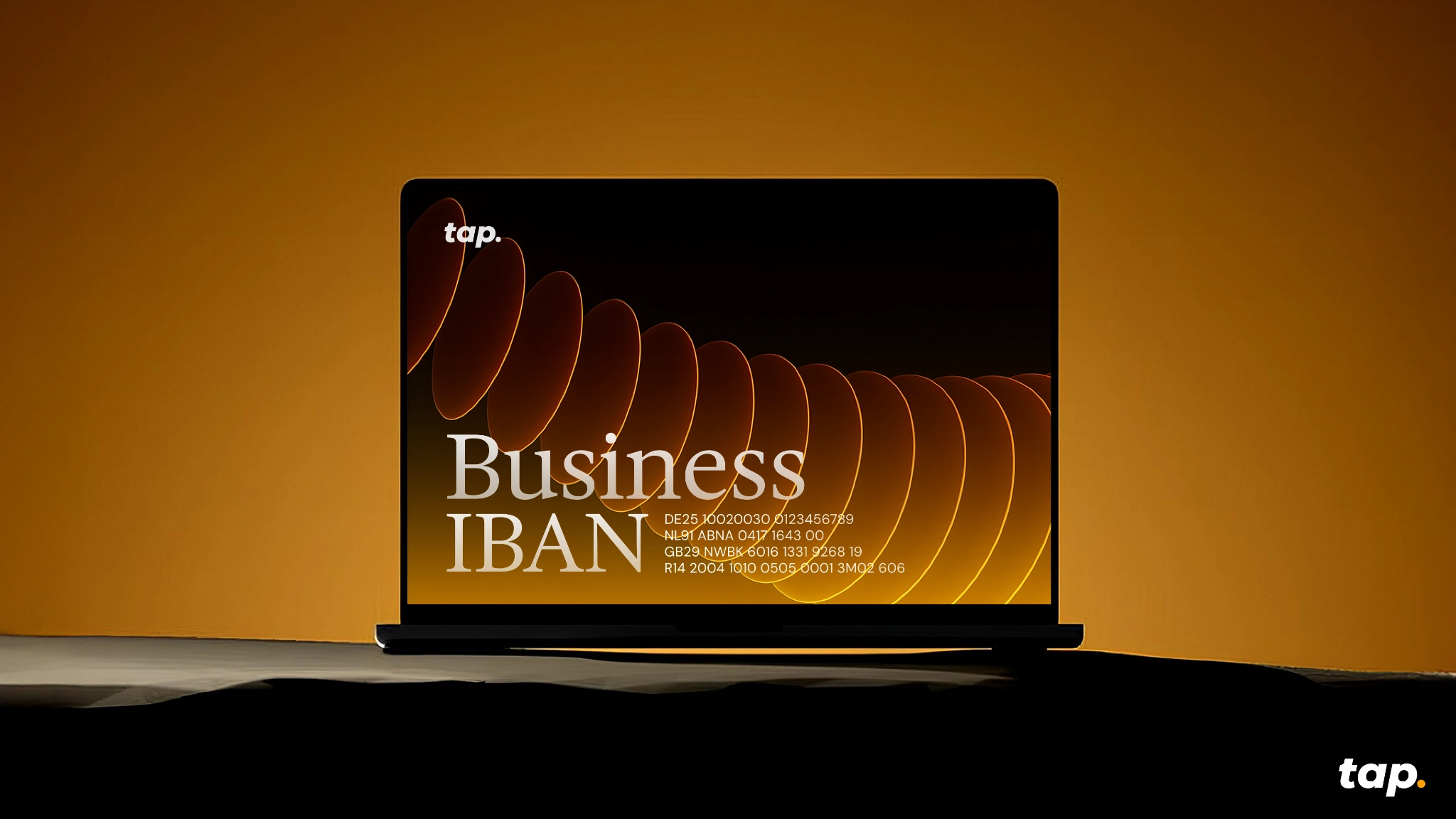
Gestionar pagos internacionales sigue siendo uno de los mayores retos operativos para las empresas en expansión. Aunque la transformación digital ha alcanzado casi todos los aspectos del comercio, la banca internacional aún va rezagada, con sistemas separados para transacciones crypto y de moneda tradicional, lo que genera una complejidad innecesaria.
Tap resuelve este problema ofreciendo a cada empresa una cuenta multidivisa con un IBAN dedicado que actúa como puente entre estos dos mundos financieros. Para las empresas que gestionan tanto crypto como fiat, esto supone un único sistema unificado en lugar de múltiples cuentas y procesos de conversión. No es solo una cuestión de comodidad: tiene un impacto directo en tus resultados al reducir comisiones, acelerar liquidaciones y simplificar la conciliación.
Si gestionas pagos internacionales o estás considerando adoptar crypto, esto puede optimizar significativamente tus operaciones financieras. Esto es lo que necesitas saber.
¿Qué es un IBAN empresarial?
Un IBAN (International Bank Account Number) funciona como el pasaporte financiero de tu empresa: un identificador estandarizado reconocido en más de 78 países. A diferencia de los números de cuenta tradicionales, un IBAN empresarial sigue un formato estructurado que incluye códigos de país, identificadores bancarios y tu número de cuenta único.
Lo que diferencia el enfoque de Tap es la integración de este estándar bancario consolidado con funcionalidad crypto. En lugar de operar en universos financieros paralelos, tus transacciones (ya sean en euros, dólares o Bitcoin) fluyen a través de un único canal identificable.
Para los equipos financieros, esto significa el fin de los dolores de cabeza de la conciliación. Para clientes y partners, supone un único destino de pago coherente, independientemente de la moneda que prefieran.
Cómo funcionan los IBAN empresariales
La mecánica detrás de las transacciones empresariales modernas
Un IBAN empresarial actúa como las coordenadas digitales de la ubicación financiera de tu empresa dentro del ecosistema bancario global. Cuando se implementa correctamente, crea una vía sin fricciones para que el dinero entre y salga de tu negocio, independientemente del tipo de moneda o del país de origen.
Envío y recepción de pagos
Al recibir pagos, tu IBAN empresarial funciona como un identificador universal compatible con distintos sistemas de pago. Los clientes solo tienen que introducir tu IBAN (y en algunos casos el código BIC) en su plataforma bancaria, eliminando la confusión de los diferentes formatos de cuenta entre países.
Para los pagos salientes, el proceso es inverso. Proporcionas el IBAN del destinatario, indicas el importe y la plataforma de Tap gestiona la complejidad del enrutamiento en segundo plano. Esta estandarización evita errores habituales que provocan retrasos o comisiones por pagos rechazados.
Lo que diferencia el sistema de Tap de la banca tradicional es la capa de integración que trabaja tanto con crypto como con monedas tradicionales. Si un cliente paga en Bitcoin, por ejemplo, puedes elegir recibirlo como criptomoneda o convertirlo automáticamente a tu moneda fiat preferida antes de que llegue a tu cuenta.
Redes bancarias, sin complicaciones
Los IBAN empresariales interactúan con varias redes de pago clave:
SEPA (Single Euro Payments Area): cubre 36 países europeos y procesa transferencias en euros normalmente en un día laborable, con costes fijos bajos. Tu IBAN empresarial enruta automáticamente los pagos en euros a través de esta red sin necesidad de configuraciones adicionales.
SWIFT (Society for Worldwide Interbank Financial Telecommunication): la columna vertebral de la banca internacional, que conecta a más de 11.000 instituciones financieras en todo el mundo.
Ejemplo de transacción en el mundo real
Imagina un e-commerce con sede en Reino Unido que recibe un pago de un cliente alemán:
- El cliente inicia un pago de 5.000 € al IBAN empresarial del comercio.
- La transacción entra en la red SEPA y llega a la cuenta de Tap del comercio en cuestión de horas.
- El comercio puede mantener los fondos en euros o convertirlos a GBP cuando lo desee.
- Si decide convertirlos, Tap ejecuta el cambio a precios de mercado con un spread mínimo.
- Los fondos quedan disponibles para operaciones del negocio, pagos a proveedores o retiradas.
Este mismo proceso, que antes requería múltiples cuentas, relaciones bancarias y días de gestión, ahora se realiza automáticamente a través de un único IBAN empresarial. Para empresas que gestionan decenas o cientos de transacciones mensuales, las mejoras en eficiencia y el ahorro de costes se multiplican rápidamente.
La capacidad de gestionar estos flujos financieros complejos desde un sistema unificado representa el valor central de los IBAN empresariales modernos: simplicidad en la superficie, enrutamiento sofisticado por debajo.
Ventajas transfronterizas que impactan en tus resultados
Los beneficios prácticos de un IBAN empresarial se hacen evidentes de inmediato en las operaciones internacionales:
- Menor tasa de rechazos: los IBAN correctamente formateados prácticamente eliminan fallos por datos bancarios incorrectos.
- Liquidaciones más rápidas: enrutamiento directo a través de SEPA para transacciones europeas.
- Menores costes por transacción: menos intermediarios implica menos comisiones.
- Cumplimiento simplificado: trazabilidad clara para una gestión y reporte más sencillos.
Conectando crypto y finanzas tradicionales
El mercado crypto representa ya una oportunidad de 2 billones de dólares que muchas empresas no aprovechan por barreras técnicas y operativas. Una cuenta empresarial con Tap elimina estos obstáculos al ofrecer:
- Conversión fluida entre crypto y monedas fiat.
- Informes financieros consolidados para todos los tipos de moneda.
- Cumplimiento normativo integrado en la plataforma.
- Menor exposición a la volatilidad crypto gracias a opciones de conversión instantánea.
Para empresas que exploran la aceptación de crypto con cautela, este enfoque híbrido ofrece un punto de entrada de bajo riesgo sin grandes cambios de infraestructura.
Implementación sin interrupciones
Abrir una cuenta empresarial con Tap requiere cambios operativos mínimos:
- Completar el formulario de contacto para solicitar una llamada.
- Finalizar el proceso de alta y verificación de la empresa.
- Recibir tu cuenta única con IBAN.
- Actualizar los datos de pago con clientes y proveedores.
- Integrar con tus sistemas contables actuales.
Todo el proceso suele completarse en menos de 48 horas, con el equipo de Tap encargándose de la parte técnica.
¿Es una cuenta empresarial de Tap adecuada para tu estrategia de crecimiento?
Puede ser una buena opción si tu empresa:
- Opera en varios países o monedas.
- Necesita reducir costes de procesamiento de pagos.
- Quiere aceptar pagos crypto sin complicaciones.
- Busca optimizar y simplificar sus operaciones financieras.
A medida que los sistemas de pago siguen evolucionando, las empresas que adoptan soluciones flexibles y preparadas para el futuro obtienen una ventaja competitiva clara en experiencia de cliente y eficiencia operativa.
Descubre cómo una cuenta bancaria empresarial compatible con crypto y con IBAN integrado puede optimizar tus operaciones. Habla con un account manager dedicado de Tap para analizar el ahorro potencial según tus patrones de transacción.
El mundo empresarial no va a esperar a que los sistemas de pago obsoletos se pongan al día. La cuestión no es si necesitas soluciones de pago más eficientes, sino con qué rapidez puedes implementarlas.
Hagamos que tus pagos internacionales sean sencillos. Agenda una conversación con nuestro equipo de expertos y descubre cómo Tap puede impulsar tu negocio.

De oro cómico a pueblo fantasma digital
Las memecoins fueron durante un tiempo el corazón palpitante de la especulación minorista en los mercados de criptomonedas. Desde los rallies de Dogecoin impulsados por Elon Musk hasta el ascenso meteórico de tokens como Shiba Inu o Pepe, estos activos digitales nacidos de internet convirtieron bromas online en capitalizaciones de mercado considerables… al menos para quienes supieron entrar y salir en el momento justo.
Pero al llegar a finales de 2025, el panorama ha cambiado de forma drástica. Los precios han sufrido caídas significativas, la liquidez se ha reducido de manera notable y la euforia que definía ciclos anteriores parece ahora un recuerdo lejano.
La gran pregunta para la comunidad cripto es si las memecoins son simplemente una moda del último mercado alcista o si todavía guardan potencial para un regreso inesperado, como tantas tendencias virales antes que ellas.
Cuando el caos se convirtió en moneda: el origen de las memecoins
El nacimiento de las memecoins está íntimamente ligado a la cultura de internet y a las dinámicas de las redes sociales. A diferencia de Bitcoin o Ethereum, que surgieron a partir de documentos técnicos y visiones claras sobre sistemas financieros descentralizados, las memecoins comenzaron como humor digital, sostenido por comunidades activas, contenido viral y entusiasmo colectivo.
Dogecoin, considerada la memecoin original, se lanzó en 2013 como una parodia explícita de la especulación en criptomonedas. A pesar de su origen irónico, llegó a alcanzar una capitalización de mercado de varios miles de millones de dólares gracias al apoyo de su comunidad y a menciones de alto perfil, como las de Elon Musk. Ese éxito creó un modelo que muchos otros proyectos intentaron imitar, a menudo prometiendo beneficios rápidos sin una base sólida detrás.
Durante los ciclos de mercado de 2021 y 2024, las memecoins dejaron de ser simples activos digitales para convertirse en fenómenos culturales. Las redes sociales amplificaron el hype de forma exponencial y la participación minorista fue masiva. Sin embargo, como ocurre con la mayoría de movimientos puramente especulativos, tras la euforia llegó la corrección.
La gran corrección de las memecoins en 2025
Desde los máximos especulativos de finales de 2024, el sector de las memecoins ha estado sometido a una presión bajista constante. Capitalizaciones que antes alcanzaban decenas de miles de millones de dólares se han reducido entre un 60% y un 90% en conjunto. Según datos de CoinMarketCap, la capitalización total del mercado de memecoins cayó de más de 120.000 millones de dólares en diciembre de 2024 a menos de 70.000 millones en el momento de redactar este artículo, con muchos tokens enfrentándose además a problemas de liquidez.
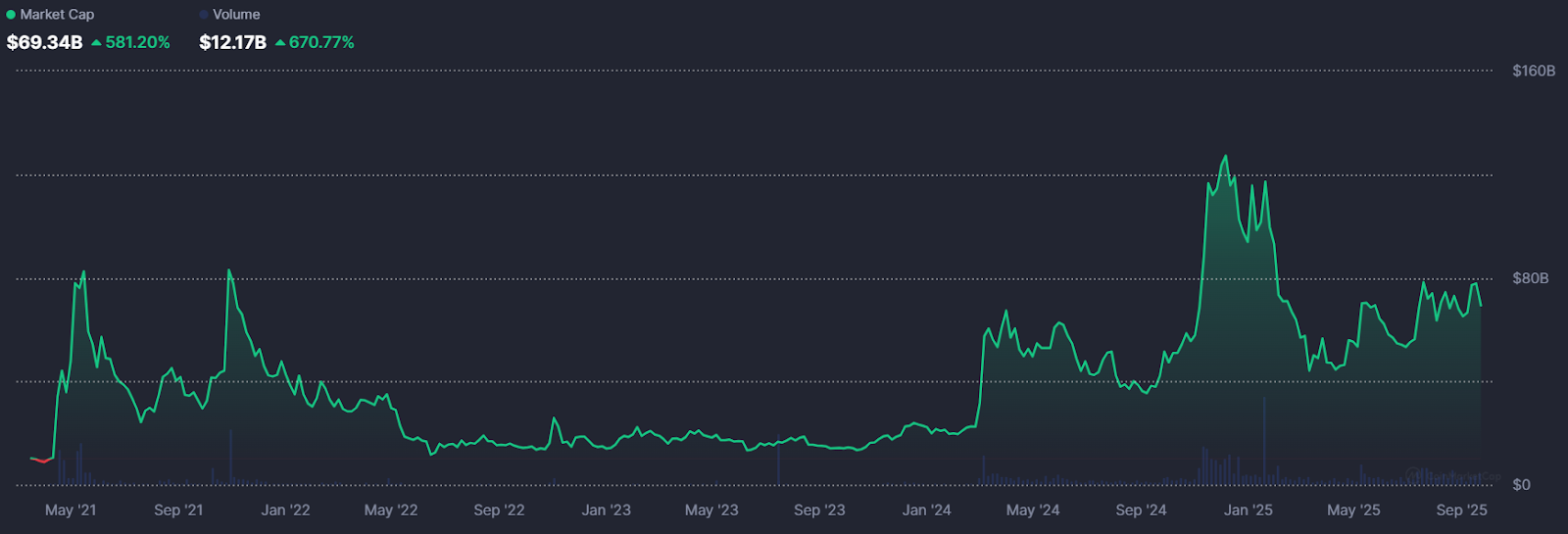
Esta corrección ha puesto de manifiesto el principal reto del sector: sin una base tecnológica fuerte ni casos de uso claros, las memecoins dependen casi por completo de la atención viral y de flujos constantes de liquidez. Cuando estos factores desaparecen, el precio suele seguir el mismo camino.
Muchos participantes minoristas que entraron cerca de los máximos ahora mantienen activos que quizá no recuperen sus valoraciones anteriores, mientras que el entusiasmo colectivo que impulsaba subidas exponenciales se ha diluido en gran medida.
Ya no hacía tanta gracia: por qué la mayoría de los memes no sobreviven
Uno de los factores clave de la inestabilidad de las memecoins es lo que algunos analistas describen como el fenómeno de la “avenida flash”. El hype en cripto rara vez se desarrolla de forma gradual: suele explotar con rapidez e intensidad, desbordando la dinámica normal del mercado. Pero esa atención también se desvanece con la misma velocidad.
Este comportamiento genera un patrón bastante repetido:
- Lanzamiento viral con subidas impulsadas por la comunidad
- Movimiento explosivo del precio que atrae nuevos compradores
- Fatiga de atención cuando el foco se desplaza a otro proyecto
- Colapso del mercado en semanas o meses
Algunos memes nunca pasan de moda: qué separa a los ganadores de los perdedores
¿Qué diferencia a supervivientes como Dogecoin o Shiba Inu —que siguen siendo reconocidos— de los miles de tokens olvidados? Los analistas hablan de una “brecha de autoridad”: la distancia entre la atención viral momentánea y la credibilidad sostenida en el mercado.
Las memecoins que perduran suelen lograr relevancia cultural o algún tipo de utilidad que va más allá del hype inicial. Dogecoin se ha mantenido como un icono de la cultura de internet, con una comunidad fiel y presencia constante en el imaginario popular. Shiba Inu, por su parte, amplió su ecosistema con staking y aplicaciones descentralizadas, acercándose más a un proyecto cripto con funcionalidades definidas.
Sin estos elementos, incluso los lanzamientos más virales tienden a caer en el olvido. El meme por sí solo ya no parece suficiente para sostener un proyecto a largo plazo; es necesario construir narrativas que sigan teniendo sentido cuando se apaga la especulación.
¿Puede caer un rayo dos veces?
A pesar del pesimismo actual, no todo el mundo cree que las memecoins hayan llegado a su final definitivo. Algunos observadores del mercado, como Darkfost, señalan que la dominancia de las memecoins dentro del mercado de altcoins se acerca a niveles que históricamente han precedido a giros de tendencia.
El ratio de dominancia de memecoins —que compara su capitalización con la del resto de criptomonedas alternativas— se mueve cerca de zonas técnicas que en el pasado marcaron puntos de inflexión. Si el capital especulativo vuelve a buscar activos de alto riesgo, algo habitual en mercados alcistas impulsados por liquidez, las memecoins podrían vivir otro episodio de crecimiento explosivo.
La lógica es sencilla: el capital especulativo suele buscar volatilidad, y pocos segmentos ofrecen tanta como las memecoins.
Los riesgos de Memeland: nada ha cambiado
Incluso contemplando un posible rebote, las memecoins siguen siendo uno de los activos con mayor riesgo dentro del ecosistema cripto. A diferencia de Bitcoin, con su narrativa de escasez, o Ethereum, que sustenta un amplio ecosistema de aplicaciones descentralizadas, la mayoría de las memecoins carecen de una propuesta de valor intrínseca. Su precio depende casi exclusivamente del relato y del sentimiento del mercado.
Esto hace que el factor tiempo sea crítico. Los movimientos suelen ser rápidos y las subidas exponenciales pueden revertirse sin previo aviso. La falta de fundamentos sólidos implica que la volatilidad extrema forma parte de su naturaleza.
¿Telón final o solo un descanso?
¿Ha terminado realmente la era de las memecoins? La respuesta no es sencilla. Si se observan los miles de proyectos fallidos, el sector parece un auténtico cementerio digital. Muchos nunca se diseñaron para durar, y su desaparición es una consecuencia lógica del exceso especulativo.
Sin embargo, la historia sugiere prudencia antes de dar por muertas a las memecoins. Su carácter cíclico, impulsado por la cultura de internet y la dinámica especulativa, hace que puedan reaparecer cuando cambian las condiciones de liquidez y apetito por el riesgo. Ya sea a través de nuevos memes o de estrategias emergentes, futuros ciclos podrían traer sorpresas.
La conclusión es clara: las memecoins no son activos financieros tradicionales. Son instrumentos altamente especulativos, capaces de generar tanto subidas espectaculares como caídas abruptas. El chiste puede que no haya terminado… pero cualquiera que siga dentro debería estar preparado para el remate final.


