Aprender, de forma sencilla
Explora nuestros recursos, guías y artículos sobre todo lo relacionado con el dinero. Gana confianza financiera con contenidos seleccionados por nuestros expertos, tanto si estás empezando como si ya tienes experiencia.
Últimos artículos
.webp)
A menos que hayas estado viviendo debajo de una piedra, seguramente ya has oído hablar de ChatGPT… este asistente de IA todopoderoso, amante de las rayas largas, que parece aparecer en todas las conversaciones sobre productividad y tecnología.
Está en todas partes y, sinceramente, cumple con las expectativas.
Piénsalo como un amigo muy listo y bastante hablador al que puedes recurrir en cualquier momento: para pulir un email, investigar o resolver dudas de programación a altas horas de la noche.
Pero hay algo que muchos recién llegados no captan al principio: no todos los planes de ChatGPT son iguales. Las diferencias entre la versión gratuita y los niveles de pago pueden ser enormes, desde un asistente útil pero a veces saturado, hasta una versión premium siempre lista para profundizar en tus tareas. Con varios planes, costes variables y actualizaciones constantes, no siempre está claro qué versión ofrece más valor para cada necesidad.
Tanto si estás cuidando el presupuesto como si quieres subir de nivel tu productividad, saber qué plan encaja contigo te ayudará a elegir mejor. Vamos al lío.
Explicación de los planes de precios de ChatGPT
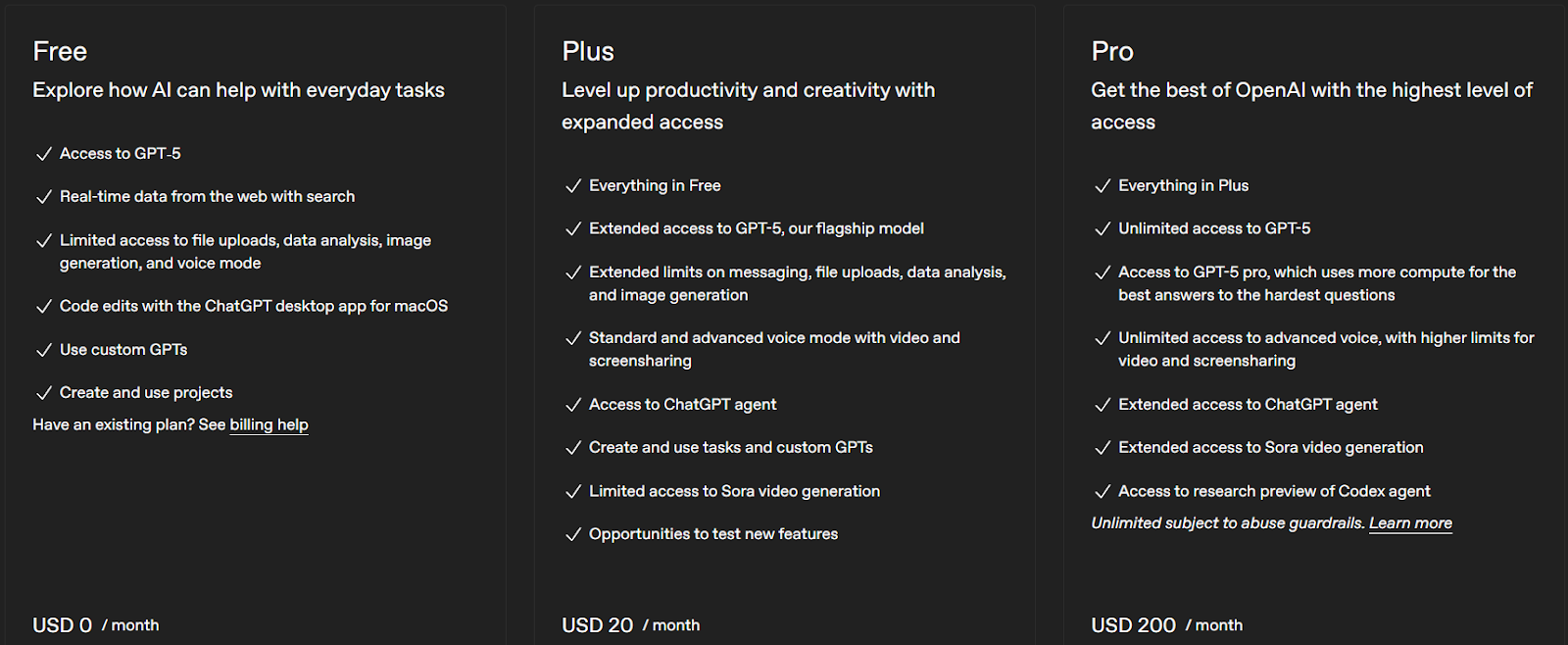
- Plan gratuito de ChatGPT
Acceso a GPT-5 (modo fast/reasoning automático) con rendimiento estándar.
Funciones: modo voz, subida de archivos, generación de imágenes, navegación web, análisis básico.
Ideal para: usuarios nuevos que quieren explorar ChatGPT sin compromiso. Ofrece una funcionalidad sólida para uso casual, aunque el acceso y la velocidad pueden limitarse en horas de alta demanda. - ChatGPT Plus (20 $/mes)
Acceso prioritario a GPT-5 con respuestas más rápidas.
Modo voz avanzado, acceso anticipado a funciones, GPT-4o, GPTs personalizados.
Ideal para: personas como freelancers o estudiantes que necesitan rendimiento fiable y funciones mejoradas. - ChatGPT Pro (200 $/mes)
Acceso ilimitado a GPT-5 en modo “Pro”, con razonamiento más profundo y complejo.
Potencia de cómputo premium y rendimiento de nivel “research”.
Ideal para: usuarios avanzados; investigadores, ingenieros y profesionales que requieren razonamiento de alto nivel y acceso sin interrupciones.
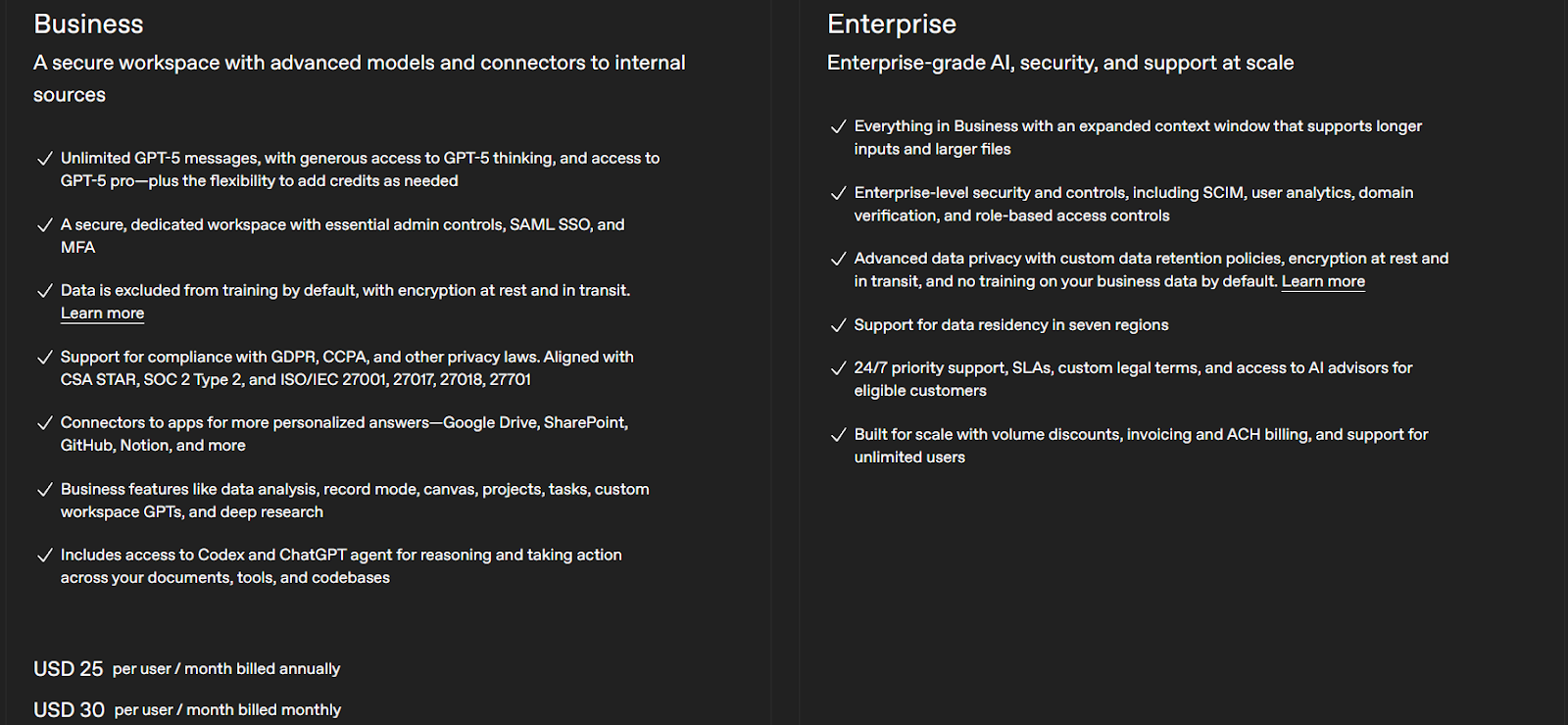
- ChatGPT Team (25–30 $ por usuario/mes)
Todas las funciones de Plus, más herramientas orientadas a equipos.
Espacio de trabajo colaborativo, controles de administración, privacidad (OpenAI no entrenará con tus datos), GPTs compartidos.
Ideal para: equipos pequeños o startups que valoran la colaboración con mayor seguridad. - ChatGPT Enterprise (precio personalizado)
Seguridad avanzada, privacidad de nivel empresarial, integraciones (por ejemplo, Google Drive, SharePoint) y soporte dedicado.
Ideal para: grandes organizaciones que integran IA en su infraestructura principal con controles completos de administración y cumplimiento.
¿Qué plan de ChatGPT es el adecuado para ti?
- Estudiantes: empieza con el plan gratuito; sube a Plus si el uso en horas punta se vuelve un problema.
- Freelancers / profesionales: Plus es tu kit de herramientas profesional; es fiable, rápido y suele merecer cada euro/dólar.
- Desarrolladores / perfiles técnicos: Plus cubre tareas ligeras; Pro encaja mejor para programación intensa o tareas complejas con datos.
- Equipos pequeños / startups: el plan Team añade colaboración y privacidad; es clave para proyectos compartidos.
- Grandes empresas: Enterprise convierte la IA en un pilar del flujo de trabajo.
Costes ocultos y limitaciones que debes conocer
- Uso de API: si usas las APIs de ChatGPT, pagarás extra por token. Por ejemplo, los tokens de entrada de GPT-4o mini cuestan bastante menos que los modelos “full”.
- Límites de mensajes y throttling: los planes de pago tienen uso generoso, pero no infinito. Pro soporta cargas mayores; el plan gratuito puede ser restrictivo.
Lanzamiento de funciones: algunas funciones llegan primero a planes superiores. Los usuarios gratuitos pueden recibirlas después, como si estuvieras en pista general mientras los de Plus entran con pase VIP. - Límites de almacenamiento: el tamaño y la frecuencia de archivos subidos pueden estar limitados, según el plan.
Consejos para ahorrar costes
- Facturación anual: revisa si hay descuentos por pago anual, especialmente en Team. Son habituales ahorros del 15–20%.
- Controla el uso: vigila cuántos mensajes o subidas consumes. Algunos planes no muestran estos datos con claridad.
- Ahorro por paquetes: si tu organización cumple requisitos, pregunta por descuentos para ONG. A veces OpenAI ofrece un 20–50% de descuento en Business o Enterprise.
Alternativas a ChatGPT: ¿hay una opción mejor?
- Claude AI (Anthropic): muy bueno en razonamiento profundo y en manejar contextos más largos.
- Perplexity AI: destaca en búsqueda web, con respuestas acompañadas de fuentes citadas.
- DeepSeek: coste más bajo y rendimiento decente para quienes priorizan presupuesto.
- Google Gemini: encaja especialmente bien si ya usas a fondo el ecosistema de Google.
Cada plataforma tiene sus puntos fuertes. ChatGPT sigue siendo muy versátil, pero según tus necesidades, alguna alternativa podría rendir mejor.
Reflexión final: ¿merece la pena pagar por ChatGPT en 2025?
El valor depende de tu uso. El plan gratuito es sorprendentemente capaz para uso casual. Para la mayoría de profesionales, los 20 $ de Plus se amortizan rápido. Para equipos y empresas, Team o Enterprise consolidan productividad, cumplimiento y privacidad en un solo paquete.
Lo bueno es que no estás atado a una única opción para siempre. Prueba las versiones gratuitas de ChatGPT, Claude o Perplexity, y sube de nivel cuando el encaje entre funciones y flujo de trabajo sea el correcto. Pruébalas todas. Haz locuras con esos chats.
Todavía estamos descifrando este “conundrum” de la IA, pero una cosa está clara: estas herramientas se están volviendo tan esenciales como el email o Google Drive. La cuestión no es si vas a usar IA, sino si vas a encontrar la forma de hacerla encajar con tus necesidades actuales… sabiendo que siempre podrás subir de nivel más adelante.

¿Alguna vez has enviado una factura y has pasado la semana siguiente persiguiendo el pago? O peor aún… ¿has perdido crypto al enviarla a la dirección equivocada? Si es así, no estás solo. Y precisamente eso es lo que Request viene a solucionar.
Los sistemas tradicionales, en su mayoría, siguen dependiendo de una combinación incómoda de intermediarios, entrada manual de datos y software de contabilidad propio de otra época. A todo esto se suma el factor humano: el error siempre está presente. Request (REQ) busca eliminar estas ineficiencias ofreciendo una solución basada en blockchain para crear, rastrear y liquidar pagos.
Tanto si estás dando tus primeros pasos en crypto como si ya te mueves con soltura en las profundidades de las finanzas Web3, Request destaca por varios motivos. Vamos a verlo.
Cómo funciona realmente Request
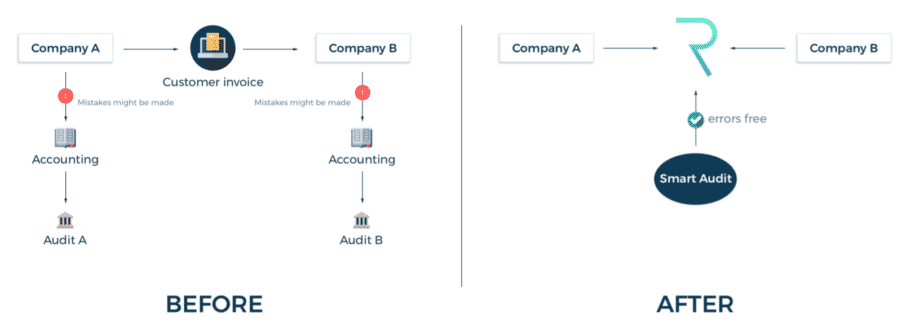
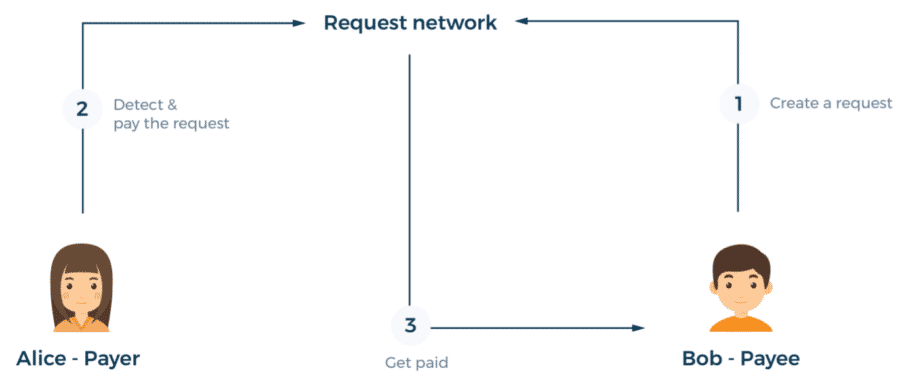
En esencia, Request Network permite emitir una solicitud de pago segura e inmutable mediante tecnología blockchain. Piénsalo así: en lugar de enviar fondos manualmente a una dirección de wallet (con el riesgo real de que un solo carácter mal escrito envíe tu dinero al vacío digital), el beneficiario genera una factura a través de un smart contract. El pagador la aprueba con una sola transacción. Simple, limpio y mucho menos propenso a errores costosos.
Este modelo reduce errores habituales en los pagos, mejora el registro contable para todas las partes y crea lo que en finanzas se conoce como una “fuente única de verdad”. Como todos los datos del pago viven on-chain, los historiales financieros pueden verificarse de forma independiente sin necesidad de confiar en procesadores de pago externos ni de lidiar con registros contradictorios.
Y sí, el trabajo de tu contable se vuelve muchísimo más sencillo. Solicitudes de pago, importes, fechas de vencimiento, información fiscal y trazabilidad completa de auditoría pueden convivir dentro del mismo sistema basado en blockchain.
Por qué las empresas están construyendo sobre Request
Request se ha convertido en una especie de héroe silencioso dentro de la infraestructura Web3. Muchas organizaciones blockchain (desde protocolos DeFi hasta estudios de gaming) lo han adoptado porque resuelve problemas para los que los sistemas de pago tradicionales nunca fueron diseñados.
Esto es lo que lo hace especial:
- Trazabilidad fiable para auditorías. Cada solicitud queda sellada con marca de tiempo, es inmutable y verificable de forma independiente. El sueño de cualquier contable.
- Capacidades de compliance integradas. La arquitectura de Request facilita informes fiscales detallados y flujos regulatorios, algo mucho más importante de lo que parece.
- Opciones de integración sencillas. Las empresas pueden conectar Request con plataformas existentes como WooCommerce mediante herramientas como WooReq, o utilizar Request Finance para necesidades más avanzadas.
- Escalabilidad real. La red gestiona pagos recurrentes, transacciones en lote y actividad multi-chain en más de 25 blockchains distintas sin esfuerzo.
Esta combinación de automatización, transparencia y flexibilidad ha convertido a Request en una herramienta valiosa para equipos de cualquier tamaño.
Entendiendo el token REQ
Aunque Request Network se centra en simplificar la infraestructura de pagos, el token REQ actúa como el motor operativo que mantiene todo en funcionamiento. En lugar de utilizarse como moneda principal de pago (no es para comprar un café), opera entre bastidores impulsando las distintas funciones de la red.
Cada vez que alguien crea o procesa una solicitud de pago, las comisiones de red se pagan en REQ. Estas comisiones se convierten automáticamente en la moneda necesaria de la blockchain correspondiente (por ejemplo, ETH para pagar gas fees en la red Ethereum), lo que permite que Request funcione sin fricciones en múltiples ecosistemas blockchain. Es importante destacar que una parte del REQ utilizado se quema (es decir, se elimina permanentemente de la circulación), creando una presión deflacionaria natural con el tiempo.
REQ también desempeña un papel relevante en la gobernanza de la red. Los holders del token pueden participar en decisiones sobre actualizaciones del protocolo y prioridades de desarrollo, asegurando que la evolución del proyecto se base en el consenso de la comunidad y no en decisiones centralizadas. Además, pequeñas micro-comisiones en REQ ayudan a prevenir spam y actividades maliciosas, haciendo que el abuso del sistema resulte económicamente inviable.
El diseño económico del token está orientado a la sostenibilidad a largo plazo. Con un suministro total limitado a 1.000 millones de tokens y una distribución relativamente descentralizada, el ecosistema evita muchos de los riesgos de concentración que afectan a otros proyectos, reduciendo la probabilidad de grandes ventas repentinas y favoreciendo un mercado más estable.
Por qué Request importa dentro del ecosistema crypto
A medida que la tecnología blockchain y el sector crypto maduran, proyectos de infraestructura como Request se vuelven cada vez más esenciales para la utilidad real del ecosistema. No buscan reinventar el dinero, sino hacer que los procesos financieros sean objetivamente más inteligentes.
¿Quién se beneficia de Request?
- Grandes organizaciones DeFi como Aave, Fantom y Maker utilizan Request para gestionar contabilidad compleja con múltiples tokens.
- Empresas tradicionales lo adoptan para simplificar la gestión fiscal y el cumplimiento normativo, especialmente aquellas que operan en varias jurisdicciones.
- Desarrolladores usan la API de Request para automatizar desde nóminas hasta facturación recurrente, eliminando procesos manuales.
- Proyectos Web3 aprovechan Request Finance para gestionar pagos en decenas de activos digitales distintos al mismo tiempo, evitando conversiones y seguimientos manuales.
- La red también ha colaborado con Aleo para ofrecer soluciones de nómina confidenciales que mantienen el compliance sin comprometer la privacidad financiera de los empleados.
Además, Request ganó una gran visibilidad en 2021 cuando The Sandbox (una de las mayores plataformas de gaming NFT) eligió Request como su infraestructura de pagos. Esta colaboración no solo impulsó la actividad del token, sino que validó a Request como una herramienta con utilidad real.
Conclusión
Request muestra cómo puede ser la infraestructura financiera en la era Web3: transparente, automatizada y diseñada para una economía digital y rápida. Conecta la fiabilidad de blockchain con necesidades reales del mundo, demostrando que la descentralización sigue siendo tan relevante como siempre.
Dónde conseguir REQ
¿Te interesa lo que Request aporta? Puedes adquirir el token REQ en plataformas como Tap.

El mundo en el que vivimos evoluciona constantemente, encontrando nuevas formas de adoptar la tecnología y el impacto que puede tener en nuestro futuro. Desde los esfuerzos por llevar a un hombre a la luna hasta ver a multimillonarios viajando al espacio, hemos avanzado mucho desde lo que antes solo eran sueños.
Uno de los temas que lleva tiempo en la mente de muchas personas es nuestra integración en un mundo más compatible con la realidad virtual. Si has visto la película Ready Player One, sabrás a qué nos referimos. Aunque la realidad aumentada y la realidad virtual aún no son tan inclusivas como podrían ser, ofrecen una vía de escape de nuestra realidad a través de internet.
Comprar unas gafas de realidad virtual y visitar Japón sería mucho más barato que pagar vuelos, alojamiento y gastos de comida. Este coste único ha creado una nueva ilusión para muchos, y varias empresas están aprovechando esta demanda del mercado.
El metaverso explicado
Aunque el metaverso está estrechamente vinculado a Facebook —ahora Meta—, el término fue acuñado por primera vez en la novela Snow Crash (1992) del autor Neal Stephenson. La historia describe un futuro distópico en el que las personas pasan gran parte de su tiempo en un metaverso de realidad virtual. No es la primera vez que vemos iniciativas similares: plataformas de videojuegos como Epic Games ya han organizado conciertos virtuales, como el de Travis Scott.
También hemos visto cómo juegos como Second Life ganaron popularidad durante la pandemia, ofreciendo un espacio virtual relativamente seguro para la interacción social. Aunque estas plataformas se acercan al concepto, el metaverso aspira a ir mucho más allá.
“Meta” proviene del griego y significa “más allá”, mientras que “verso” se asocia con “universo”, dando lugar a la idea de un “más allá del universo”. El objetivo es crear un mundo virtual que permita acceder a todo tipo de experiencias: comprar, vender, jugar, interactuar socialmente y mucho más.
Qué podemos esperar
Aunque Meta no ha detallado completamente sus planes, hay algunos elementos clave que podemos anticipar:
- Realidad virtual: acceso a un universo digital mediante dispositivos compatibles con VR.
- Espacios de trabajo: oficinas virtuales, salas de reuniones y entornos colaborativos.
- Eventos: conciertos, conferencias y encuentros sociales virtuales.
- Juegos: experiencias inmersivas diseñadas específicamente para VR.
- Compras y comercio: adquisición de productos físicos y digitales, como ropa virtual o merchandising.
Esto es solo el comienzo, y el verdadero potencial del metaverso aún está por definirse.
Preguntas frecuentes sobre el metaverso
¿El metaverso es solo realidad virtual?
No necesariamente. Existen proyectos similares que no requieren gafas VR.
¿Necesitas Oculus para acceder al metaverso?
Aún no se han confirmado los dispositivos definitivos; se espera que haya varias opciones.
¿Roblox es un metaverso?
En esencia, sí: es un mundo virtual con interacción social, comercio y juegos.
¿Quién es el propietario del metaverso?
Nadie en concreto. Varias empresas están desarrollando sus propias versiones.
¿Decentraland es un metaverso?
Sí, es un mundo virtual con opciones de socialización, comercio y juego.
¿Por qué es positivo el metaverso?
Puede reducir costes, aumentar la accesibilidad, mejorar la conexión global y fomentar la innovación tecnológica.
Conclusión
El metaverso, ya sea el de Meta u otras compañías, representa una oportunidad emocionante. Ofrece nuevas formas de conectar, aprender, trabajar y disfrutar del ocio sin barreras geográficas. Aunque existen riesgos y desafíos, su potencial para generar experiencias positivas es enorme. A medida que más empresas entren en este espacio, el metaverso pasará de ser una idea futurista a una realidad cotidiana.

En el panorama de las criptomonedas, que evoluciona rápidamente, los inversores siempre buscan plataformas fiables que ofrezcan experiencias de trading fluidas y una amplia gama de funcionalidades. Entre la multitud de opciones disponibles, distinguir entre Tap y los exchanges de criptomonedas tradicionales puede resultar complicado. Aunque ambos facilitan la compraventa de criptomonedas, presentan diferencias notables en sus servicios y funcionalidades. En este artículo analizamos seis distinciones fundamentales que posicionan a Tap como una opción superior frente a los exchanges tradicionales.
Plataforma todo en uno
Una de las ventajas más significativas de Tap frente a los exchanges de criptomonedas tradicionales es su plataforma todo en uno. Tap no es únicamente un exchange de criptomonedas, sino una plataforma financiera integral que integra de forma fluida las criptomonedas con los servicios financieros tradicionales en dinero fiat. Los usuarios pueden mantener y cambiar distintas criptomonedas junto con divisas fiat en una sola cuenta. Esta característica única ofrece una comodidad inigualable, ya que permite gestionar finanzas e inversiones desde un único lugar. Por el contrario, los exchanges tradicionales suelen limitarse al trading de criptomonedas, obligando a los usuarios a transferir fondos entre distintas cuentas para operar con dinero fiat.
Interfaz fácil de usar
Tap destaca por su interfaz intuitiva, diseñada tanto para traders experimentados como para quienes se inician en el mundo cripto. El diseño claro de la plataforma facilita la navegación, el seguimiento de las tendencias del mercado y la ejecución eficiente de operaciones. Además, Tap ofrece datos de mercado en tiempo real, recursos educativos en su blog y análisis que ayudan a los usuarios a tomar decisiones informadas. En cambio, muchos exchanges tradicionales pueden resultar abrumadores, especialmente para principiantes, debido a interfaces complejas y un soporte educativo limitado.
Conversión instantánea de fiat a cripto
Otra característica destacada de Tap es la conversión instantánea de dinero fiat a criptomonedas. Los usuarios pueden convertir fácilmente su divisa fiat en una amplia gama de criptomonedas a tipos de cambio competitivos, sin necesidad de transacciones adicionales ni comisiones extra. Esta comodidad agiliza el proceso de trading y permite aprovechar oportunidades de mercado de forma inmediata. En comparación, los exchanges tradicionales suelen requerir depósitos previos, tiempos de espera para la aprobación y pasos adicionales antes de poder operar, lo que puede llevar horas o incluso días.
Amplia gama de criptomonedas
Tap ofrece una selección extensa de más de 40 criptomonedas, incluidas opciones populares como Bitcoin (BTC), Ethereum (ETH), Ripple (XRP) y muchas más. Con Tap, los usuarios tienen la flexibilidad de diversificar fácilmente su cartera cripto. Además, la plataforma incorpora de forma regular nuevas criptomonedas, asegurando el acceso a los activos digitales más recientes y prometedores. En contraste, algunos exchanges tradicionales cuentan con una oferta limitada de criptomonedas, lo que restringe las opciones de inversión de los usuarios.
Trading sin restricciones de pares
Una ventaja clave que diferencia a Tap de los exchanges tradicionales es su funcionalidad de trading sin restricciones de pares. Con Tap, los usuarios pueden intercambiar directamente cualquier criptoactivo por otro criptoactivo dentro de la plataforma. Esto elimina la necesidad de utilizar múltiples exchanges o de depender de pares de trading específicos. A diferencia de los exchanges tradicionales, que suelen imponer limitaciones en los pares disponibles, Tap ofrece una flexibilidad excepcional, permitiendo operar de forma rápida entre una amplia variedad de criptomonedas o divisas fiat.
Seguridad y regulación mejoradas
Tap establece un alto estándar en materia de seguridad y cumplimiento normativo. Como entidad financiera regulada, la plataforma sigue estrictas medidas de seguridad para proteger los fondos y los datos personales de los usuarios. Tap emplea protocolos avanzados de cifrado y autenticación de dos factores para evitar accesos no autorizados. Además, cumple con los requisitos regulatorios, garantizando un entorno de trading seguro y fiable. Por su parte, los exchanges tradicionales no siempre están sujetos al mismo nivel de supervisión regulatoria, lo que puede exponer a los usuarios a riesgos e incertidumbres en materia de seguridad.
En conclusión
Tap destaca como una opción superior frente a los exchanges de criptomonedas tradicionales gracias a su plataforma todo en uno, su interfaz fácil de usar, la conversión instantánea de fiat a cripto, su amplia oferta de criptomonedas y su alto nivel de seguridad y regulación. La integración fluida de criptomonedas con servicios financieros tradicionales en dinero fiat lo convierte en una solución integral para la gestión financiera y de inversiones. Con Tap, los usuarios pueden operar con criptomonedas de forma sencilla y con confianza, respaldados por una plataforma sólida y segura. Tanto si eres un inversor experimentado como si estás dando tus primeros pasos en el mundo de los activos digitales, Tap ofrece una solución atractiva y competitiva para tus necesidades financieras y de trading.

Aprovechando una amplia gama de estrategias de seguridad, fintechs y bancos emplean diversas medidas de protección para salvaguardar tu dinero ganado con esfuerzo. Sin embargo, como es de esperar, los estafadores buscan constantemente nuevas formas de explotar estas protecciones.
En este artículo, analizamos las tácticas que utilizan los delincuentes para intentar manipularte y que autorices transacciones con tarjeta dentro de la app de Tap. No se trata de operaciones habituales, sino de intentos cuidadosamente elaborados por personas malintencionadas que buscan aprovecharse de tus finanzas.
Esquemas de tarjetas robadas
La fase inicial de este engaño consiste en que un delincuente obtenga los datos de una tarjeta de crédito o débito. Esta información puede conseguirse a través de filtraciones de datos de organizaciones legítimas o mediante respuestas a mensajes o correos electrónicos fraudulentos, conocidos como phishing o smishing. Estos mensajes suelen hacerse pasar por empresas de confianza. En algunos casos, incluso pueden llegar a robar físicamente tu tarjeta.
Existen algunas medidas preventivas que puedes adoptar para proteger tus datos personales y financieros:
- Mantén un escepticismo saludable ante mensajes de texto o correos electrónicos que incluyan enlaces, especialmente si solicitan datos de pago o credenciales de acceso.
- En lugar de hacer clic directamente en enlaces de mensajes que parecen proceder de “empresas reputadas”, utiliza métodos alternativos. Busca la empresa en Google de forma independiente (sin usar el enlace del mensaje) para verificar su legitimidad. Investigar por tu cuenta puede protegerte eficazmente frente a posibles estafas.
Estafas de “cuenta segura”
Los estafadores son creativos a la hora de intentar engañarte. Un truco habitual es generar preocupación sobre la seguridad de tu cuenta bancaria. Pueden llamarte haciéndose pasar de forma muy convincente por un banco o fintech real, una técnica conocida como spoofing.
Durante la llamada, pueden pedirte que apruebes una transferencia con tarjeta, alegando que así moverás tu dinero a un “lugar seguro”. Para parecer más creíbles, incluso pueden decirte que cualquier pago que veas en la app no es real, sino una “prueba” de seguridad de tu cuenta.
Es fundamental recordar que las entidades financieras legítimas nunca te pedirán que muevas tu dinero ni que autorices pagos para “asegurar” tu cuenta. Estas ya cuentan con medidas de seguridad estrictas para proteger tus fondos.
Si recibes una llamada así, detente y reflexiona. Lo más recomendable es colgar y comprobar la situación por tu cuenta. El equipo de soporte y seguridad de Tap nunca te llamará por teléfono. Siempre es mejor tomarte un momento para estar seguro que arrepentirte por actuar con prisas.
Estafas suplantando reembolsos
Otra técnica para engañar a los usuarios y lograr que autoricen un pago con tarjeta a través de la app son las llamadas fraudulentas en las que el interlocutor se hace pasar por una tienda online. Imagina que recibes una llamada en la que te dicen que se ha realizado una compra no autorizada con tu tarjeta.
Tu reacción inmediata es negarlo, porque tú no has hecho esa compra.
Aquí llega el engaño: los estafadores insisten en que, para corregir el error y procesar el reembolso, debes confirmar el pago en tu app. Suena contradictorio, ¿verdad? ¡Porque lo es!
En estos casos, la aparente credibilidad de la estafa se basa en que el delincuente ya dispone de los datos de tu tarjeta: toda la información necesaria para iniciar un pago (como se explica en el apartado de “Esquemas de tarjetas robadas”).
Esa falsa sensación de seguridad hace que autorices la operación. Lamentablemente, al aprobar el pago en la aplicación, estás dando permiso para que el dinero se cargue en tu cuenta.
Cómo intentan los delincuentes eludir las medidas de seguridad
Los delincuentes buscan constantemente formas de esquivar las medidas de seguridad, especialmente las diseñadas para proteger los pagos online. Una de estas protecciones es 3D Secure, que refuerza la seguridad de las transacciones con tarjeta en internet.
3D Secure funciona solicitando al titular de la tarjeta que autentique determinadas operaciones a través de la app de Tap. Este proceso garantiza que quien realiza el pago es realmente el propietario legítimo de la tarjeta y no una persona no autorizada.
Sin embargo, los estafadores han ideado estrategias para sortear esta protección. Su método preferido es el contacto telefónico, intentando manipular a personas desprevenidas para que autoricen pagos en su nombre.
¿Qué medidas puedo tomar para protegerme?
Cuando las finanzas se unen a la tecnología, el mundo parece lleno de posibilidades… hasta que aparece una estafa. Detectar una estafa es tu primera línea de defensa. Si una persona desconocida te presiona para que apruebes un pago con tarjeta a través de tu app, activa tu escepticismo. Es una clara señal de alarma. En una situación así, no lo dudes: cuelga, rechaza la solicitud y contacta con el equipo de soporte de Tap para informar del incidente.
Reforzar tu seguridad financiera es más fácil que nunca gracias a las apps financieras. La app de Tap pone el control en tus manos. En la pestaña “Tarjetas” encontrarás la opción de congelar la tarjeta. Con solo pulsarla, tu tarjeta quedará bloqueada y se impedirán transacciones no autorizadas.
Del mismo modo que no dejarías entrar a un desconocido en tu casa, no aceptes pagos con tarjeta que no hayas solicitado. Esto puede exponerte a estafas y hacer que tu dinero desaparezca.
Si, a pesar de todo, te ves envuelto en una situación fraudulenta, no te desesperes. Nuestro equipo de atención al cliente está para ayudarte. Contacta de inmediato a través del chat en vivo de la app de Tap o por correo electrónico.
Por último, visita la sección de seguridad de nuestro blog, donde encontrarás más consejos para evitar estafas a lo largo de tu camino en las finanzas personales. Recuerda: mantente alerta, mantente seguro y sigue fortaleciendo tus conocimientos financieros.

Bitcoin y Ethereum dominan los titulares, pero representan solo una de las muchas formas posibles de construir tecnología de libro mayor distribuido. Mientras la mayoría de los proyectos se limitan a iterar sobre los fundamentos del blockchain, Hedera Hashgraph (HBAR) adopta un enfoque completamente distinto, basado en una arquitectura alternativa.
El resultado es una red diseñada para uso empresarial, capaz de procesar miles de transacciones por segundo con comisiones deterministas y un consumo energético mínimo. Allí donde muchas blockchains chocan con el conocido trilema de la escalabilidad, el mecanismo de consenso hashgraph de Hedera ofrece una alternativa sólida sin sacrificar seguridad a cambio de velocidad.
Lo que realmente diferencia a Hedera es su nivel de adopción empresarial. Grandes corporaciones de sectores como finanzas, salud y gestión de cadenas de suministro han pasado de pruebas piloto a implementaciones en producción. No se trata de adopción teórica, sino de actividad real en la red por parte de organizaciones con exigencias estrictas en rendimiento y cumplimiento normativo.
Hedera se ha posicionado como una de las tecnologías de libro mayor distribuido (DLT) más orientadas a empresas del mercado actual. Pero ¿cómo funciona exactamente y por qué se desmarca del resto del ecosistema blockchain?
Lo esencial: ¿qué es Hedera Hashgraph?
Lanzada en 2018, Hedera Hashgraph es una tecnología de libro mayor distribuido que ofrece una alternativa real a la arquitectura blockchain. En lugar de organizar las transacciones en bloques secuenciales, como si fuera un archivador digital, Hedera utiliza una estructura de grafo acíclico dirigido (DAG) conocida como hashgraph, más parecida a una red de conexiones interrelacionadas.
Este diseño permite procesar múltiples transacciones en paralelo, sin necesidad de esperar turnos. El resultado es una capacidad superior a las 10.000 transacciones por segundo (TPS), con finalización en pocos segundos, frente a las 6–8 TPS de Bitcoin o las 12–15 TPS de Ethereum.
En esencia, Hedera está diseñada para abordar tres problemas persistentes de las DLT:
- Velocidad real: las transacciones se confirman en segundos, no en minutos u horas.
- Escalabilidad sin compromisos: la red puede manejar miles de transacciones simultáneamente sin encarecerse ni ralentizarse.
- Eficiencia energética: el consumo es lo suficientemente bajo como para resultar viable a nivel corporativo.
Cómo funciona Hedera: gossip y votación virtual
El rendimiento de Hedera se basa en un mecanismo de consenso único que combina dos innovaciones clave.
En lugar de difundir cada transacción a toda la red al mismo tiempo, los nodos comparten información de forma aleatoria con otros nodos cercanos. Estos, a su vez, la transmiten a otros, creando un efecto en cadena. Este proceso se conoce como gossip-about-gossip.
La votación virtual añade una capa adicional de eficiencia. Una vez que todos los nodos comparten el mismo historial de información, pueden calcular de forma independiente cómo votaría la red sobre cada transacción, sin necesidad de enviar mensajes de votación reales. El resultado es matemáticamente determinista.
Gracias a este enfoque, Hedera alcanza tolerancia a fallos bizantinos asíncronos (aBFT), uno de los niveles de seguridad más altos en sistemas distribuidos, incluso si hasta un tercio de los nodos falla o actúa de forma maliciosa.
Gobernanza: el Consejo de Hedera
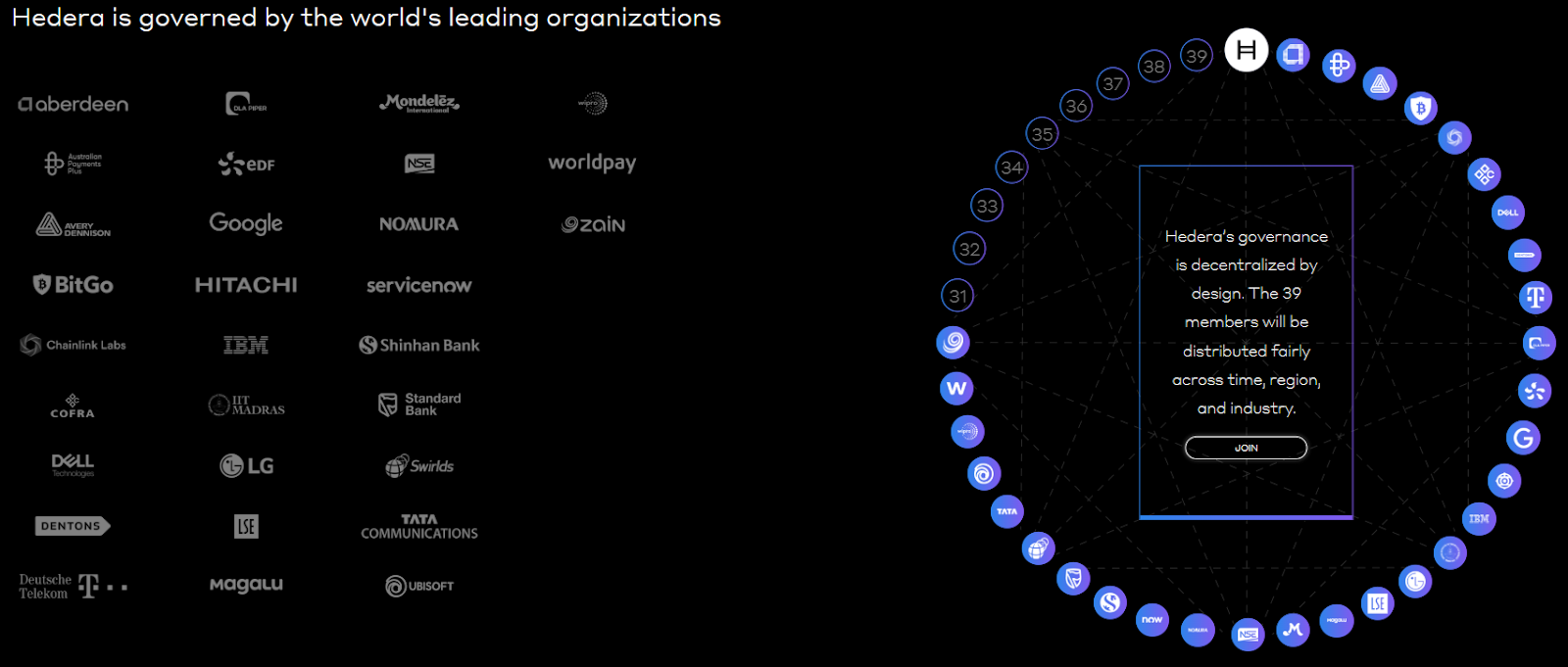
Uno de los aspectos más distintivos, y debatidos, de Hedera es su modelo de gobernanza. En lugar de depender de mineros anónimos o titulares de tokens, la red está gobernada por un consejo de hasta 39 organizaciones globales.
Entre los miembros se encuentran empresas como Google, IBM, Dell, Boeing, Standard Bank o Ubisoft. Cada miembro tiene un voto igual en decisiones clave, como actualizaciones del software, estructura de comisiones o gestión de la tesorería.
El objetivo es ofrecer estabilidad, responsabilidad y planificación a largo plazo. Sin embargo, este modelo genera debate. Para algunos, reduce la descentralización; para otros, proporciona la previsibilidad que muchas empresas necesitan para adoptar esta tecnología a gran escala.
Servicios clave de Hedera
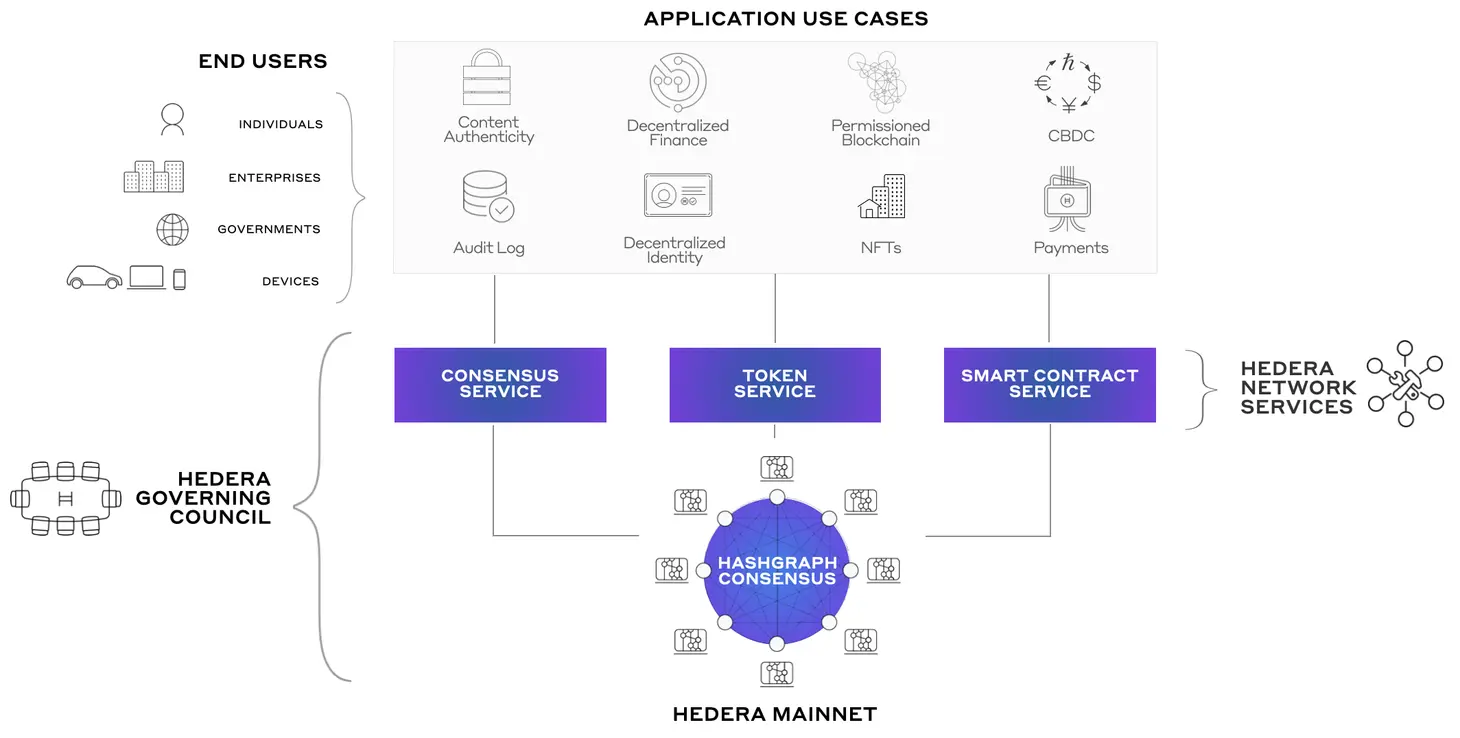
Hedera no es solo una red de pagos. Ofrece tres servicios principales:
Hedera Consensus Service (HCS)
Permite crear registros inmutables y verificables de eventos y datos, especialmente útiles para auditorías, trazabilidad y sectores altamente regulados.
Hedera Token Service (HTS)
Facilita la creación y gestión de tokens, incluidos stablecoins, NFTs y activos tokenizados, con controles integrados a nivel de cuenta y herramientas de cumplimiento normativo.
Hedera Smart Contract Service (HSCS)
Admite contratos inteligentes compatibles con Ethereum, permitiendo desarrollar aplicaciones DeFi, juegos y automatizaciones con mayor velocidad y comisiones significativamente más bajas.
Casos de uso reales
El enfoque empresarial de Hedera se refleja en aplicaciones prácticas en distintos sectores:
- Finanzas: Standard Bank utiliza Hedera para pagos transfronterizos más rápidos y transparentes.
- Cadena de suministro: empresas como Suku y Avery Dennison emplean la red para trazabilidad y logística.
- Salud: Safe Health Systems registra datos médicos y de ensayos clínicos de forma segura.
- Gaming: Animoca Brands integra Hedera para economías digitales verificables.
- Sostenibilidad: organizaciones ambientales usan HCS para rastrear créditos de carbono y datos de impacto.
HBAR: el token nativo
HBAR es la criptomoneda nativa de Hedera y cumple dos funciones principales:
- Combustible de la red: se utiliza para pagar comisiones y acceder a los servicios.
- Seguridad: los operadores de nodos utilizan HBAR para participar en el consenso.
Una de las ventajas más prácticas de Hedera es su estructura de costes. Una transacción típica cuesta alrededor de 0,0001 USD, lo que permite casos de uso como micropagos o pagos entre máquinas.
El suministro total de HBAR está limitado a 50.000 millones de tokens, con una distribución gradual diseñada para evitar impactos bruscos en el mercado.
Cómo se compara Hedera con otras redes
- Proof of Work (PoW): muy seguro, pero lento y con alto consumo energético.
- Proof of Stake (PoS): más eficiente, pero con riesgos de concentración.
- Hashgraph: combina velocidad, seguridad y eficiencia bajo un modelo de gobernanza corporativa.
La diferencia es clara: Hedera prioriza confianza empresarial, rendimiento y claridad regulatoria, aceptando críticas sobre su nivel de descentralización.
Los desafíos por delante
A pesar de sus fortalezas técnicas y su adopción a nivel empresarial, Hedera se enfrenta a varios retos que podrían influir en su evolución a largo plazo. El modelo del Consejo de Gobierno sigue generando debate sobre si Hedera representa una descentralización real o más bien una forma de control corporativo distribuido, una cuestión especialmente relevante para la aceptación dentro de la comunidad cripto en general.
Al mismo tiempo, redes consolidadas como Solana, Avalanche y Ethereum mantienen su dominio en el desarrollo de ecosistemas, lo que dificulta que Hedera atraiga comunidades de desarrolladores tan activas como las que impulsan la innovación en otros entornos.
La plataforma también se enfrenta a un reto de adopción más amplio. Aunque destaca claramente en casos de uso empresariales, Hedera podría ampliar su atractivo más allá de las aplicaciones corporativas para alcanzar un nivel de reconocimiento que sostenga el crecimiento a largo plazo. Además, como ocurre con cualquier proyecto de criptomonedas, debe adaptarse a marcos regulatorios en constante evolución en distintas jurisdicciones, cada una con sus propios requisitos y limitaciones.
Aun así, el enfoque de Hedera en el rendimiento, la fiabilidad de nivel empresarial y el cumplimiento normativo podría ofrecerle una mayor resiliencia en determinados contextos de mercado, especialmente allí donde otros proyectos tendrían dificultades para mantener la confianza institucional.
Un ETF de HBAR en el horizonte
En los últimos meses, ha cobrado fuerza la conversación en torno a un posible ETF de HBAR. Un ETF permitiría a inversores institucionales y minoristas obtener exposición a HBAR sin necesidad de gestionar wallets, claves privadas o custodia directa, lo que reduce significativamente las barreras de entrada.
Además, la aprobación por parte de la SEC de un ETF basado en Hedera implicaría un cierto nivel de supervisión, diligencia debida y cumplimiento normativo, factores que pueden ayudar a reducir la percepción de riesgo entre inversores más cautelosos o sujetos a regulación. Esto acercaría a HBAR al ámbito de los instrumentos financieros tradicionales.
Recientemente, la Comisión de Bolsa y Valores de Estados Unidos (SEC) aplazó la decisión sobre el ETF Canary HBAR hasta el 8 de noviembre. El ETF fue propuesto por Nasdaq en febrero y la SEC ya ha retrasado su decisión en dos ocasiones. A pesar de este último aplazamiento, algunos analistas del mercado siguen siendo optimistas. Analistas de Bloomberg, por ejemplo, mantienen una probabilidad del 90 % de aprobación del ETF en el corto plazo.
El futuro de Hedera
Hedera destaca en un sector saturado precisamente por adoptar un enfoque distinto al de la mayoría de proyectos blockchain. En lugar de seguir el guion habitual, ha construido una infraestructura pensada para empresas reales: transacciones rápidas, costes predecibles y un consumo energético que no genera fricciones a nivel financiero.
La verdadera prueba no es si Hedera puede seguir haciendo bien lo que ya hace, sino si logrará mantenerse relevante a medida que el ecosistema de los libros mayores distribuidos evoluciona a un ritmo acelerado. Mientras muchos intentaban convertirse en “el próximo Bitcoin”, Hedera ha desarrollado silenciosamente una solución que las empresas Fortune 500 están dispuestas a utilizar.
Que esta apuesta dé resultados a largo plazo es algo que solo el tiempo dirá. Lo que sí está claro es que Hedera ha demostrado que existen múltiples formas de construir un libro mayor distribuido y que, en ocasiones, el camino menos transitado puede llevar a destinos muy interesantes.