
Learning the friendly way
Dive into our resources, guides, and articles for all things money-related. Grow your financial confidence with our experts curated tips and articles for both experienced and new investors.
Latest posts

Lost crypto to a typo? Spent days chasing invoices? Request Network uses blockchain to get rid of errors, automate accounting, and turn payments into seamless transactions.
Have you ever sent an invoice and then spent the next week chasing your payment? Or worse… have you ever lost crypto by sending it to the wrong address!? If you have, well, you’re not the only one. And that’s exactly what Request has come to fix.
Traditional systems for the most part still rely on an awkward mix of middlemen, manual data entry, and accounting software that belongs in a different era. On top of all that, human error will always be a factor. Request (REQ) aims to cut through these inefficiencies by offering a blockchain solution for creating, tracking, and settling payments.
Whether you're just dipping your toes into crypto or you're already swimming in the deep end of Web3 finance, Request stands out for more than one reason. So, let’s dive in and find out!
How Request Actually Works (Without Jargon)
At its core, Request Network allows someone to issue a secure, immutable payment request through blockchain technology. Think of it this way: instead of manually sending funds to a wallet address (which carries the very real risk of one mistyped character sending your money into the digital void), the payee generates an invoice through a smart contract. The payer then approves it with a single transaction. Simple, clean, and significantly less prone to expensive mistakes.
This model reduces common payment errors, improves recordkeeping for everyone involved, and creates what financial people love to call "a single source of truth." Because all payment data lives on-chain, financial histories become independently verifiable without needing to trust third-party payment processors or wade through conflicting records.
It goes without saying, your accountant’s job gets significantly simpler. Payment requests, transaction amounts, due dates, tax information, and complete audit trails can all exist within the same blockchain-based system.
Why Businesses Are Building on Request
Request has become something of an unsung hero in the Web3 infrastructure world. Many blockchain organizations (from DeFi protocols to gaming studios) have adopted it because it addresses challenges that traditional payment systems simply weren't designed to handle.
Here’s what makes it special:
- Reliable audit trails. Every single request is timestamped, immutable, and independently verifiable, an accountant's dream, really.
- Built-in compliance capabilities. Request's architecture naturally supports detailed tax reporting and regulatory workflows, which matters considerably more than it sounds.
- Easy integration options. Businesses can connect Request to existing platforms like WooCommerce through tools such as WooReq, or leverage Request Finance for more sophisticated requirements.
- True scalability. The network handles recurring payments, batch transactions, and multi-chain activity across more than 25 different blockchains without breaking a sweat.
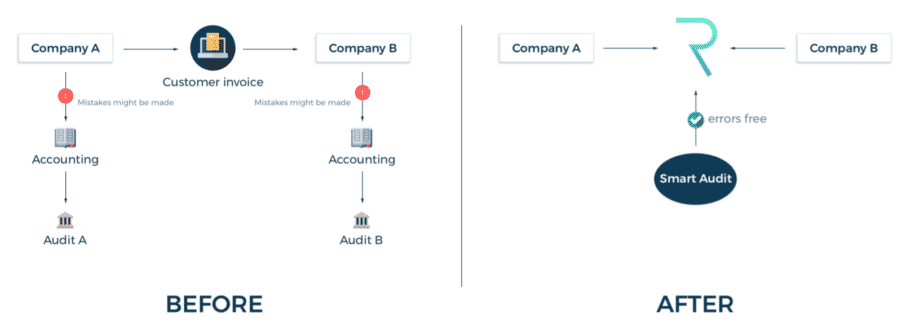
This combination of automation, transparency, and flexibility has made Request valuable for all sorts of teams, no matter the size.
Understanding the REQ Token
While Request Network focuses on simplifying payment infrastructure, the REQ token functions as the operational backbone that keeps everything running smoothly. Rather than serving as the primary transaction currency (i.e., using it to buy a delicious cup of coffee) it works behind the scenes to power the network's various operations.
Every time someone creates or processes a payment request, associated network fees are paid in REQ. These fees are then automatically converted into whichever blockchain currency is needed at that moment (such as ETH for Ethereum network gas fees), allowing Request to operate seamlessly across multiple blockchain ecosystems. Importantly, a portion of the REQ used in these transactions gets burned (or in layman terms, permanently removed from circulation) which creates a natural deflationary pressure over time.
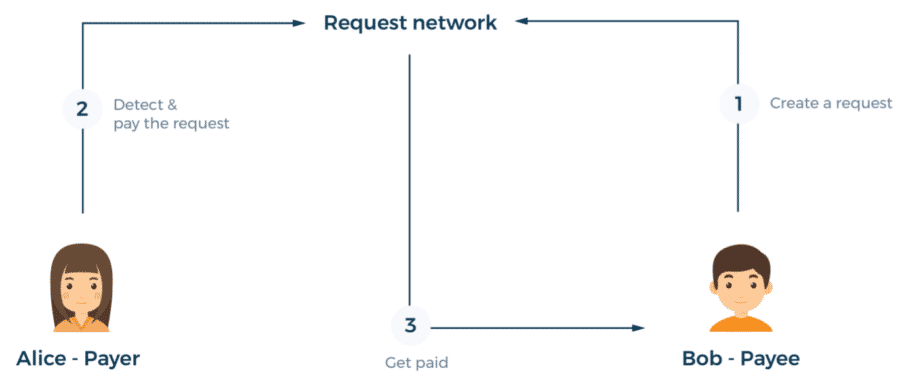
REQ also plays a meaningful role in network governance. Token holders can participate in decisions about protocol upgrades and development priorities. This ensures the network grows through community consensus rather than through centralized decision-making. Moreover, small REQ-based micro-fees help prevent spam and malicious activity by making excessive request creation economically impractical for bad actors.
The token's economic design emphasizes long-term sustainability. With a total supply capped at 1 billion tokens and a relatively decentralized distribution model, the ecosystem sidesteps many of the concentration risks that plague other projects. This structure reduces the likelihood of sudden large-scale token dumps and supports a more stable, resilient market over time.
Why Request Matters in the Crypto Ecosystem
As blockchain technology and the crypto industry as a whole continue to mature, infrastructure projects like Request are becoming increasingly critical to the ecosystem's practical utility. They're not trying to reinvent money itself; they're focused on making financial processes demonstrably smarter.
Who Benefits From Request?
- Major DeFi organizations including Aave, Fantom, and Maker use Request to manage complex multi-token accounting across their operations.
- Traditional enterprises have adopted Request for streamlined tax reporting and regulatory compliance, particularly those operating across multiple jurisdictions.
- Developers rely on Request's API to automate everything from routine payroll processing to recurring subscription billing, eliminating manual intervention.
- Web3 projects leverage Request Finance to manage payments in dozens of different digital assets simultaneously, avoiding the headache of manual conversion and tracking.
The network has also collaborated with Aleo for confidential payroll solutions that maintain compliance while protecting employee financial privacy.
Moreover, Request gained significant mainstream attention in 2021 when The Sandbox (one of the largest NFT gaming platforms) picked Request for its payment infrastructure. This partnership not only drove increased token activity but, more importantly, validated Request as a tool with genuine utility.
Bottom Line
Request shows us what financial infrastructure could be in the Web3 era. It’s transparent, automated, and built for a fast, digital economy. It bridges blockchain's reliability with real-world needs, proving that decentralization is as relevant as it has ever been.
Where to Get REQ
Are you excited about what Request brings to the table? You can get the REQ token directly on the Tap app and start exploring the future of digital payments and invoicing today.

Audius cuts out the middlemen to let artists own their music and earn directly from fans. Here's how this decentralized streaming platform works.
Audius is one of the most interesting projects in the Web3 space. A decentralized music streaming platform built to give power back to the artists. Instead of relying on record labels or centralized platforms, Audius connects creators directly with fans, letting them publish, share, and monetize their music on their own terms. It’s a platform where listeners stream music freely, while artists earn rewards in the platform’s native cryptocurrency, AUDIO.
Founded in 2018 by Roneil Rumburg and Forrest Browning, Audius has attracted millions of monthly users and hundreds of thousands of artists, including support from big names like Katy Perry, Nas, Steve Aoki, and Jason Derulo. Its mission is simple: remove middlemen and let artists truly own and profit from their work.
How Does Audius Work?
Under the hood, Audius runs on a decentralized network powered by content and discovery nodes. Content nodes host and secure music files on behalf of artists, while discovery nodes index them so fans can easily find tracks. This system replaces centralized servers with a distributed network, ensuring better censorship resistance and transparency.
Artists can upload music directly to Audius, choose how they want to share it (free or paid), and even unlock exclusive content for top fans. Unlike traditional streaming platforms that pay based on plays, Audius rewards artists for overall engagement, from trending tracks to verified uploads and fan interaction.
Originally built on the Ethereum blockchain, Audius later migrated its content system to Solana for faster, cheaper transactions while keeping AUDIO as an ERC-20 token. That hybrid setup combines Ethereum’s reliability with Solana’s scalability.
What Makes Audius Different?
Audius challenges the norms of the music industry by flipping the profit structure. In traditional streaming, artists might receive only about 12% of total revenue. On Audius, artists receive 90% of the rewards directly in AUDIO tokens, while the remaining 10% goes to node operators who help secure the network.
This approach creates a more transparent and equitable mode, one that empowers artists to connect directly with listeners, share exclusive releases, or run their own communities. The platform even partners with TikTok, allowing creators to link Audius tracks directly to TikTok videos, giving exposure across mainstream social media.
Because content is hosted through decentralized storage (via AudSP, an IPFS-based system), artists retain control over their music files. That makes the platform both censorship-resistant and artist-friendly, a rare combination in the streaming world.
The AUDIO Token
The AUDIO token is the backbone of the Audius ecosystem. It serves several roles:
- Staking and Network Security. Node operators stake AUDIO to run network infrastructure and earn rewards.
- Governance. Each AUDIO token grants one vote in protocol decisions, giving users a voice in how the platform evolves.
- Feature Access. Holding or staking AUDIO unlocks premium features, early access to new tools, and artist badges.
AUDIO has an initial supply of one billion tokens and is used for platform rewards, community incentives, and ongoing network security. Holders can also earn additional AUDIO through staking or by helping to grow the ecosystem.
Why Audius Matters
Audius is more than a music app; it’s a proof of concept for how blockchain can reshape creative industries. In short, it offers:
- Direct artist-to-fan connections without middlemen
- Transparent revenue sharing through on-chain rewards
- Censorship-resistant storage for music and metadata
- Cross-chain scalability with Ethereum and Solana interoperability
For artists, it’s a fairer deal. For listeners, it’s a chance to support creators directly and explore new music communities powered by crypto.
Bottom Line
Audius reimagines what music streaming could be in the Web3 era: a fair, open, and decentralized ecosystem where creativity and ownership coexist. It bridges blockchain technology and cultural expression, proving that decentralization isn’t just for finance.
Where to Get AUDIO
Interested in the project? You can get the AUDIO token directly on the Tap app and start exploring the decentralized future of music today.

What if you could send crypto, encrypt posts, and interact with NFTs without ever leaving 𝕏? Mask Network is turning your favorite social platforms into Web3 powerhouses.
Imagine your favourite social media platform, say 𝕏 or Facebook, but enhanced with crypto tools. The ability to send tokens, post encrypted messages, join decentralized apps (dApps) and interact with NFTs, all without leaving the feed you already know and love. That’s the promise of Mask Network. The project builds a bridge between Web2 (traditional social media) and Web3 (blockchain + crypto) by embedding decentralized functionality directly into familiar platforms, without requiring the end user to understand networking terms like IP address, IPv4, or anything about how a computer network actually routes information.
At its core, Mask Network operates via a browser extension and multi-chain wallet that detect supported social platforms and add a Web3 layer of features. Users can send crypto to friends in a social feed, post content that only certain people can see, and even link across blockchains without leaving their social app. This design resembles how a router or routing protocol quietly manages data packets in the background. The complex technical work stays invisible, while the experience remains simple on the surface.
How Does the Mask Network Work?
When you install the Mask Network extension (for example in Chrome or Firefox), it adds extra buttons or options to supported sites. According to the official site, it currently supports multiple social platforms where the extension overlays crypto tools such as encrypted messaging, self-custody assets, dApp interaction, and identity aggregation. The browser extension works across major operating systems like Microsoft Windows and macOS, behaving like lightweight software that integrates seamlessly into your web browser.
Technically, the platform supports multiple EVM-compatible chains (so you’re not locked into just one). The extension detects posts, token ticker mentions, or chat boxes and injects extra Web3 controls. For example, turning a simple tweet into a point of token tipping or encrypted file sharing. Users don’t have to migrate to a brand-new social network; instead, their existing feed becomes Web3-enabled through a layer that feels like a cross-platform software upgrade rather than an entirely new product.
The process is similar to how an Internet Protocol layer sits on top of computer hardware, managing the flow of data across different environments. Mask does something comparable in the realm of social networking: the legacy platform remains intact, but a new functional layer is added on top.
What Is the MASK Token Used For?
The native token, MASK, is the fuel and governance key for the ecosystem. With a fixed supply of 100 million tokens, the scarcity is defined from the start. Here’s what it powers:
- Governance. Token holders can vote on project changes or protocol upgrades.
- Participation. Some features, membership or premium tools are unlocked via MASK.
- Utility & on-platform services. Whether it’s encrypted posts, content rights, DeFi interactions inside the social feed, MASK underpins many of those activities.
Why Traders and Users Might Keep an Eye On It
For anyone paying attention to where crypto meets everyday life, Mask Network offers some genuinely compelling reasons to watch closely. It’s designed to work within the social platforms you're already glued to. Instead of asking people to abandon their favorite social media for some obscure decentralized alternative, Mask plugs directly into those networks. That's a huge deal because it opens the door not just to crypto enthusiasts, but to the billions of people scrolling social media every day. If even a fraction of that audience starts using Web3 features without realizing they've "entered crypto," you're looking at real adoption potential.
Then there's the privacy angle, which feels more relevant than ever. We're living in an era where data breaches make headlines constantly and people are increasingly uncomfortable with how much Big Tech knows about them. Mask’s ability to let you encrypt posts, control exactly who can see your content, and link your activity to a decentralized identity gives users a level of control they simply don't have on traditional platforms. It's not just a technical feature, it's a response to a growing demand for digital autonomy.
From a technical standpoint, Mask isn't putting all its eggs in one basket either. It's built with a multi-chain design and supports modular components like dApplets, identity layers, and wallet integrations. That flexibility means it's not locked into a single blockchain's fate and can evolve as the broader ecosystem shifts. And here's where it gets interesting for traders: MASK token utility is directly tied to the platform's growth. It powers governance decisions, unlocks premium features, and fuels ecosystem participation. The more people actually use Mask Network's features, the more integral the token becomes.
Things to Keep in Mind
Of course, no project exists in a vacuum, and Mask Network comes with its share of risks worth considering. For starters, the whole idea of blending Web3 with social media is still in its early days. While the concept is promising, achieving mainstream adoption is a different beast entirely. It requires not just a great product, but also the kind of viral momentum and user trust that takes time to build. Right now, most people aren’t thinking about decentralized social features when they scroll through 𝕏, and changing that behavior is no small task.
There are also some practical concerns. Browser extensions, by their very nature, create additional security vulnerabilities. They can be targets for phishing attacks or malicious updates, so users need to stay vigilant about what they're installing and keeping up to date. On the financial side, MASK remains a relatively smaller-cap token, which means it's subject to the wild price swings that come with the territory in crypto. Strong technology doesn't automatically insulate a project from market volatility.
Finally, Mask Network's success isn't entirely in its own hands. The project depends heavily on how major social platforms respond to third-party integrations, whether through policy changes, API restrictions, or outright blocks. Add in evolving regulations around crypto and privacy, plus the constant challenge of making these tools user-friendly enough for non-technical audiences, and you've got a complex path forward. It's a fascinating project with real potential, but these external factors will play a huge role in determining how far it can go.
Bottom Line
If you’re curious about projects at the intersection of social media and crypto, Mask Network stands out as a creative play. It’s less about traditional “DeFi only” and more about everyday digital interaction powered by blockchain. The platform’s success will depend on how smoothly it integrates into user habits and how many people adopt the social-crypto combo.
Where to Get MASK
The MASK token is available on the Tap app, making it easy to buy, hold and track right alongside your crypto portfolio.

Bitcoin just plunged hard, but key indicators hint the next big move may already be forming.
Bitcoin Crashes Below $82K in Brutal Sell-Off
After breaking through several support levels, Bitcoin is trading around $82,000, extending a punishing downtrend that has erased more than 30% of its value since October's peak at $126,000.
The cause? A perfect storm of selloffs in U.S. equity markets, which triggered a wave of risk aversion that swept through global markets. Meanwhile, the Federal Reserve's cautious stance on further rate cuts has injected fresh uncertainty into trading floors. Markets still anticipate a 0.25% cut, but with recession fears intensifying, traders are hitting the exits. Crypto found itself directly in the crosshairs of this flight to safety
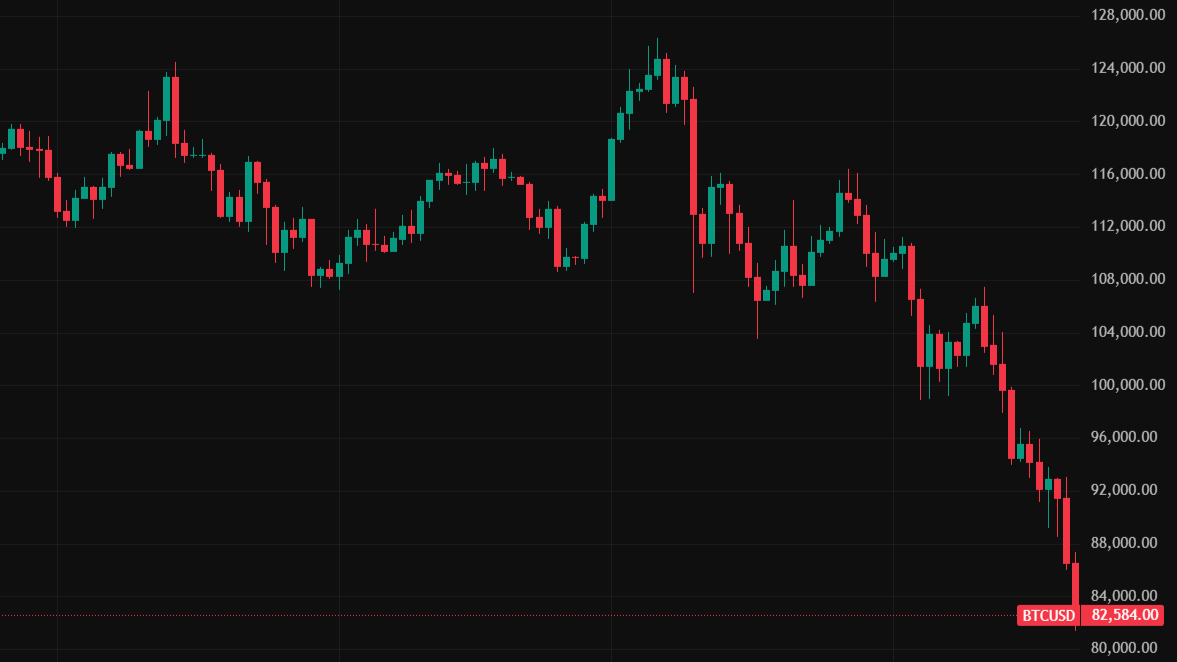
The damage extended well beyond Bitcoin. Estimates show around $2 billion in crypto positions liquidated, as forced selling and evaporating liquidity accelerated the downturn across digital assets. But here's a twist for you: Bitcoin is now entering territory that has historically preceded major recoveries. Let’s dive in.
Bitcoin Is Officially Oversold… And That Matters
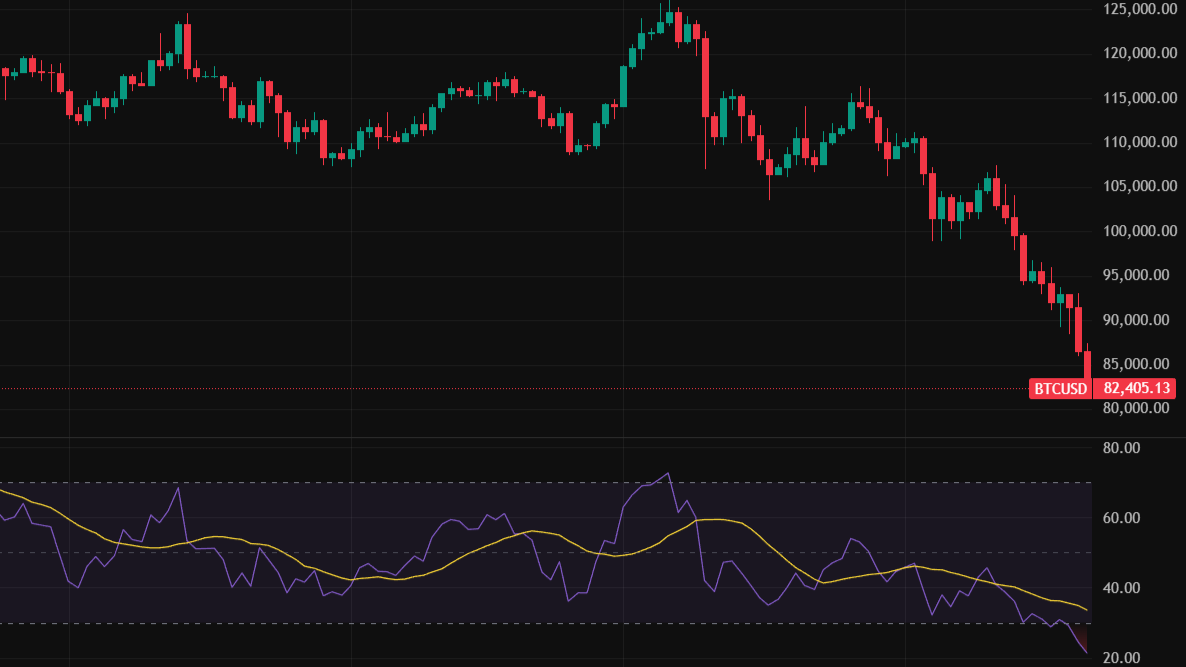
The Relative Strength Index (RSI) has officially moved into oversold territory for the first time in nine months, signaling extreme selling pressure. The last time BTC hit oversold levels was in February, right before a notable rebound. Oversold signals don’t guarantee an immediate reversal, but they often mark the beginning of seller exhaustion.
In the previous oversold event, BTC dropped around an additional 10% before bouncing. If that were to happen again, BTC could briefly dip toward $77,000 before bulls regain momentum. If the current selling eases earlier, a shorter-term bounce could happen sooner.
MVRV Points to Undervaluation
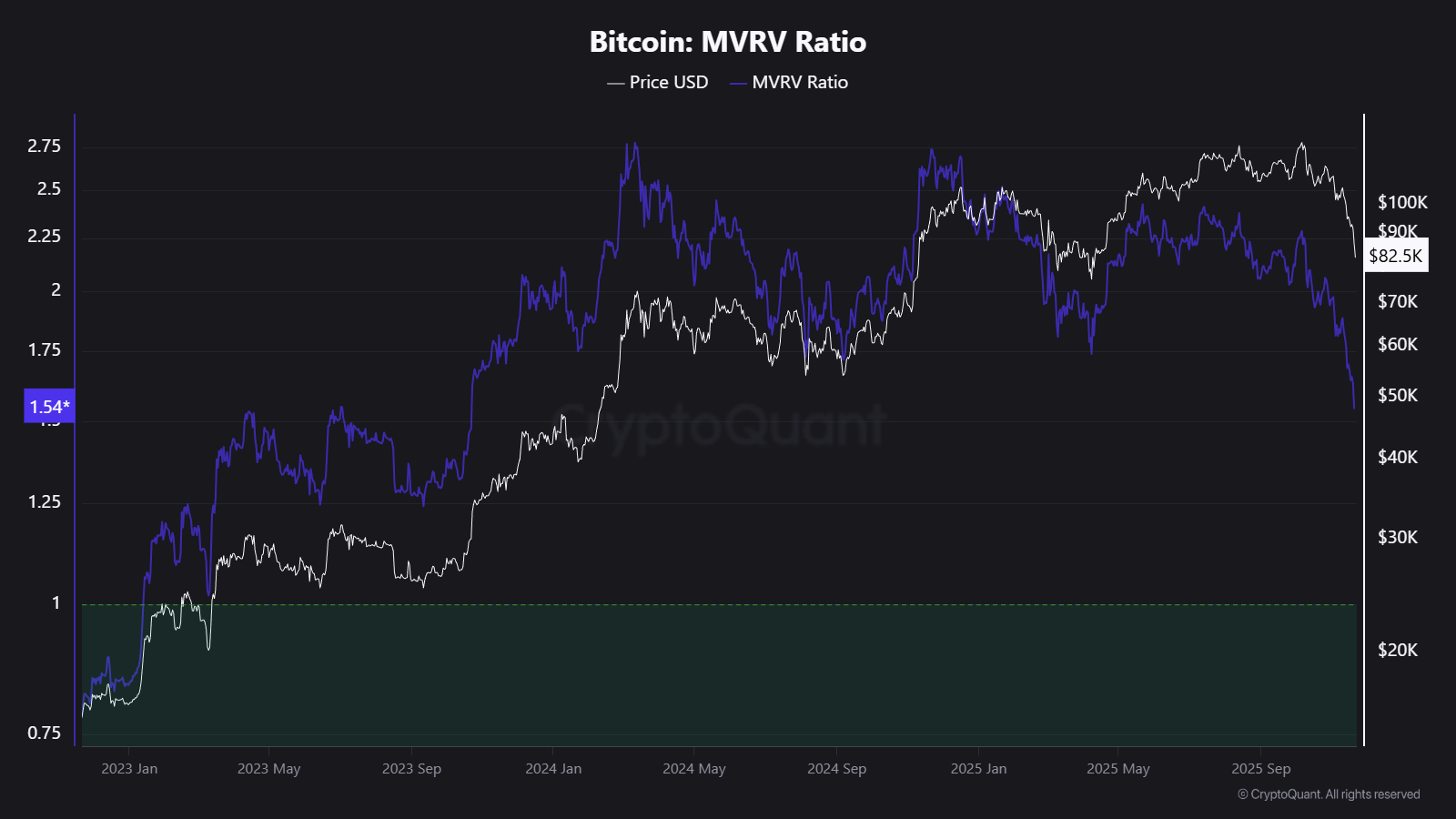
Another key indicator worth looking at is Bitcoin’s MVRV Ratio. This on-chain indicator reveals whether investors are collectively sitting on profits or losses. An MVRV Ratio above 1 means the average holder is in the green; below 1 signals most are underwater.
BTC’s MVRV now sits at 1.5, its lowest level in over two years. When MVRV enters a “opportunity zone”, it suggests two things:
- Many short-term holders are underwater
- Downside selling pressure is approaching exhaustion
Key Levels to Watch
If bearish pressure continues, it’s possible BTC could revisit the $80,000 level, with a deeper support level around $77,000, matching the RSI’s recent historical pattern.
But there’s also a realistic bullish scenario: reclaiming $92,000 could turn the structure decisively bullish, opening the door to the $95,000 region and beyond.
What Can We Expect From BTC This November?
Beyond the indicators, there’s a seasonal angle worth emphasizing: Bitcoin has historically shown strong end-of-year recoveries and rallies. Even during weaker macro environments, Q4 has often delivered rebounds driven by renewed risk appetite and improved liquidity flows.
Combine that with oversold technicals, undervaluation signals, and easing macro uncertainty if the Fed does follow through on cuts, and the current levels could start looking less like panic territory and more like potential opportunity.
The Takeaway
Bitcoin's slide doesn’t appear to be driven by broken fundamentals; it's the result of macro turbulence, risk-off positioning, and temporary sentiment shifts. Short-term chop may persist, but on the flip side, key indicators are flashing oversold conditions which have historically marked turning points.
Corrections are part of Bitcoin's DNA. It has survived far steeper crashes and consistently emerged more resilient. Whether the bounce starts today or after one final shake-out, the pattern is familiar: selling exhaustion plants the seeds for the next rally. Patient holders have seen this pattern many times, and more often than not, their patience has been rewarded.

November 2025 could mark a turning point for crypto as three powerful catalysts align. Learn why retail investors, whales, and policy moves are setting the stage for what's next.
Something's shifting in crypto, and it's not just the charts. After weeks of sideways action and uncertainty, major developments out of the United States could be the catalyst that many were hoping for.
The timing couldn't be more interesting. Retail appetite is quietly building, whales are accumulating aggressively (especially in XRP), and macro conditions are starting to tilt back in crypto's favor. Individually, each of these catalysts matters. Combined, they set the stage for the kind of conditions that have historically preceded major shifts. Here's what you need to know, and why the next few weeks might be more important than most people realize.
1. U.S. Tariff Dividend
One of the biggest stories to watch is the “tariff dividend” President Donald Trump announced, a direct payment that could reach around $2,000 per person. The idea is that funds collected from higher import tariffs could be redistributed to citizens, effectively a form of economic stimulus. This could inject billions into consumer wallets, creating new liquidity across markets.
If history is any guide, such payouts can ripple into crypto. During the 2020 stimulus-era, Bitcoin saw a sharp uptick as retail investors channeled part of their checks into digital assets. The same pattern could repeat if a new wave of disposable income reaches American households, especially with crypto platforms now far more accessible than they were five years ago.
2. U.S. Government Shutdown Ending
Another factor lifting sentiment is the prospect of the U.S. government reopening. Political gridlock has weighed on markets, but signs of resolution have already sparked rallies across equities and digital assets alike. The relief comes as investors regain confidence that key economic functions will resume smoothly.
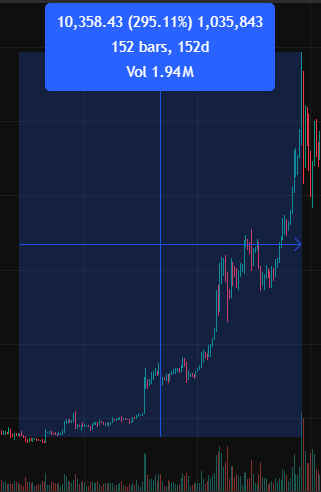
The last comparable event came in 2019, when a record-long U.S. shutdown ended after 35 days. Shortly afterward, Bitcoin began a sustained recovery, climbing from roughly $3,500 in late January 2019 to over $13,000 by mid-year. While correlation doesn’t imply causation, renewed fiscal clarity and market confidence often coincide with higher risk-appetite, the environment where crypto tends to thrive.
3. Pending ETF Approvals: Keep an Eye on XRP
Finally, the next big trigger could come from the regulatory side. Several new spot crypto ETF applications are nearing decision windows, with assets like XRP and Solana drawing heavy attention. The success of Bitcoin and Ethereum ETFs has already shown how much institutional demand can reshape liquidity and credibility in the space.
In particular, XRP could be one of the biggest winners. According to recent on-chain data, whales have accumulated more than $560 million worth of XRP in the past few weeks, a sign of growing confidence ahead of potential ETF approval. Broader adoption through regulated investment vehicles could finally unlock fresh capital inflows for alternative crypto assets beyond Bitcoin and Ethereum.
Bottom Line
Nothing is set in stone in crypto. But when liquidity, regulatory progress, and accumulation all start pointing in the same direction? That's when things get very interesting.
We're heading into the final stretch of 2025 with more aligned positive factors than we've seen in months. So, for anyone involved in crypto, whether you're trading daily or holding, now's the time to stay plugged in.

More than a million Bitcoin have vanished because owners didn’t plan ahead. Without a crypto inheritance plan, your family could lose access to your assets forever. Here’s how to safeguard them.
As digital assets become a core part of personal wealth, one uncomfortable question lingers: what will happen to your crypto when you’re gone? Unlike traditional assets that can be managed through banks or brokers, cryptocurrencies are bound entirely to whoever holds their private keys. Lose the keys, and the funds are gone. Permanently.
Crypto Vanishes All the Time
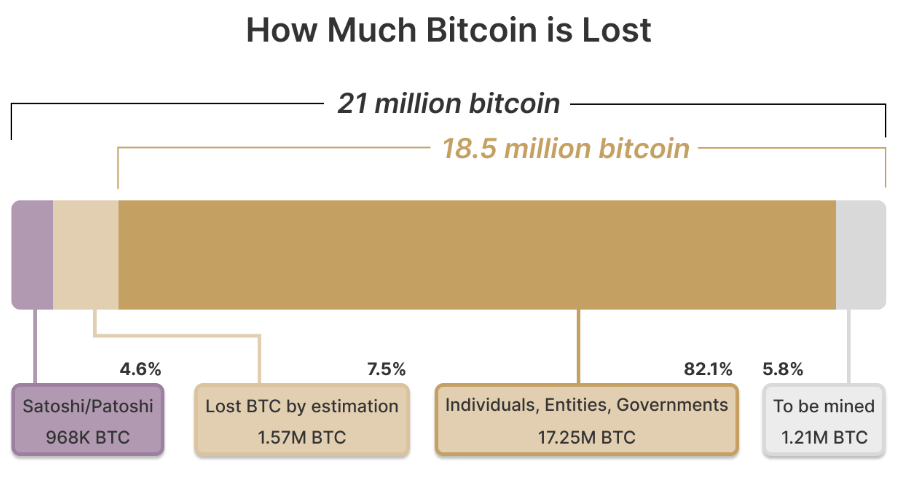
Each year, millions of dollars in Bitcoin, Ether, and other tokens vanish into the digital void when holders pass away without sharing access. It is estimated that around 1.5 million BTC (roughly 7.5% of total supply) may already be lost forever. With digital wealth now part of countless estates, preparing for the inevitable is no longer optional; it’s the responsible thing to do.
Why Planning for Crypto Inheritance Matters
In traditional finance, wealth transfer is handled through wills, trusts, and custodians. But crypto flips that model: you are the bank. Your heirs can’t simply request a password reset or call customer service. Without private keys, wallets, or access instructions, those assets are unrecoverable for all effects and purposes.
A crypto inheritance plan ensures that your digital assets, from Bitcoin and altcoins to NFTs and DeFi holdings, remain both secure and accessible to the people you choose. It bridges two crucial needs: protecting your funds today and ensuring your legacy tomorrow.
Beyond personal security, inheritance planning also reduces emotional and financial stress for your loved ones. By documenting how and where assets can be accessed, you prevent confusion and potential legal disputes.
Building the Foundation of a Crypto Inheritance Plan
Start with Legal Clarity
Consult an attorney familiar with digital assets. A properly structured will or trust should identify your crypto holdings, list beneficiaries, and outline how they can access those funds. Many jurisdictions still lack explicit laws for digital assets, so expert guidance helps ensure compliance and enforceability.
Secure Your Keys… But Don’t Overshare
The biggest challenge in crypto inheritance is private key management. If you die with your keys, your crypto dies with you. However, leaving keys in plain text within a will or document is just as risky. Instead, consider approaches like:
- Multisignature wallets, which require multiple approvals to move funds.
- Shamir’s Secret Sharing, which means splitting your seed phrase into parts distributed among trusted people.
- Encrypted backups or sealed letters stored in secure, offline locations.
Document recovery procedures in plain language so your heirs can follow them even without technical knowledge.
Choose the Right Executor
A traditional executor may not understand how to navigate crypto. You can appoint a tech-literate executor or designate a digital asset custodian to handle that portion of your estate. This ensures smooth execution and reduces the risk of errors or loss.
In a market driven by innovation and constant change, a well-structured inheritance plan offers something rare in crypto, certainty.
New Tools for a Digital Age
The rise of blockchain-based “death protocols” and smart contract automation adds a new layer of possibilities. Some platforms allow transfers to trigger automatically after certain conditions are met (for example, a verifiable death certificate or extended inactivity).
Ethereum and similar chains already support programmable inheritance systems, but these should complement, not replace, legal documents. Technology can help enforce your intentions, but law remains the foundation of inheritance.
Some investors even use “dead man’s switches”, automated systems that transfer funds if the owner doesn’t log in for a set period. While clever, it might be best to pair them with legal documents to prevent accidental activations.
Protecting Privacy While Planning Ahead
While planning for the future, it’s crucial to maintain security in the present. Avoid including wallet addresses, private keys, or passwords in public wills, which become part of the legal record. Instead, store such details in encrypted files or sealed envelopes accessible only to specific individuals.
Tools like decentralized identifiers (DIDs) and verifiable credentials can also help manage long-term identity and access rights. These systems allow you to define who can access what, and when, without intermediaries.
Custodial vs. Non-Custodial: Finding the Balance
When structuring inheritance, knowing whether your assets are held in custodial or non-custodial wallets makes all the difference.
Custodial services (like major exchanges) manage private keys on your behalf, which simplifies recovery if your heirs can provide proper documentation. However, it introduces third-party risk. Accounts can be frozen, hacked, or shut down.
Non-custodial wallets, on the other hand, offer maximum control and privacy but demand greater responsibility. If your heirs lose the seed phrase, there’s no backup plan. There’s also the possibility of taking a hybrid approach: keeping long-term holdings in non-custodial storage for security, while using reputable custodians for smaller, more accessible amounts.
Keep It Up to Date
A crypto inheritance plan is not a “set it and forget it” document. Prices change, portfolios evolve, and wallet technologies become obsolete very often. It may be wise to revisit your plan regularly, especially after major life events such as marriage, divorce, or the birth of a child.
It’s also worth keeping track of regulatory updates in your jurisdiction. Laws surrounding digital assets and inheritance are rapidly evolving, and what’s compliant today may not be tomorrow.
Common Inheritance Pitfalls
Even the best intentions can go wrong. Here are the most frequent mistakes to avoid:
- Including seed phrases directly in your will. As we mentioned before, this makes them public and vulnerable.
- Neglecting to educate heirs. Without guidance, even secure plans can fail.
- Relying solely on exchanges. Centralized platforms can fail or freeze funds.
Planning isn’t just about distributing wealth; it’s about ensuring continuity. A clear inheritance strategy preserves your crypto’s value and prevents it from becoming part of the estimated $100 billion in lost digital assets worldwide.
Protecting More Than Just Coins
Preparing a crypto inheritance plan isn’t merely about money; it’s about legacy. For all the talk about decentralization and autonomy, responsibility and forward-thinking remain at the heart of crypto ownership. By taking the time to plan ahead, you safeguard not only your wealth but also your family’s peace of mind.
News and updates

The Surge After the Storm: What’s Next for Bitcoin and the Market
After a brutal October sell-off, crypto just staged one of its most dramatic comebacks yet. Here's what the market's resilience signals for what comes next.

Decoding the disconnect: America's cautious approach to crypto
Bitcoin and the broader crypto market have soared to a staggering $2.1 trillion in value, but why does skepticism still linger among so many Americans? Here is a deep dive into the current trust gap.
.webp)
How the Crypto Generation could reshape the 2024 election
Explore how the Crypto Generation's values and tech influence could shape the 2024 election and impact the future of politics.

Millennials and Gen Z: The Catalysts of the Money Revolution?
Millennials and Gen Z are revolutionizing the financial landscape, leveraging cryptocurrencies to challenge traditional systems and redefine money itself. Curious about how this shift affects your financial future? Let's uncover the powerful changes they’re driving!