Stay one step
ahead of scams
Learn how to spot fraud and scams, recognise warning signs, and take action fast if something feels wrong.

Is it a fraud or a scam?
They may look similar, but knowing which is which helps you act faster and get the right support.
What is fraud?
Fraud happens when criminals secretly gain access to your account or card details and use them to make payments or changes without your consent. This usually takes place without you realising until after the activity has occurred.
What is a scam?
A scam happens when someone manipulates or pressures you into taking action yourself, such as sending money or sharing personal or confidential information, by pretending to be a trusted person or organisation.
Spot the warning signs.
Stay alert and take extra care when dealing with new people, businesses, or organisations. If something feels off, pause and consider the following:

Are they
rushing you?
Scammers try to make you act fast so you don’t have time to think or check anything. If someone says “do this now” or “you’ll miss out”, take a step back.

Did they contact
you first?
Real companies usually don’t message you out of the blue about your account or money. Be careful if you get an unexpected call, email, or text asking for personal details.

Does it sound too good to be true?
Be cautious of promises, guaranteed profits, quick money, amazing deals, or dream jobs are warning signs. If it sounds unrealistic, it probably is.

Are they trying to reassure you?
Some scammers sound friendly and reassuring to gain your trust. If you’re unsure, pause and check with someone you trust before doing anything.
Something doesn’t look right?

If you believe your account may be at risk, stop all communication with the suspected scammer immediately. Contact the Tap support team directly in the app and notify any other financial institutions involved. Report the incident as soon as possible.
Disconnect your account from the stolen device as soon as possible. If you can, sign in from another device and change your passcode to secure your account. If you’re unable to log in, contact our support team immediately by email at support@withtap.com. We’ll help you lock things down and guide you through the next steps.
If you receive an email or text that claims to be from Tap but doesn’t look right, do not respond or click on any links. Please forward the message, including any attachments if possible, to scam@withtap.com so our team can review it and take appropriate action.
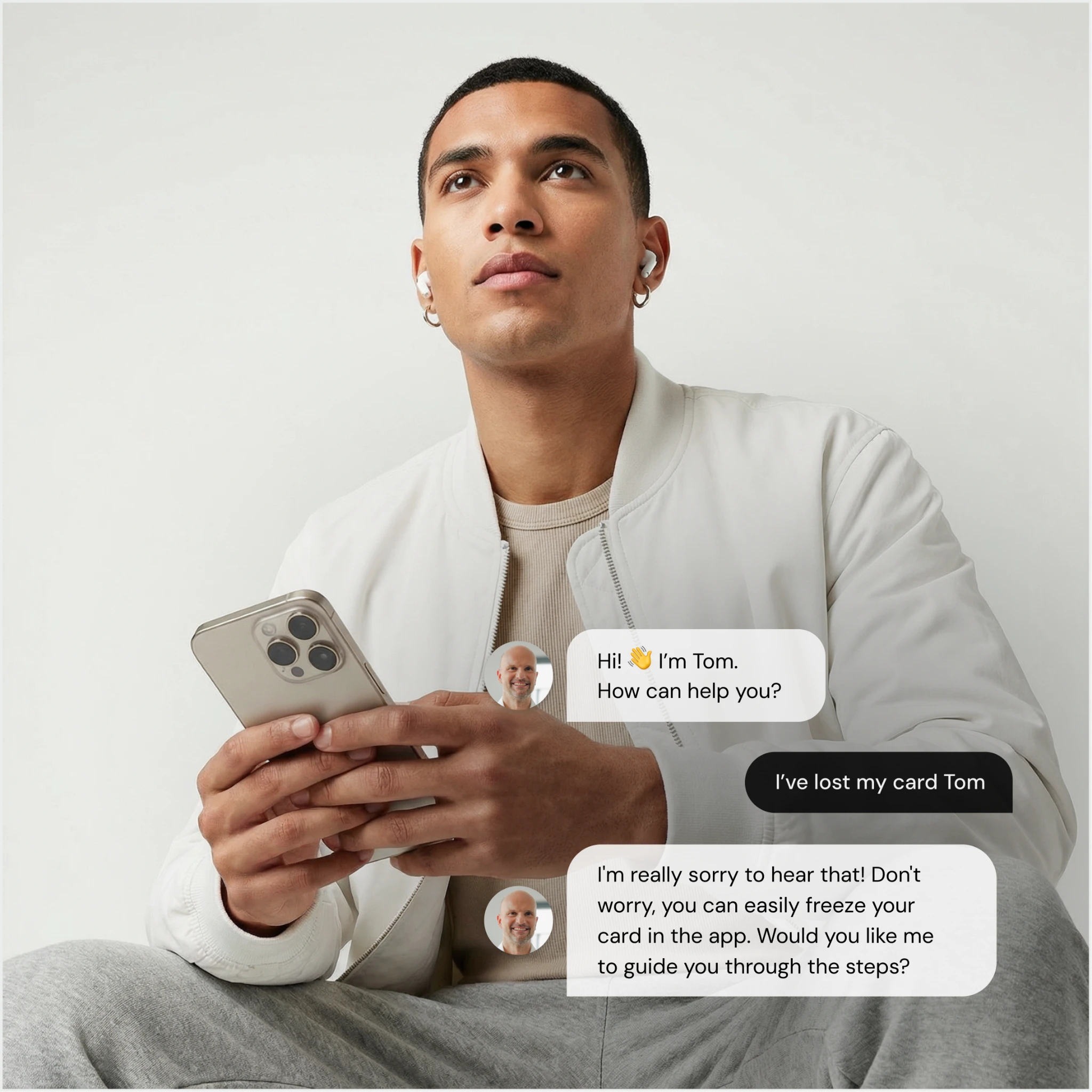
If you believe your card may have been compromised, freeze it immediately in the app.If you suspect fraudulent activity on your account, contact our support team so we can help you secure your account and guide you through the next steps.
If your account has been temporarily restricted, please submit any information requested within the app. This enables our team to review the matter and resolve it as efficiently as possible.If you require assistance at any point, please contact our support team.
Scams come in many forms
Scammers are constantly changing their tactics to catch people off guard. Below are some of the most common scam types. Many others exist, so always take a moment to check the details before you proceed.

Phishing
Messages or calls that look like they’re from a bank, delivery company, or authority, but aren’t. If something asks for codes, passwords, or urgent action, pause and check the official app or website.

Impersonation scams
Someone pretends to be a bank, the police, a company, or even someone you know.
Don’t trust unexpected requests. Contact the organisation directly using official details.

Purchase scams
Items advertised online that never arrive, or aren’t what was promised.
Be cautious with deals that feel rushed or underpriced, especially on social media.

Investment scams
Offers promising high or guaranteed returns. If it sounds too good to be true, it usually is. Only use regulated, trusted platforms.

Romance scams
A relationship that moves quickly and then turns into requests for money or access. Be careful if someone avoids meeting or asks for financial help.

Job scams
Job offers that ask for upfront fees, loans, or personal information. Legitimate employers don’t charge you to work for them.

Delivery scams
Messages claiming a parcel is delayed or needs extra payment.
Always check directly with the delivery company using their official channels.

Advance fee scams
Requests to pay upfront for loans, prizes, refunds, or services that never materialise. Be cautious when payment is required before anything is provided.

Invoice scams
Invoices where payment details have been changed without notice. Always verify bank details before paying, especially for large or unusual payments.

Rental scams
Fake property listings or landlords asking for payment outside trusted platforms. Use official booking systems and avoid pressure to pay quickly.

Charity scams
Fake or unclear charities asking for donations, often after major events.
Check the charity is registered and avoid any unsolicited requests.

Pension scams
Offers encouraging you to move or withdraw pension funds for better returns. Take your time and seek independent advice before making pension decisions.
Think you’ve been targeted?
If you think you’ve been the victim of a scam, we’re here to help please chat with us directly in app we’ve got you 7 days a week.