Aprender, de forma sencilla
Explora nuestros recursos, guías y artículos sobre todo lo relacionado con el dinero. Gana confianza financiera con contenidos seleccionados por nuestros expertos, tanto si estás empezando como si ya tienes experiencia.
Últimos artículos

It's no secret that discussing finances is often considered taboo. Oftentimes, people quickly become uncomfortable when the topic is brought up. But why is talking about money so awkward for most people?
It's because most people are still afraid to discuss about savings openly for a wide variety of reasons from shame, embarrassment, or simply fear of their financial privacy.
However, there are many reasons why saving (and actively building a savings account) is important, and we think that today is a great opportunity to break the stigma around discussing savings openly. Here's what you need to know about starting to save, several ways to save money, and how Tap can help you in your saving quest.
The stats on talking about money
Discussing finances can be an uncomfortable subject for many people, as revealed by a recent survey. In fact, the survey found that over half of respondents, 56%, consider talking about money a taboo topic. Debt emerged as the most controversial financial topic, with 45% of those surveyed expressing discomfort discussing it.
The survey also highlighted that people are more likely to open up about their finances if others do the same. This means that breaking the taboo around money talk can have a positive impact on our financial well-being. By being more transparent about our saving methods, we can help others learn and achieve their own financial goals.
Below are a few ways to get you started with how to save money more efficiently.
How to get started: start saving money
It's never too late to start your savings journey. Whether you're starting your first job, looking to make a down payment on a house, or you're already retired, setting aside money for savings is an important step in building your wealth. Here are a few simple steps to take and ways to save money.
Establish your savings goals
In order to get started, first calculate how much money you need to save each month to reach your financial goals. This will help you determine how much money you need to set aside each paycheck.
Create a budget
The first step is always the most difficult, but it's important to be honest with yourself about your current situation. Review your finances on a regular basis and consider how much you would like to save as well as what that savings goal entails. Build this savings plan to be realistic, making a savings plan you're never going to stick to is only a waste of your time.
If your monthly bills exceed your income, it might be time to make a budget. Look at what you spend on grocery shopping, auto insurance, energy costs or online shopping and see if your monthly budget has room for some cuts. While homeowners insurance and utility bills can't be neglected, consider if there are cheaper alternatives in your area for the things you can afford to cut on - you never know where you might be able to save some extra dollars.
In doing so you are already taking the first step toward your quest to save money.
See where you can cut spending and save money
Take a closer look at your spending habits. Where are you wasting money? Are you eating out too often? Do you have a lot of expensive subscriptions? Once you identify your problem areas, you can start making changes to better save money.
For example, if you're spending too much on eating out or buying lunch, try cooking at home more often. If you have a lot of subscriptions, see if there are any you can live without and consider canceling an expensive subscription service. There are plenty of ways to save money and build wealth, get creative!
Set up a savings account
Next, you can open a savings account and make sure to deposit money into it regularly. This account should be a separate savings account from your checking account so that you're not tempted to spend the money.
You can opt for a saving account programme which allows you to put money in an account that generates extra cash for you, paid out monthly or yearly. The key in this process is to make sure the money is going into savings before you have a chance to spend it.
Also consider putting unexpected income in these accounts, like a tax refund.
Review and adjust
Finally, in your efforts to save money make sure to review your budget regularly and adjust your savings goals as necessary. By following these simple steps, you can start saving money and building your wealth today.
Don't forget to give yourself some breathing room. It's important to have money set aside in an emergency fund, but that doesn't mean you should never spend any of your savings. Indulge in some of your favorite things every once in a while and appreciate all that you've worked for!
Consider paying off credit card debt and building an emergency fund as equally important to building your savings account. If you're making use of passive income generation you could use these earned funds to pay off one of the two. Savings accounts might sound scary but the truth is they're simple, important, and integral to save money.
Here are some of the best saving tips that we think everyone should know:
- Don't wait to start saving money. The more time you give yourself to spend it the greater the temptation will be. Transferring a fixed percentage of your income into savings accounts as soon as you receive it is an excellent way to make sure you're putting some money away as soon as you get paid.
- If you're always frugal with your money, you'll only be frustrated and won't achieve your savings goals. From time to time, remember to give yourself a little treat!
Closing thoughts
Saving money is something that everyone has to do, and it can be made easier by doing it with others. No matter your situation, there are probably other people around you who know exactly how you feel and with whom you could share advice that could help you both save money more efficiently.
Open that savings account today and start building a better financial future. Whether you cut your monthly bills to make a down payment or save money for your emergency fund or dream vacation, putting money aside for your future is always a good idea.

Building wealth doesn't have to wait until you're settled down and "old". In fact, the sooner you start the better. Whether you want to buy a house one day, or start saving for retirement, starting to generate wealth earlier on will help you achieve these goals sooner.
Your 20’s & 30’s pose an excellent opportunity to build wealth as these years allow you to learn from your mistakes and take risks with a minimal downside (far fewer than if you started this process when you've got a family to support or an upcoming retirement).
There are two important notions to remember: this is not a get-rich-quick scheme, nor does it need to be complicated. Building wealth is more about setting yourself up on the fast but responsible track to wealth in later years.
8 Tips on how to build wealth
Below are 8 tips on how to stay on the straight and narrow when it comes to generating wealth.
- Create a living expenses budget and stick to it
It might not sound glamorous, but budgeting and saving money is not as bad as you think. Creating a budget for your living expenses (and sticking to it) is one of the surest ways to grow your money in the long term. Explore options like the 50/30/20 rule or 70/20/20 rule to establish what to spend on needs, wants, and savings each month and provide frameworks that allow you to save more money.
Living on a budget doesn't mean skimping on luxuries, it simply means managing spending money on luxuries and not overspending. It also trains us not to live paycheck to paycheck and instead determine exactly what we are spending our money on and ultimately save more money for the things we want to do in life (like buy a house or build a healthy retirement fund).
Financial independence takes work but is not entirely out of reach for anyone. One needs to start building a financial plan today in order to accumulate wealth further down the line.
2. Start eradicating your debt (from credit card debt to student loan debt)
Prioritise paying off your debt and living within your means in order to build your personal capital. Of course, sometimes debt is unavoidable, but bouncing back is imperative to building wealth down the line. Consider saving up to pay off your debt before using those savings for investments.
The 20/10 rule stipulates that you use a maximum of 20% of your annual net income on consumer debt, while each month you use no more than 10% of your net monthly income to pay off this debt. Ideally, stay away from consumer debt entirely and prioritize paying off anything you owe so that you can have more money in the long run.
3. Explore the working world
Your 20s are a great time to try new things in the job world. Explore new opportunities and build your experiences to grow your earning potential down the line. Consider each new job experience an opportunity to grow your skill set and increase your earning potential as you ascend the corporate jungle gym.
While a job might not pay more money, the experience it gives you can leverage your next job and result in greater financial success. It also might help you find money-minded friends, a great benefit to have when building wealth and personal capital.
4. Increase your income streams and make more money
While you're gaining experience in the working world consider building multiple income streams through side hustles, your own business or freelance gigs. Not only will this too contribute to a wider skill set, but will also create additional income streams which can be used for investments or holidays. You can build wealth while enjoying life, and additional income streams are the surefire way to do this and achieve financial freedom.
5. Educate yourself on finances
You're more likely to grow financially if you understand finances. Never underestimate the power of being financially literate and having the right money mindset. Use your twenties to read books, articles, and blogs to gain both knowledge and street-smartness to help you navigate your journey to financial freedom.
6. Investing
First, and as a continuation of the point above, do your own research before investing in any asset class. Investing from an early age can have ample benefits (read up on compound interest for one), but doing so without understanding how investments work can have dire consequences. Educate yourself or consult a professional, and start small. You don't need a huge amount of capital to get started.
7. Build an emergency fund
An emergency fund is 3-6 months' worth of living expenses and is a major contributor to financial wellness and laying the right financial foundation for later in life. Emergencies in life are inevitable, whether it be a medical emergency, a family crisis, or a car or house emergency, and an emergency fund is a surefire way of avoiding financial ruin as a result.
Learn more about building an emergency fund in our 7 simple steps to start (and build) your emergency fund article.
8. Get started with your retirement fund
It might not sound sexy, but starting to save for your retirement in your 20s is ideal. Starting to save for retirement when it's right around the corner isn't advised, so why not start now so that it can grow into something substantial by that time? Imagine what two to three decades of retirement savings might look like, compared to a few years.
As always, do your research and start small. You might even find that you can retire much earlier than expected. This is the number one mistake that young people make today.
In Conclusion
There's no time like the present to start considering your financial situation and what you can do now to make it prosper in the years to come. Avoid get-rich-quick schemes and use the time to take educated risks, the earlier you start working on your growing wealth journey, the better.
Even if you're not earning a lot, be diligent and consistent and you will see results. Start building these habits now and you will reap the rewards along the way.
Disclaimer: This article is intended for communication purposes only, you should not consider any such information, opinions, or other material as financial advice.

Level up your crypto trading with the right tools. Whether you’re brand new to the industry or a seasoned trader, you can never know enough about the industry, the crypto market or what to expect. Crypto trading is a unique and exciting endeavour, and we’re here to make sure you always have your best foot forward.
It’s not always easy to know where to start
Being a beginner at anything in life is hard, and the crypto industry is no exception. It’s common for newbies to be inundated with content and it’s not easy to know what’s worth your attention and time and what isn’t. On top of that, there is also a lot of misinformation out there, with publications or platforms selling services through content directed to that purpose.
Through our Crypto Basics platform, you can learn the fundamentals of the crypto industry. We’ve curated the topics to ensure that you get a broad understanding while still covering topics that are relevant to your learning curve. Entering the crypto market should be fun and stimulating, so we’ve geared our Crypto Basics platform as well as all our content toward that.
Start Learning Right From Our Crypto Basics Learning Portal
Tap crypto basics 101
In our online learning portal, you will have access to plenty of blogs to assist you in gathering all the knowledge you need to know. We’ll start you off with an introduction to the three top cryptocurrencies, explaining what they are, how they came about, and what functions they offer. After the crash course on Bitcoin, Ethereum and Litecoin you’ll have a good idea of what cryptocurrencies are and how they differentiate themselves. You’ll then be introduced to altcoins, a common term used to refer to any cryptocurrency that isn’t Bitcoin.
From there you can gain an understanding of how cryptocurrency transactions work and what goes on behind the scenes to facilitate these digital transactions. We’ll also give you an introduction to how mining works, a term used to describe the process of new coins entering the system (also used to verify and process transactions).
How Do Bitcoin And Altcoin Transactions Work?
What is Bitcoin Mining and How Does it Work?
How Long Will It Take To Mine All The Bitcoins?
In the explanation on Ethereum or across the industry in general, you will likely come across terms like “smart contracts”, “dapps” and “DeFi”. We’ve got you covered with simple explanations on each of these, delivering a comprehensive overview to help you navigate news pieces or forum discussions with confidence.
From there you can explore industry terms like “what is KYC?” as well as take a look at things like market caps and bull versus bear markets. These terms you will hear a lot of in the industry, and these blogs provide you with the terminology to breeze through.
What is A Bull Or Bear Market?
Tap into your own potential
This is a good introduction to our Learning Portal, however, there is so much more on offer. As we constantly update the portal be sure to check in when you’re ready for your next dose of crypto knowledge, or better yet bookmark the link so that you constantly are in the know. We regularly update the section with new and insightful material, so be sure to check-in. You’re never too experienced to upgrade your crypto knowledge, so use Tap as your tool kit to further expand your crypto knowledge and navigate the markets with ease.

Day, Month,2021, LONDON: TAP Global has been shortlistedin the ‘Best Use of Crypto in Financial Services’ in the Emerging Payments Awards(EPA) 2021.
Now in its 14th year, the Emerging Payments Awardscelebrate innovation and collaboration by recognising companies thathave made significant impact in supporting and providing payment solutions forconsumers and businesses.
It is one of the most recognized awards within the UK payments industry with an independentpanel of 58 judges including this year:
· Anna Maj FinTech Leader, Senior Advisor, Truffle Capital, SeniorLecturer CFTE
· Jill Docherty [ of Business Development, UK & Ireland, Visa
· Martha Mghendi-Fishe Founder & Executive Board Chair, EWPN
· Mark Walker Co-founder & COO Editorial Director, The FintechPower 50 and The Fintech Times
· Joanne Dewar CEO, Global Processing Services
· Nikki Evans CEO EMEA, EML
Tap Global wasshortlisted for The ‘Best Use of Cyrpto inFinancial Services’ category based on criterias such as the benefits it providesto its end-users, how TAP stands out from its competitors due to its featuresand innovation, and the proven evidence of its success in the market.
“‘Tap was one of the first companies to launch a crypto prepaidpayment card with Mastercard in the EU’ in 2020 and our cryptocurrency-to-fiat prepaidMastercard and smartphone app give users the
power to instantly trade all major cryptocurrencies to fiat, andto make purchases with their cryptocurrency”, comments David Carr, CEO atTAP GLOBAL.
“Tap’s proprietary AI Middlewareconnects to multiple exchanges simultaneously, automatically validatingavailable liquidity and selecting the most competitive prices whilefacilitating trades in a matter of seconds. Users can convert their cryptocurrency assets to fiat instantly,allowing them to pay for goods or use an ATM anywhere Mastercard is accepted.
Through the smartphone app, users can securely send and receivecryptocurrencies and fiat, view their transaction history, lock and unlocktheir card in case of loss and instantly view their PIN. Tap offers its usersfull EEA coverage for card, banking and cryptocurrencies and a named EUR IBANand/or GBP Sort Code and Account Number, as well as secure, offline, coldstorage behind a multi-signature wallet with the highest grade security for allcryptocurrency assets”, he further adds.
“It’s an honour to be shortlisted for this award which furtherrecognizes the added value TAP brings to market and the benefits for our end-users.None of this would have been achievable without the hard work of our teams andthe support of our partners”, says David.
Commenting on theannouncement, Kriya Patel, CEO at Transact Payments adds, “The EPAawards are some of the most prestigious awards in our industry recognisingcompanies that are making a real difference in driving innovation in payments.We’re delighted to be working with TAP Global and being shortlisted for thisaward.”

Now in its 14th year, the Emerging Payments Awards celebrate innovation and collaboration by recognising companies that have made significant impact in supporting and providing payment solutions for consumers and businesses.
It is one of the most recognized awards within the UK payments industry with an independent panel of 58 judges including this year:
· Anna Maj FinTech Leader, Senior Advisor, Truffle Capital, Senior Lecturer CFTE
· Jill Docherty [ of Business Development, UK & Ireland, Visa
· Martha Mghendi-Fishe Founder & Executive Board Chair, EWPN
· Mark Walker Co-founder & COO Editorial Director, The Fintech Power 50 and The Fintech Times
· Joanne Dewar CEO, Global Processing Services
· Nikki Evans CEO EMEA, EML
Tap Global was shortlisted for The ‘Leading Financial Services or Payments Start-Up’ category based on criteria s such as the benefits it provides to its end-users, how TAP stands out from its competitors due to its features and innovation, and the proven evidence of its success in the market.
“‘Tap was one of the first companies to launch a crypto prepaid payment card with Mastercard in the EU’ in 2020 and our cryptocurrency-to-fiat prepaid Mastercard and smartphone app give users the power to instantly trade all major cryptocurrencies to fiat, and to make purchases with their cryptocurrency”, comments David Carr, CEO at TAP GLOBAL.
“Tap’s proprietary AI Middleware connects to multiple exchanges simultaneously, automatically validating available liquidity and selecting the most competitive prices while facilitating trades in a matter of seconds. Users can convert their cryptocurrency assets to fiat instantly, allowing them to pay for goods or use an ATM anywhere Mastercard is accepted.
Through the smartphone app, users can securely send and receive cryptocurrencies and fiat, view their transaction history, lock and unlock their card in case of loss and instantly view their PIN. Tap offers its users full EEA coverage for card, banking and cryptocurrencies and a named EUR IBAN and/or GBP Sort Code and Account Number, as well as secure, offline, cold storage behind a multi-signature wallet with the highest grade security for all cryptocurrency assets”, he further adds.
“It’s an honour to be shortlisted for this award which further recognizes the added value TAP brings to market and the benefits for our end-users. None of this would have been achievable without the hard work of our teams and the support of our partners”, says David.
Commenting on the announcement, Kriya Patel, CEO at Transact Payments adds, “The EPA awards are some of the most prestigious awards in our industry recognising companies that are making a real difference in driving innovation in payments. We’re delighted to be working with TAP Global and being shortlisted for this award.”

This year has proved to be an exciting one for the crypto adopters, with markets taking turns playing out to bulls’ and bears’ delights. Bitcoin crossed the $66,000 mark for the first time in history, and with that, a new data trend has emerged which has shone a light on a significant gap in the market.
Here we explore the vast potential of the integration of the corporate market into the crypto industry. Recent data has exposed the large gap between crypto trading taking place on major exchanges. It has been discovered that there is little trading activity between the retail or institutional type of trader, setting two extremes: retail investors trade hundreds to several thousands of dollars while institutional investors trade millions.
In other markets, this range is generally made up of family offices ,mid-to-large corporations, or high-net-worth individuals. However, in the crypto space it appears that navigating the $100,000–$500,000 trading bracket is not as common.
An Overview of the ever-expanding cryptocurrency market
According to a study conducted by Chainalysis, cryptocurrencies usage across the globe increased by 880% when compared to that of last year. Meanwhile, experts forecast that this number is likely to increase. In 2021, major companies across many industries have taken an interest or invested in cryptocurrency and blockchain.
Cryptocurrencies are becoming increasingly popular, especially among institutions. This demonstrates that interest is no longer restricted to individual crypto aficionado traders. Large financial firms like BlackRock and Goldman Sachs have invested in cryptocurrencies, showing the potential of this asset class.
Bitcoin and Ethereum have grown popular and should be perceived as a positive development as it is a necessary step for cryptocurrencies to achieve widespread adoption. Some experts predict that more large, multinational businesses will accelerate the adoption of blockchain technology in the coming months.
Accepting cryptocurrencies as payment is something to consider if you run a business. As cryptocurrency adoption grows, so is the number of merchants who accept it.
Bridging the gap
Several reasons why this corporate market is yet to engage in cryptocurrencies is believed to be due to the lack of trusted liquidity providers, reasonable pricing, banking partners or secure technology. If your company is interested in opening a corporate account enabling your business to accept crypto payment, transfer, billing, and trading, Tap can assist your venture getting started with cryptocurrencies.
Bridging the gap, Tap is launching a new service that will provide crypto exposure to this mid-range market through its trusted and verified mobile app. The new Corporate Account will provide specialised B2B services catered directly to companies looking to enter the world of cryptocurrencies.
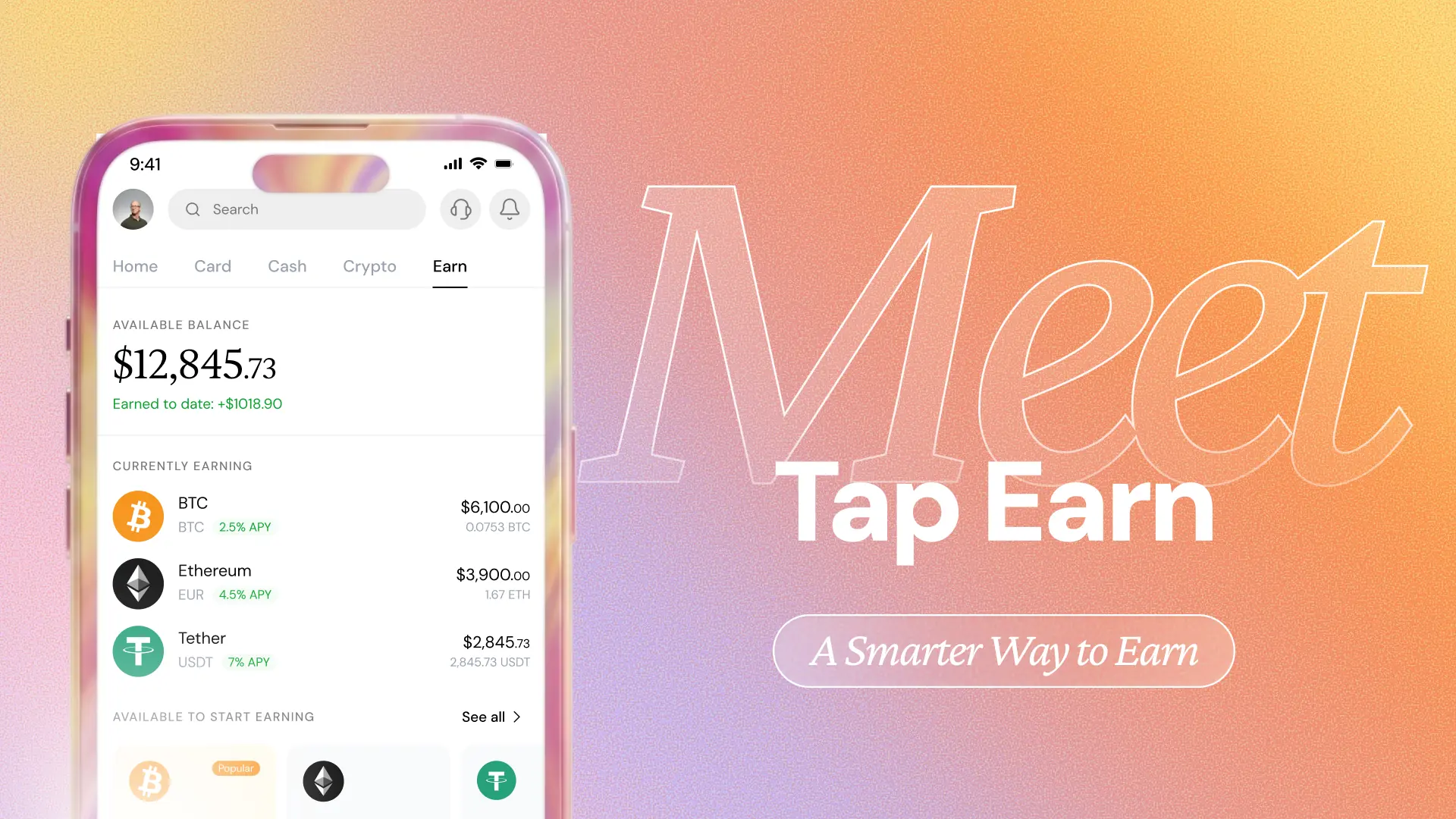
Through these services, companies will be able to make and receive payments in the supported crypto and fiat currencies, enjoy reduced transaction fees through the native token XTP, as well as earn interest through the Earn feature. While the B2C market has become somewhat saturated, Tap Global has taken aim at the B2B market, providing an early entry, alongside transparent pricing, for corporate companies into the crypto sphere.
As the financial landscape continues developing at a rapid pace, the app serves to provide an early and seamless approach to the future of payments that we are fast approaching.
From “Risky Investment” to global reserve
While Bitcoin hasn’t entirely evolved into a global reserve currency (yet), it has undoubtedly emerged from the speculative asset it was considered to be just several years ago. As crypto continues to break into new markets, the corporate market is growing in interest at a steady pace and seeking a way to integrate crypto payment and investments into their businesses.
With a range of reliable and tech-forward products on the market, there is little doubt that the rate of crypto adoption will continue to grow. While Tap provides a space for early adopters and high-net-worth investors, the company also opens its doors to a wide range of individuals and corporations, no matter where on the scale of net-worth or transaction volume they might sit.