
Learning the friendly way
Dive into our resources, guides, and articles for all things money-related. Grow your financial confidence with our experts curated tips and articles for both experienced and new investors.
Latest posts
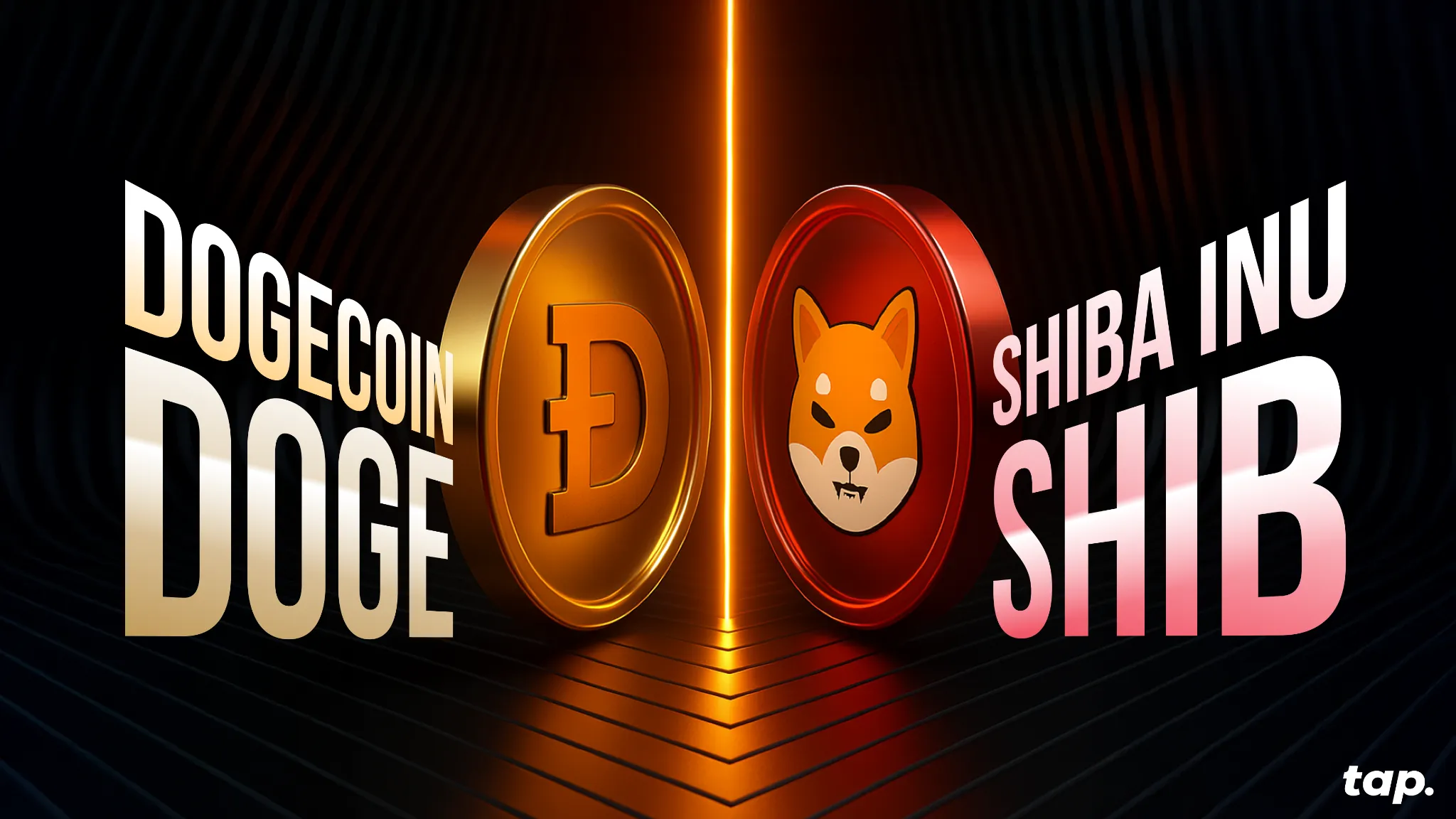
DOGE or SHIB, who’s the real top dog of crypto in 2025? The meme coin race is far from over.
Paw-sitively Profitable
Back in 2013, Dogecoin (DOGE) launched as a tongue-in-cheek knock-off version of Bitcoin (BTC). It was inspired by Kabosu, an incredibly cute Shiba Inu dog that sadly passed away last year, though not without leaving an Instagram account full of posts to remember her by.

The picture that started the meme. Fundamentals… what? Look at this cute doggy. Source.

Fast forward to 2020, and Shiba Inu (SHIB) popped up as a parody of the parody. Both were brushed off as silly, short-lived plays… until they weren’t. In February 2021, a certain billionaire you might have heard of, called Elon Musk, drew attention to Dogecoin through a series of tweets. One could safely pinpoint that tweet spree as the origin of the memecoin bonanza.
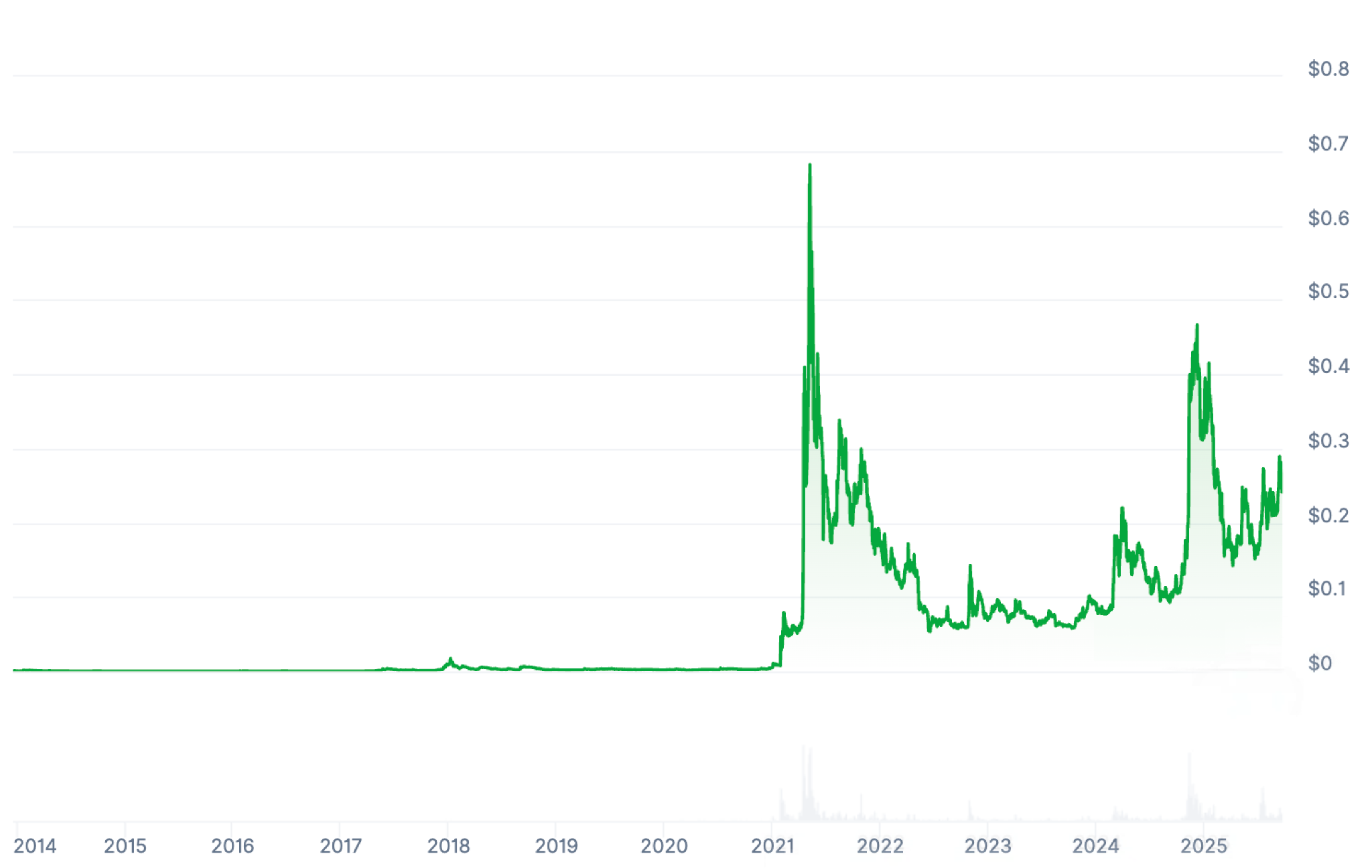
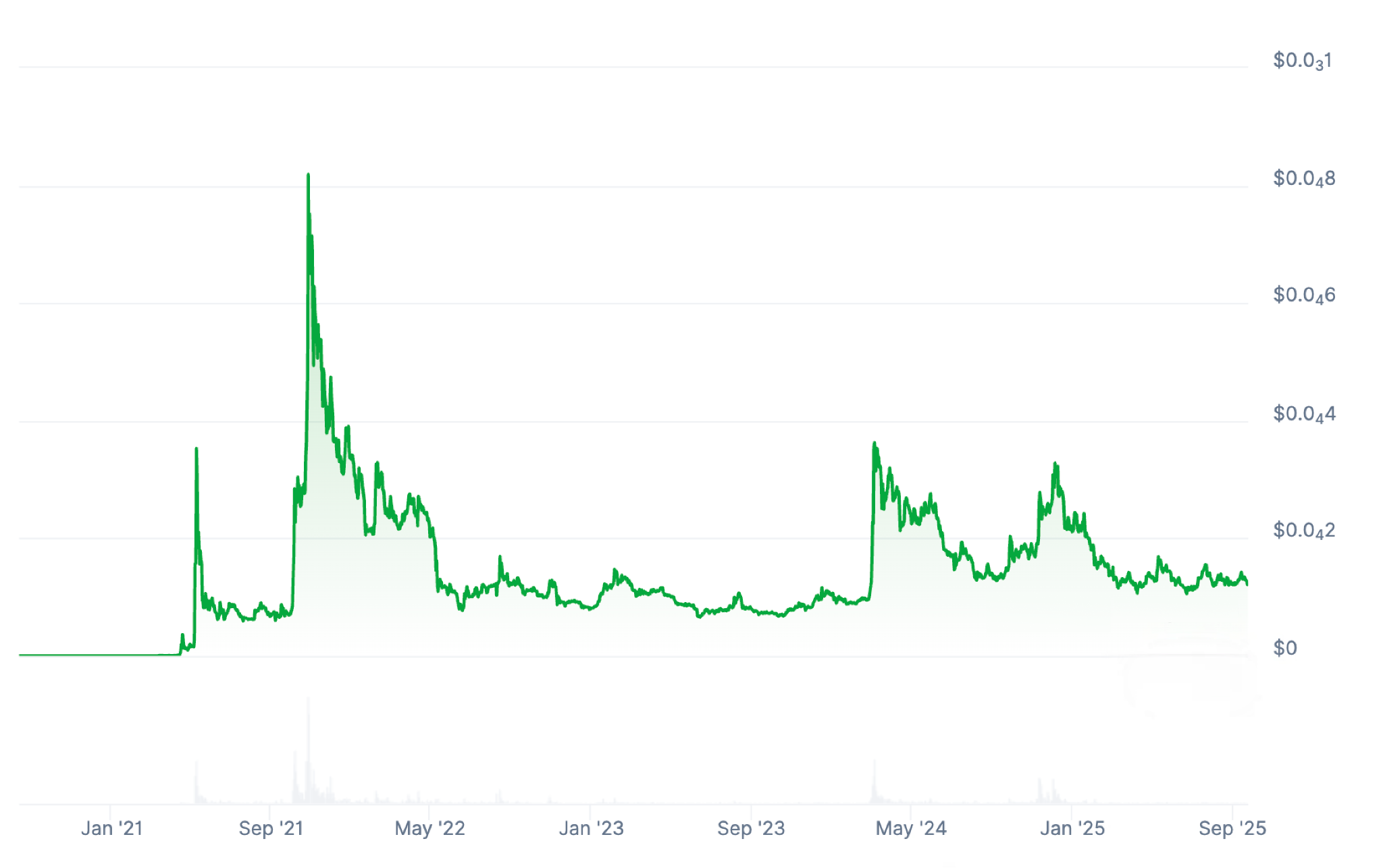
Now, let’s fast forward to September 2025. A $100 bet on Dogecoin at $0.0002 would be worth about $124,850 today. The same stake in Shiba Inu at launch? Nearly $25.5 million. Meme magic at its wildest.
For a time, Shiba Inu looked like the stronger contender thanks to its growing ecosystem. But 2025 has flipped the script: SHIB is up a good 24%, while DOGE barked its way to a massive 173% gain. Let’s dig into why.
Two Breeds of Dogs
Dogecoin runs on Litecoin’s proof-of-work code, meaning it still relies on miners. It’s inflationary, has no max cap, and uses Scrypt for faster, cheaper payments than Bitcoin. That’s given it a reputation as the “fun” payments coin.
And of course, the Musk effect can’t be ignored. Elon has championed DOGE in tweets, Tesla accepts it for select merch, and even the government’s Department of Government Efficiency was cheekily nicknamed DOGE. Very few coins, memes or not, can summon mainstream buzz the way Dogecoin can.
Shiba Inu, on the other hand, was built on Ethereum. It ditched mining for staking, is deflationary thanks to aggressive token burns (over 40% gone already), and plugs into Ethereum’s smart contract universe. That makes it more versatile than DOGE on paper.
In recent years, Shiba Inu rolled out Shibarium, a Layer-2 chain for speed and lower costs, and ShibaDEX, a cross-chain DEX. The project isn’t just riding a meme, it’s trying to build an ecosystem too.
The Dog Race Is on
For starters, both coins could ride a friendlier U.S. regulatory environment as crypto advocates step into power.
For Dogecoin, near-term ups include:
- Possible integration into Musk’s 𝕏 platform as a payments option.
- Wider retailer adoption.
- Network upgrades for scalability.
- And, of course, the constant wildcard of Musk’s next DOGE tweet.
Rumors of a Dogecoin ETF keep swirling too, which could inject serious momentum.
Shiba Inu’s playbook looks different:
- Ongoing Shibarium growth and new developer activity.
- Token burns that keep tightening supply.
- A developing metaverse with virtual land sales.
However, without a Musk-like hype machine, SHIB’s catalysts may not hit as hard.

Elon Musk’s first Dogecoin tweet, which started it all. Source.
So… Which Meme Coin Will Bark the Loudest?
Both coins are speculative, fueled as much by community buzz as fundamentals. Shiba Inu has a deeper ecosystem and long-term ambition. Dogecoin has clearer short-term sparks and, crucially, Elon Musk’s megaphone.
If forced to pick for the next 12 months, Dogecoin seems to have the edge. It may be the older meme, but for now it still has more bite.
_%20(1).webp)
Discover what VeChain is, how it works, and why it’s transforming supply chain management with blockchain technology.
VeChain represents a unique approach to blockchain technology, positioning itself as an enterprise-focused platform that bridges the gap between traditional business operations and decentralised innovation.
Unlike cryptocurrencies designed primarily for financial transactions, VeChain operates with a dual-token model specifically engineered to solve real-world business challenges, particularly in supply chain transparency and process improvement.
The platform's primary mission centers on bringing trust, transparency, and efficiency to complex business networks. From tracking luxury goods through global supply chains to verifying pharmaceutical authenticity, VeChain has expanded beyond its initial scope to encompass Web3 applications, Internet of Things (IoT) integration, and sustainability initiatives.
This practical focus has attracted both enterprise adopters seeking operational improvements and investors interested in blockchain technology with demonstrated real-world utility.
What is VeChain (VET)?
VeChain's journey began in 2015 under the leadership of Sunny Lu, former Chief Information Officer of Louis Vuitton China, who founded the project through his company Bitse. This background in luxury retail operations provided crucial insights into the authentication and supply chain challenges that would later define VeChain's core value proposition.
The platform's mission extends beyond simple crypto functionality to address fundamental business needs for transparency, trust, and operational efficiency. VeChain achieves this through a comprehensive ecosystem that encompasses supply chain tracking applications, decentralised apps (dapps), IoT device integration, and sustainability-focused projects.
Central to VeChain's architecture is its innovative two-token system. VET serves as the primary value transfer token and represents the investment asset within the ecosystem, while VTHO (VeThor) functions as the operational fuel for transaction processing.
This separation allows businesses to predict and control transaction costs while providing token holders with potential value appreciation through VET ownership.
How does VeChain work?
VeChain operates on the VeChainThor blockchain, which uses a Proof of Authority (PoA) consensus mechanism (also referred to as Proof of Authenticity within the VeChain ecosystem). This PoA model relies on 101 Authority Masternodes selected via identity verification and KYC, allowing fast, low-energy, enterprise-suitable consensus. This approach prioritises transaction speed, energy efficiency, and predictable performance over complete decentralisation.
In 2021, PoA was upgraded to PoA 2.0 (SURFACE) to enhance scalability, security, throughput, and energy efficiency.
How does it work? Authority Masternodes validate transactions and maintain network security, while Economic Nodes and X-nodes provide additional network support and earn rewards based on their VET holdings and node status.
VeChain’s architecture offers clear benefits for businesses:
- Transactions are fast and use very little energy.
- Costs are predictable and low.
- The network performs reliably, even during heavy usage.
These features make VeChain a strong choice for companies that need efficient, dependable, and cost-effective blockchain solutions.
Key features & technology stack
VeChain combines traditional business systems with blockchain technology using several core components. Notably, smart chips, RFID tags, and IoT sensors collect real-time data from physical products and processes. This information is then recorded directly on the blockchain, creating permanent, tamper-proof records.
The platform also offers a full set of tools for developers and businesses. These include smart contracts, data integration APIs, and easy-to-use interfaces for non-technical users, creating space for everything from simple tracking apps to complex, multi-party business solutions.
Governance is then managed through a structured model that balances efficiency and stakeholder input.
Essentially, the VeChain Foundation sets the overall strategy, while authority node operators help make key network decisions. This approach keeps transaction costs predictable, ensures strong performance, and allows the network to adapt to changing business needs.
Real-world use cases & partnerships
VeChain is used across many industries, showing its flexibility and real-world value.
In pharmaceuticals, companies track medicines from the factory to the pharmacy. This helps ensure authenticity and stops counterfeit drugs from entering the market.
In food production, VeChain gives consumers full traceability - from farm to store shelf - so they can see exactly where their food comes from.
The automotive industry uses VeChain for digital maintenance records and fraud prevention. Partners like Renault and BMW have built systems to log vehicle history, repairs, and ownership transfers on the blockchain. This creates transparent, trustworthy records that help manufacturers, buyers, and sellers while cutting down on fraud in used car sales.
Corporate partnerships have boosted VeChain’s global reach. PwC includes it in their blockchain advisory services, while Walmart China uses it to let shoppers scan products with their phones and confirm origin and safety information.
VeChain has even moved into sports and entertainment - for example, partnering with the UFC to authenticate gloves via NFT technology.
In the public and sustainability sectors, governments and organisations use VeChain to track carbon credits, verify renewable energy certificates, and manage environmental compliance data.
VeChain's tokenomics explained
As touched on earlier, VeChain uses a unique two-token system to separate value storage from transaction costs.
- VET is the main token with a fixed supply. It’s used for transferring value, running smart contracts, and as an investment asset. People who hold VET can take part in network governance and earn VTHO over time.
- VTHO is the “fuel” for transactions, like gas fees on other blockchains.
The key difference with VeChain’s model is predictability: VTHO is generated at a fixed rate from VET holdings, so businesses can budget for blockchain costs without worrying about token price swings.
This setup is designed to benefit everyone in the ecosystem:
- Developers and businesses get stable, predictable costs.
- Investors have potential for value growth through VET.
- The network stays secure and incentivised for participation.
VeChain price history & market performance
VeChain’s price history has been shaped by both the ups and downs of the wider crypto market and key moments in its own growth.
Firstly, the native coin started out as VEN tokens, then switched to VET in 2018 with the launch of the VeChainThor mainnet, a big technical step that also set up its current token model.
During the 2021 crypto bull run, VET hit its all-time high as interest in enterprise blockchain and supply chain solutions surged. Like most cryptocurrencies, it later saw sharp drops during market pullbacks.
Also, like most cryptocurrencies, VET’s price has often reacted to news of new partnerships, enterprise adoption, and developments in the blockchain industry. Regulatory discussions around crypto and blockchain in different countries have also played a role.
Today, VeChain is seen as one of the more established blockchain platforms with real-world enterprise adoption, though its market cap is still smaller than bigger general-purpose players like Ethereum and Solana.
How to Buy VeChain (VET)
VET can be bought through platforms that support crypto trading. The process is similar to buying any other digital asset (just ensure that the platform supports VET directly).
First, create an account on a platform that offers VET, then complete the required identity verification, which usually involves providing proof of identity and address. Once verified, add funds using a bank transfer, card payment, or another supported method.
From there, find the VET trading option and place your order. If you’re making a larger purchase, you might consider buying in smaller amounts over time to reduce the impact of price swings.
For long-term storage, VeChain-compatible wallets allow you to manage both VET and VTHO, and some also track VTHO generation. Hardware wallets can provide an extra layer of security.
How to use VeChain
For businesses:
VeChain can be used for things like product verification, protecting data integrity, and connecting IoT devices. It offers APIs and tools so companies can build blockchain solutions without needing deep cryptocurrency knowledge.
For everyday users:
People can interact with VeChain through apps built on the platform, such as NFT marketplaces, supply chain trackers, and sustainability tools. Many of these apps are designed to be easy to use, even for those new to blockchain.
For developers:
VeChainThor supports familiar programming languages and frameworks, with detailed documentation, tools, and a test network for building and testing apps.
For token holders:
Owning VET lets you earn VTHO, join governance discussions, and contribute to network operations by running economic nodes.
Advantages & criticisms of VeChain
VeChain’s strengths lie in its real-world use, enterprise adoption, and operational efficiency. The platform focuses on practical business solutions, leading to partnerships with established companies and measurable results. Its low transaction costs and predictable fees make it appealing for businesses that need to handle large volumes of transactions.
VeChain also emphasises sustainability, supporting corporate goals around environmental responsibility. Its energy-efficient consensus system and applications for carbon tracking and renewable energy verification help achieve these aims.
However, there are some criticisms and risks. VeChain’s Proof of Authority system relies on pre-approved authority nodes, which some say goes against blockchain’s decentralisation principles and could create points of control or failure.
Market volatility is another concern. While the two-token system stabilises operational costs, fluctuations in VET’s price can still affect the ecosystem’s economics.
Finally, VeChain faces competition. Many other blockchain platforms are targeting enterprise use cases, and general-purpose blockchains are increasingly adding enterprise-focused features.
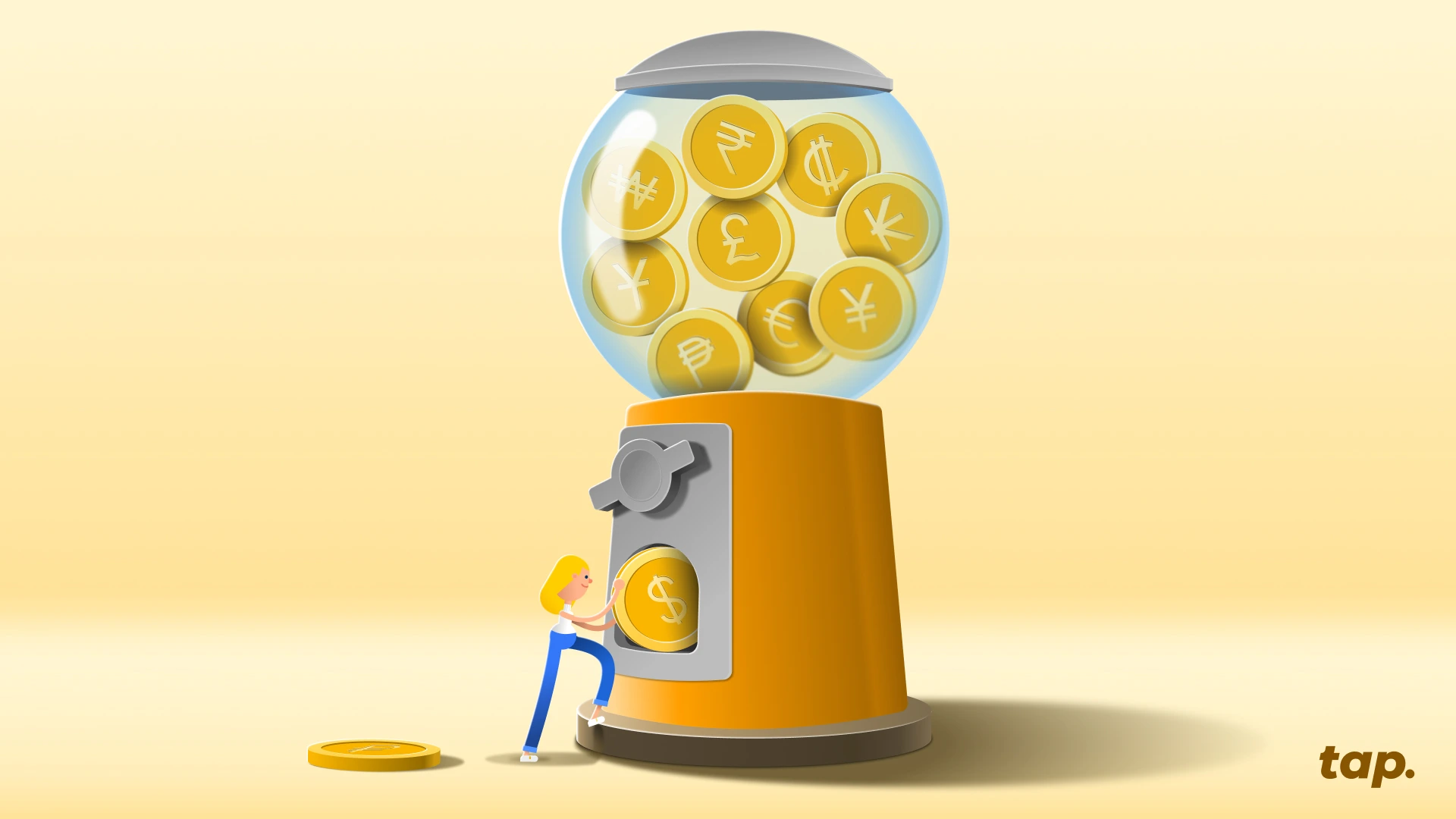
From $ to ¥ to ₿ - discover the stories, symbols, and codes behind the world’s money in this complete, easy-to-read guide to global currencies.
In our interconnected global economy, currency symbols are everywhere, whether you're planning international travel, running an e-commerce business, formatting financial documents, or simply trying to understand pricing on a foreign website. Knowing how to recognise and use currency symbols correctly is essential.
The long and the short of it is that currency symbols are shorthand notations that represent different monetary units around the world.
Unlike ISO currency codes (like USD or EUR), these symbols provide a quick visual reference that transcends language barriers. From the familiar dollar sign ($) to the Indian rupee symbol (₹), each symbol tells a story of economic identity and cultural significance.
Understanding currency symbols becomes particularly important when dealing with international transactions, creating multilingual websites, formatting invoices, or developing financial applications. They're not just academic knowledge - they're practical tools for anyone engaged in global commerce or travel.
What is a currency symbol?
A currency symbol is a graphical representation used to illustrate a specific monetary unit. These symbols serve as universal shorthand, allowing people to quickly identify and work with different currencies without needing to spell out the full currency name or remember complex three-letter codes.
For example, the dollar sign ($) immediately signals US dollars, while the euro symbol (€) represents the European Union's currency. The British pound uses (£), and the Japanese yen employs (¥). Each symbol has been carefully designed to be distinctive and memorable.
It's important to distinguish currency symbols from ISO currency codes. While the symbol for US dollars is $, the ISO code is USD. The symbol for euros is €, but the ISO code is EUR. Symbols are visual and compact, while codes are standardised three-letter abbreviations used primarily in financial systems and international banking.
Currency symbol placement rules (before or after the number?)
The placement of currency symbols relative to numbers varies significantly across countries and cultures, following local conventions rather than universal rules.
In most English-speaking countries, the symbol appears before the number: $100, £50, or A$75 for Australian dollars. However, many European countries place the symbol after the number: 100€ in France, or 50₽ in Russia.
Some currencies have unique formatting conventions. In Cape Verde, you might see 20$00, where the dollar sign appears before the decimal portion. Similarly, some Latin American countries write $20.00 or $20,00 depending on their decimal separator conventions.
When working with international documents or websites, always research the local convention for the specific country and currency you're dealing with. This attention to detail demonstrates cultural awareness and professionalism in global business communications.
Complete list of world currency symbols by region
Europe
The Americas
Asia & Pacific
Middle East
Africa
Cryptocurrencies
How to type currency symbols on your keyboard
Windows Shortcuts
- Dollar ($): Shift + 4
- Euro (€): Alt + 0128
- British Pound (£): Alt + 0163
- Japanese Yen (¥): Alt + 0165
- Cent (¢): Alt + 0162
Mac Shortcuts
- Dollar ($): Shift + 4
- Euro (€): Option + Shift + 2
- British Pound (£): Option + 3
- Japanese Yen (¥): Option + Y
- Cent (¢): Option + 4
Additional Methods
For symbols not available through keyboard shortcuts, you can use Unicode codes, copy from character maps, or use online symbol generators. Some fonts may not support all currency symbols, so consider using web-safe fonts like Arial or Times New Roman if your specific font isn’t supportive.
Currency symbols in documents and spreadsheets
Microsoft Word
Navigate to Insert > Symbols to access the complete symbol library. You can also use Alt codes or set up custom keyboard shortcuts for frequently used symbols.
Microsoft Excel
Use Format Cells > Currency to automatically apply currency formatting. Excel recognises most major currency symbols and can format numbers accordingly.
Google Docs
Go to Insert > Special Characters, then search for "currency" to find available symbols. You can also bookmark frequently used symbols for quick access.
Google Sheets
Use Format > Number > Currency to apply currency formatting. Google Sheets automatically detects your location and suggests appropriate currency symbols.
Most traded and recognised currency symbols
The most globally recognised and traded currency symbols include:
- US Dollar ($) - The world's primary reserve currency, used in international trade and forex markets
- Euro (€) - The second most traded currency, representing 19 European Union countries
- British Pound (£) - One of the oldest currencies still in use, significant in global finance
- Japanese Yen (¥ or JP¥) - Major Asian currency and key player in international markets
- Chinese Yuan (¥ or CN¥) - Rapidly growing importance in global trade and reserves
- Indian Rupee (₹) - Representing one of the world's largest economies
Closing summary
Understanding currency symbols is more than academic knowledge - it's a practical skill that enhances your ability to navigate our global economy. Whether you're travelling abroad, conducting international business, or simply trying to understand pricing on a foreign website, knowing how to recognise and properly use currency symbols will have you one step ahead.
Explore proven strategies to make money online in 2025, from freelance work to passive income, with tips for beginners and pros alike.
The internet has made earning money easier than ever - whether you want a side hustle for some extra cash or a full online business, the opportunities keep growing fast. From quick gigs to long-term passive income streams, there’s something for everyone.
But don’t expect to get rich overnight (and if someone promises you that, it’s more than likely a scam). With focus, patience, and smart moves, you can build real, sustainable income online.
This guide breaks down proven ways people are making money from home, some with zero upfront costs, others aimed at long-term growth. The trick? Find what fits your skills, time, and goals.
Let’s dive in!
1. Best ways to make money online quickly (low skill, high interest)
If you're new to making money online (see our beginners’ guide here) or need cash fast, these low-barrier options can help you start building income without any special skills. They won’t replace your 9-5, but they’re great for extra cash or to start building your online income game.
Paid online surveys
Surveys remain one of the easiest ways to start earning online. Companies pay for your honest opinion. No skills needed, just some spare time.
- Top platforms: Swagbucks, Branded Surveys, YouGov, Prolific
- Earnings: Typically £0.50-£3 per survey, 10-20 minutes each
- Tip: You’ll need to hit a payout threshold (usually £10-20) before withdrawing
Get paid to click, watch, or search
Earn small amounts doing simple online tasks like watching videos or using a search engine. It won’t replace a full income, but it adds up if you’re consistent.
- Try: Qmee, InboxPounds, Swagbucks
- Earnings: Pennies per task, but easy to do anytime
Micro-tasks
These quick gigs need human input, like data entry or web research.
- Platforms: Clickworker, Amazon Mechanical Turk, Lionbridge
- Pay: £2–£10 per hour, flexible hours
Test websites and apps
Give feedback on the usability and functionality of websites or apps.
- Sites: UserTesting, Userlytics, TryMyUI
- Pay: £8-£12 per 20-minute test
- Requirements: Good communication skills and reliable internet
Competitions and prize draws (comping)
Not guaranteed income, but some people win prizes worth thousands annually by entering competitions.
- Follow brands on social media for exclusive contests
- Use aggregator sites like LoquaxTM and MSE's Competition Corner
2. Medium-effort methods with reliable returns
These options require more skill or time investment but offer better earning potential and more engaging work.
Freelance writing and editing
Content demand is booming. If you can write clearly, this is a solid way to earn.
- Get started: Upwork, Intch, Freelancer
- Rates: Beginners £10-20/article; experienced £30-100+/hour
- Tip: Build a niche and portfolio gradually
Sell stock photos or videos
Monetise your photography/videography skills on platforms like Shutterstock or Adobe Stock.
Become a Virtual Assistant (VA)
Support businesses with admin tasks, social media, customer service, and more.
- Pay: £8-25/hour
- Build: Long-term client relationships for stable income
Sell handmade products
Use Etsy, Folksy, or Amazon Handmade to turn crafts into cash.
Sell digital products
High margins, no inventory. Popular items include Notion templates, Canva designs, ChatGPT prompts, and planners.
- Platforms: Gumroad, Etsy, Creative Market
3. Scalable and passive income streams
These take real effort up front, but once they’re set up, they can bring in steady income with little to no maintenance.
Dropshipping tips
Sell products online without inventory, using Shopify or WooCommerce.
- Profit margins: 3-7% after ads
- Requires skills in marketing and customer service
Print-on-demand
Design items like t-shirts or mugs are printed only when ordered.
- Platforms: Printful, Printify, Merch by Amazon, Redbubble
Start a blog or niche website
Earn through ads, affiliate links, sponsored content, and digital products.
- Takes roughly 6-18 months to grow, but can generate substantial passive income
Create and sell online courses
Share your expertise on platforms like Udemy, Teachable, Skillshare, or Coursera.
Write and publish ebooks
Self-publish on Kindle Direct Publishing or Smashwords. Good editing and marketing matter.
Launch a YouTube channel
Earn through ads, memberships, super chats, sponsorships, and affiliate marketing.
Side hustles that use your environment or possessions
Why not monetise what you already own?
- Rent property through Airbnb or Booking.com for significant income.
- Rent belongings like cars (Turo), equipment (Fat Llama), or parking spaces (JustPark).
- Sell unused items on Facebook Marketplace, eBay, or Vinted - many earn hundreds decluttering.
- Use cashback apps like Shoppix and TopCashback (or from your Tap card - up to 8% people) for purchases you're already making.
These options work especially well in urban areas and thankfully require minimal upfront investment.
What to watch out for
The internet is full of legitimate opportunities, but scams are unfortunately common. Protecting yourself is crucial.
Avoid scams, watch for:
- Promises of guaranteed big money with little effort
- Upfront payment requests for “training” or “kits”
- Pyramid or multi-level marketing schemes
Know your tax obligations. In the UK, you must report online income over £1,000 to HMRC. Keep good records and consider professional advice.
Understand platform rules. Check minimum payouts, fees, payment methods, and account policies before signing up. Always read the ts and cs.
Tips for success when earning online
Unlock your online earning power with these 5 no-fluff strategies:
- Use a separate email for online earning to stay organised and secure
- Track your earnings and time with a spreadsheet for insights and taxes
- Focus on higher-paying platforms and build skills accordingly
- Start small, then scale what works best for you
- Learn digital skills (SEO, copywriting, design, social media) via free online tutorials
Final thoughts
Making money online gives you freedom, but it also takes effort and patience. There’s no magic formula - some people thrive blogging, others with surveys or micro-tasks. Start small, learn, and expand gradually.
And lastly, watch out for scams, keep good records, and keep adding value. If you’ve made it this far, we believe you’re ready to take control of your online income journey!

Find out the USA country code and learn the easy steps to call the United States from abroad.
Trying to reach someone in the United States from another country? The USA country code is simpler than you might think, but getting the format wrong can leave you staring at a phone that just won't connect.
Whether you're an expat missing home, a business professional scheduling that important conference call, or a traveller trying to sort out logistics, understanding how to dial the US correctly will save you time, money, and a fair bit of frustration.
The United States shares its country code system with Canada and several Caribbean nations, which creates some unique considerations you won't find with other countries. Let's break down exactly what you need to know to connect successfully every time.
What is the country code for the USA?
The USA country code is 1. You might also see it written as 001, but these represent the same thing - both are correct ways to reference America's international dialing code.
This "1" code covers not just the United States, but also Canada and many Caribbean countries as part of the North American Numbering Plan (NANP). When dialling from overseas, you'll use this single digit followed by the area code and phone number.
Here's what a complete international call looks like: Your country's exit code + 1 + area code + phone number
Example from the UK to New York: 00-1-212-555-0123
How to call the USA from abroad: step-by-step
International calling might seem complicated, but it follows the same pattern worldwide. Here's your roadmap:
Step 1: Find your country's exit code
Different countries use different codes to "exit" their domestic system:
- UK, most of Europe: 00
- Australia: 0011
- Japan: 010
- Brazil: 0015
- China: 00
Step 2: Add the US country code (1)
After your exit code, always dial 1 for the United States.
Step 3: Include the area code
US area codes are always three digits. Don't skip this, even mobile numbers need their area code when calling from abroad.
Step 4: Dial the local number
US phone numbers have seven digits after the area code.
Complete format examples:
- From UK to Los Angeles: 00-1-310-555-7890
- From Australia to Miami: 0011-1-305-555-2468
- From Japan to Chicago: 010-1-312-555-9876
Most modern phones let you replace your country's exit code with +, making it even easier: +1-310-555-7890
What are the area codes in the USA?
Area codes are three-digit numbers that identify specific geographic regions within the US. Originally designed when operators manually connected calls, they now help route your call to the right part of the country.
Each major city typically has multiple area codes due to population growth and the explosion of mobile devices. Here are the most commonly searched codes:
Pro tip: Mobile numbers keep their original area code even when people move, so a 212 number doesn't guarantee someone is actually in Manhattan.
How to format a US phone number correctly
US phone numbers follow a standard structure, but the formatting changes depending on how you're using them:
Domestic US format:
(XXX) XXX-XXXX or XXX-XXX-XXXX Example: (555) 123-4567 or 555-123-4567
International format:
+1-XXX-XXX-XXXX Example: +1-555-123-4567
When writing for international audiences:
Always include the country code (+1) and use hyphens or spaces for clarity. Avoid parentheses around area codes in international contexts - they can confuse overseas callers.
The total length is consistent: 10 digits after the country code, with the first three being the area code.
Common mistakes when calling the US
Even experienced international callers stumble over these frequent errors:
Forgetting the exit code: Dialing 1-555-123-4567 instead of 00-1-555-123-4567 (from most countries)
Skipping the country code: Assuming you can dial just the area code and number
Wrong exit code: Using 011 (US/Canada exit code) when calling FROM other countries TO the US
Missing area codes: Trying to dial just the seven-digit local number
Carrier restrictions: Not realising your phone plan blocks international calls by default
Quick fix checklist:
Before giving up on a failed call, verify you've included: your country's exit code, the number "1", the complete area code, and all seven digits of the local number.
Can you call the USA for free?
Yes, just not the traditional way. Here are several alternatives that cost nothing beyond your internet data:
Internet-based calling options:
WhatsApp: Popular worldwide, works for both voice and video calls to US numbers
FaceTime: Perfect if both parties use Apple devices
Google Voice/Google Meet: Free calling between accounts
Facebook Messenger: Voice and video calling through the app
Viber: Good call quality with wide device compatibility
What you need:
- Reliable internet connection (Wi-Fi preferred to avoid data charges)
- Both parties must have the same app installed
- Account setup on your chosen platform
The reality check:
While these services are "free," call quality depends entirely on internet speed. For important business calls, traditional phone service might be more reliable, but for casual conversations, internet calling is hard to beat.
Best time to call the USA from abroad
The United States spans multiple time zones, which affects when your call will be welcomed:
US time zones (west to east):
- Pacific Time: California, Nevada, Washington
- Mountain Time: Colorado, Arizona, Utah
- Central Time: Texas, Illinois, Louisiana
- Eastern Time: New York, Florida, Georgia
Timing recommendations:
For business calls, target 9 AM to 5 PM in the recipient's time zone, Monday through Friday. Avoid US federal holidays like Independence Day, Thanksgiving, and Christmas.
For personal calls, evenings (6-9 PM local time) often work well, as do weekend afternoons. Avoid very early mornings or late nights unless you know the person's schedule.
Cost considerations: Some international carriers offer cheaper rates during off-peak hours. Check with your provider about specific timing for better rates.
Use online time zone converters to double-check before important calls - there's nothing more embarrassing than waking someone up at 3 AM because you miscalculated.
Emergency numbers in the USA
If you're visiting the US or need to help someone in an emergency, these numbers work from any phone:
Primary emergency services:
911: Police, fire department, ambulance (works from mobile phones even without service)
Specialised crisis lines:
988: Suicide & Crisis Lifeline (available 24/7)
1-800-222-1222: Poison Control Center
1-800-656-4673: National Sexual Assault Hotline
211: Community services and local resources
Important Notes:
Emergency services are free from any phone, including payphones and mobile devices without active service. International visitors can use these numbers just like US residents.
Wrapping up your US calling success
Calling the United States boils down to a simple formula: your exit code + 1 + area code + seven digits. Master this pattern, and you'll connect successfully whether you're calling a New York skyscraper or a small-town diner in Kansas.
Learn how to use the +49 country code to call Germany, with simple dialling steps for both domestic and international calls.
The 49 country code is your gateway to connecting with Germany from anywhere in the world, whether you're calling a business in Berlin, family in Munich, or that cozy hotel in Bavaria you're hoping to book.
Getting the dialling format right can save you from failed calls, unexpected charges, and the frustration of hearing that dreaded "the number you have dialled cannot be completed" message.
This guide breaks down everything you need to know about calling Germany, from basic dialling steps to troubleshooting common problems that trip up even the most experienced international callers.
What is the 49 country code?
The 49 country code is Germany's designated number in the international telephone system. When you want to call any German phone number from outside Germany, you must start your call with this two-digit code.
Country codes are part of a global system managed by the International Telecommunication Union (ITU) that ensures your call reaches the right country. Think of it as an international postal code for phone calls - without it, the global telephone network wouldn't know where to route your call. The 49 code covers all of Germany, including both landline and mobile numbers.
How to call Germany from the U.S. (or abroad)
Calling Germany follows a straightforward four-step process that works from any country:
Step-by-step dialing format:
- Dial your country's international exit code
- From the U.S./Canada: 011
- From most European countries: 00
- From many Asian countries: 00
- Dial Germany's country code: 49
- Dial the German area code (drop the leading zero)
- Berlin becomes 30 (not 030)
- Munich becomes 89 (not 089)
- Dial the local phone number
Complete examples:
Calling a Berlin landline from the U.S.: 011 49 30 12345678
Calling a Munich mobile from the UK: 00 49 171 1234567
Mobile phone shortcut: Most smartphones let you use the + symbol instead of your country's exit code. Just hold down the 0 key until + appears, then dial: +49 30 12345678
The key mistake many people make? Including that leading zero from the German area code. German numbers start with 0 when dialled domestically (like 030 for Berlin), but you must drop this zero for international calls.
Common area codes in Germany
Germany uses a logical area code system where major cities have shorter, memorable codes:
Remember: When calling from abroad, always use the shorter version without the leading zero.
Smaller cities and towns have longer area codes, sometimes with 4 or 5 digits. The rule remains the same - drop that leading zero when calling internationally.
Calling German mobile numbers
German mobile numbers are easy to spot once you know the pattern. They typically start with these prefixes:
- 015x (various carriers)
- 016x (O2, E-Plus)
- 017x (T-Mobile, Vodafone)
How to call a German mobile:
Format: +49 [mobile prefix] [7-digit number]
Example: +49 171 1234567
Unlike landlines, mobile numbers don't use city-based area codes. The three-digit prefix (like 171) identifies the mobile carrier, and you'll always get seven digits after that.
Cost-saving tip: Many Germans use WhatsApp extensively, so if you're calling friends or family, ask if they prefer a WhatsApp call instead. It's free with a good internet connection and often has better sound quality than traditional international calls.
Why your call to Germany might not be working
Nothing's more frustrating than a call that won't connect. Here are the most common culprits and their fixes:
Common issues:
Wrong exit code: Using 00 instead of 011 from the U.S., or vice versa
- Fix: Check your country's correct international exit code
Including the leading zero: Dialling 011 49 030 instead of 011 49 30
- Fix: Always drop the first zero from German area codes
Missing country code: Trying to dial German numbers without the 49
- Fix: Never skip the country code when calling internationally
Incorrect mobile format: Treating mobile numbers like landlines
- Fix: Remember mobile numbers don't use city area codes
Network restrictions: Your carrier blocks international calls
- Fix: Contact your provider to enable international calling
Time zone confusion: Calling during German night hours
- Fix: Germany is GMT+2, be sure to check what the time is there before trying to call
Quick troubleshooting:
Try calling a German directory service first (like +49 11833) to test if your international dialling is working properly.
Alternative ways to call Germany
Traditional phone calls aren't your only option. Several modern alternatives can save you money and often provide better call quality:
Internet-based options:
WhatsApp: Extremely popular in Germany, free voice and video calls
Google Voice: Competitive international rates from the U.S.
Viber: Free app-to-app calling with good European coverage
FaceTime: Free for iPhone/Mac users calling other Apple devices
VoIP Providers:
Companies like Vonage, RingCentral, and 8x8 offer business-grade international calling with flat-rate plans that can be cost-effective for frequent callers.
Pros and cons:
Pros: Often free or very cheap, better call quality, video calling options
Cons: Requires internet connection, both parties might need the same app
What other country codes are similar to 49?
If you're travelling in German-speaking regions or neighbouring countries, these codes might come in handy:
- Austria: +43 (German-speaking)
- Switzerland: +41 (German is one of four official languages)
- France: +33 (borders Germany)
- Netherlands: +31 (Germany's northern neighbour)
- Belgium: +32 (close to the German border)
- Denmark: +45 (borders northern Germany)
Travel tip: Some mobile carriers offer European roaming packages that can be more cost-effective than international calling if you're travelling between these countries.
Conclusion
Calling Germany doesn't have to be complicated once you understand the basics. Remember the golden rule: use 49 as your country code, drop that leading zero from area codes, and don't forget your international exit code (011 from the U.S.).
And if in doubt, those internet-based calling options can be both your wallet's and your connection quality's best friend.
Guten Tag and happy calling!
News and updates

Bitcoin's Comeback: Three Forces That Could Make or Break it
Bitcoin is a long way from reclaiming its all-time high and stuck under $92,000, but three powerful forces could flip the script sooner than you think.

The Surge After the Storm: What’s Next for Bitcoin and the Market
After a brutal October sell-off, crypto just staged one of its most dramatic comebacks yet. Here's what the market's resilience signals for what comes next.

Decoding the disconnect: America's cautious approach to crypto
Bitcoin and the broader crypto market have soared to a staggering $2.1 trillion in value, but why does skepticism still linger among so many Americans? Here is a deep dive into the current trust gap.
.webp)
How the Crypto Generation could reshape the 2024 election
Explore how the Crypto Generation's values and tech influence could shape the 2024 election and impact the future of politics.