
Learning the friendly way
Dive into our resources, guides, and articles for all things money-related. Grow your financial confidence with our experts curated tips and articles for both experienced and new investors.
Latest posts
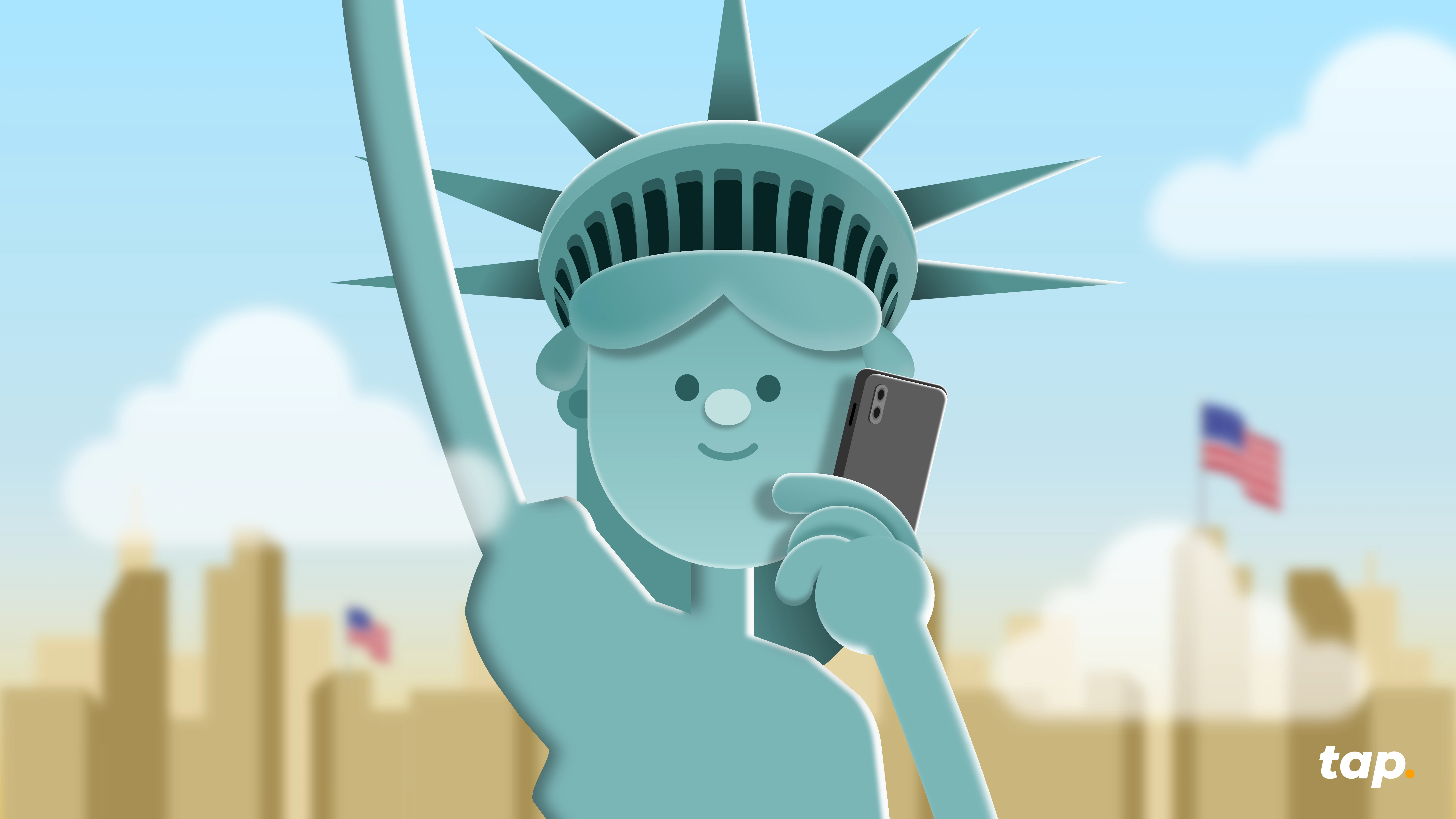
Find out the USA country code and learn the easy steps to call the United States from abroad.
Trying to reach someone in the United States from another country? The USA country code is simpler than you might think, but getting the format wrong can leave you staring at a phone that just won't connect.
Whether you're an expat missing home, a business professional scheduling that important conference call, or a traveller trying to sort out logistics, understanding how to dial the US correctly will save you time, money, and a fair bit of frustration.
The United States shares its country code system with Canada and several Caribbean nations, which creates some unique considerations you won't find with other countries. Let's break down exactly what you need to know to connect successfully every time.
What is the country code for the USA?
The USA country code is 1. You might also see it written as 001, but these represent the same thing - both are correct ways to reference America's international dialing code.
This "1" code covers not just the United States, but also Canada and many Caribbean countries as part of the North American Numbering Plan (NANP). When dialling from overseas, you'll use this single digit followed by the area code and phone number.
Here's what a complete international call looks like: Your country's exit code + 1 + area code + phone number
Example from the UK to New York: 00-1-212-555-0123
How to call the USA from abroad: step-by-step
International calling might seem complicated, but it follows the same pattern worldwide. Here's your roadmap:
Step 1: Find your country's exit code
Different countries use different codes to "exit" their domestic system:
- UK, most of Europe: 00
- Australia: 0011
- Japan: 010
- Brazil: 0015
- China: 00
Step 2: Add the US country code (1)
After your exit code, always dial 1 for the United States.
Step 3: Include the area code
US area codes are always three digits. Don't skip this, even mobile numbers need their area code when calling from abroad.
Step 4: Dial the local number
US phone numbers have seven digits after the area code.
Complete format examples:
- From UK to Los Angeles: 00-1-310-555-7890
- From Australia to Miami: 0011-1-305-555-2468
- From Japan to Chicago: 010-1-312-555-9876
Most modern phones let you replace your country's exit code with +, making it even easier: +1-310-555-7890
What are the area codes in the USA?
Area codes are three-digit numbers that identify specific geographic regions within the US. Originally designed when operators manually connected calls, they now help route your call to the right part of the country.
Each major city typically has multiple area codes due to population growth and the explosion of mobile devices. Here are the most commonly searched codes:
Pro tip: Mobile numbers keep their original area code even when people move, so a 212 number doesn't guarantee someone is actually in Manhattan.
How to format a US phone number correctly
US phone numbers follow a standard structure, but the formatting changes depending on how you're using them:
Domestic US format:
(XXX) XXX-XXXX or XXX-XXX-XXXX Example: (555) 123-4567 or 555-123-4567
International format:
+1-XXX-XXX-XXXX Example: +1-555-123-4567
When writing for international audiences:
Always include the country code (+1) and use hyphens or spaces for clarity. Avoid parentheses around area codes in international contexts - they can confuse overseas callers.
The total length is consistent: 10 digits after the country code, with the first three being the area code.
Common mistakes when calling the US
Even experienced international callers stumble over these frequent errors:
Forgetting the exit code: Dialing 1-555-123-4567 instead of 00-1-555-123-4567 (from most countries)
Skipping the country code: Assuming you can dial just the area code and number
Wrong exit code: Using 011 (US/Canada exit code) when calling FROM other countries TO the US
Missing area codes: Trying to dial just the seven-digit local number
Carrier restrictions: Not realising your phone plan blocks international calls by default
Quick fix checklist:
Before giving up on a failed call, verify you've included: your country's exit code, the number "1", the complete area code, and all seven digits of the local number.
Can you call the USA for free?
Yes, just not the traditional way. Here are several alternatives that cost nothing beyond your internet data:
Internet-based calling options:
WhatsApp: Popular worldwide, works for both voice and video calls to US numbers
FaceTime: Perfect if both parties use Apple devices
Google Voice/Google Meet: Free calling between accounts
Facebook Messenger: Voice and video calling through the app
Viber: Good call quality with wide device compatibility
What you need:
- Reliable internet connection (Wi-Fi preferred to avoid data charges)
- Both parties must have the same app installed
- Account setup on your chosen platform
The reality check:
While these services are "free," call quality depends entirely on internet speed. For important business calls, traditional phone service might be more reliable, but for casual conversations, internet calling is hard to beat.
Best time to call the USA from abroad
The United States spans multiple time zones, which affects when your call will be welcomed:
US time zones (west to east):
- Pacific Time: California, Nevada, Washington
- Mountain Time: Colorado, Arizona, Utah
- Central Time: Texas, Illinois, Louisiana
- Eastern Time: New York, Florida, Georgia
Timing recommendations:
For business calls, target 9 AM to 5 PM in the recipient's time zone, Monday through Friday. Avoid US federal holidays like Independence Day, Thanksgiving, and Christmas.
For personal calls, evenings (6-9 PM local time) often work well, as do weekend afternoons. Avoid very early mornings or late nights unless you know the person's schedule.
Cost considerations: Some international carriers offer cheaper rates during off-peak hours. Check with your provider about specific timing for better rates.
Use online time zone converters to double-check before important calls - there's nothing more embarrassing than waking someone up at 3 AM because you miscalculated.
Emergency numbers in the USA
If you're visiting the US or need to help someone in an emergency, these numbers work from any phone:
Primary emergency services:
911: Police, fire department, ambulance (works from mobile phones even without service)
Specialised crisis lines:
988: Suicide & Crisis Lifeline (available 24/7)
1-800-222-1222: Poison Control Center
1-800-656-4673: National Sexual Assault Hotline
211: Community services and local resources
Important Notes:
Emergency services are free from any phone, including payphones and mobile devices without active service. International visitors can use these numbers just like US residents.
Wrapping up your US calling success
Calling the United States boils down to a simple formula: your exit code + 1 + area code + seven digits. Master this pattern, and you'll connect successfully whether you're calling a New York skyscraper or a small-town diner in Kansas.
Learn how to use the +49 country code to call Germany, with simple dialling steps for both domestic and international calls.
The 49 country code is your gateway to connecting with Germany from anywhere in the world, whether you're calling a business in Berlin, family in Munich, or that cozy hotel in Bavaria you're hoping to book.
Getting the dialling format right can save you from failed calls, unexpected charges, and the frustration of hearing that dreaded "the number you have dialled cannot be completed" message.
This guide breaks down everything you need to know about calling Germany, from basic dialling steps to troubleshooting common problems that trip up even the most experienced international callers.
What is the 49 country code?
The 49 country code is Germany's designated number in the international telephone system. When you want to call any German phone number from outside Germany, you must start your call with this two-digit code.
Country codes are part of a global system managed by the International Telecommunication Union (ITU) that ensures your call reaches the right country. Think of it as an international postal code for phone calls - without it, the global telephone network wouldn't know where to route your call. The 49 code covers all of Germany, including both landline and mobile numbers.
How to call Germany from the U.S. (or abroad)
Calling Germany follows a straightforward four-step process that works from any country:
Step-by-step dialing format:
- Dial your country's international exit code
- From the U.S./Canada: 011
- From most European countries: 00
- From many Asian countries: 00
- Dial Germany's country code: 49
- Dial the German area code (drop the leading zero)
- Berlin becomes 30 (not 030)
- Munich becomes 89 (not 089)
- Dial the local phone number
Complete examples:
Calling a Berlin landline from the U.S.: 011 49 30 12345678
Calling a Munich mobile from the UK: 00 49 171 1234567
Mobile phone shortcut: Most smartphones let you use the + symbol instead of your country's exit code. Just hold down the 0 key until + appears, then dial: +49 30 12345678
The key mistake many people make? Including that leading zero from the German area code. German numbers start with 0 when dialled domestically (like 030 for Berlin), but you must drop this zero for international calls.
Common area codes in Germany
Germany uses a logical area code system where major cities have shorter, memorable codes:
Remember: When calling from abroad, always use the shorter version without the leading zero.
Smaller cities and towns have longer area codes, sometimes with 4 or 5 digits. The rule remains the same - drop that leading zero when calling internationally.
Calling German mobile numbers
German mobile numbers are easy to spot once you know the pattern. They typically start with these prefixes:
- 015x (various carriers)
- 016x (O2, E-Plus)
- 017x (T-Mobile, Vodafone)
How to call a German mobile:
Format: +49 [mobile prefix] [7-digit number]
Example: +49 171 1234567
Unlike landlines, mobile numbers don't use city-based area codes. The three-digit prefix (like 171) identifies the mobile carrier, and you'll always get seven digits after that.
Cost-saving tip: Many Germans use WhatsApp extensively, so if you're calling friends or family, ask if they prefer a WhatsApp call instead. It's free with a good internet connection and often has better sound quality than traditional international calls.
Why your call to Germany might not be working
Nothing's more frustrating than a call that won't connect. Here are the most common culprits and their fixes:
Common issues:
Wrong exit code: Using 00 instead of 011 from the U.S., or vice versa
- Fix: Check your country's correct international exit code
Including the leading zero: Dialling 011 49 030 instead of 011 49 30
- Fix: Always drop the first zero from German area codes
Missing country code: Trying to dial German numbers without the 49
- Fix: Never skip the country code when calling internationally
Incorrect mobile format: Treating mobile numbers like landlines
- Fix: Remember mobile numbers don't use city area codes
Network restrictions: Your carrier blocks international calls
- Fix: Contact your provider to enable international calling
Time zone confusion: Calling during German night hours
- Fix: Germany is GMT+2, be sure to check what the time is there before trying to call
Quick troubleshooting:
Try calling a German directory service first (like +49 11833) to test if your international dialling is working properly.
Alternative ways to call Germany
Traditional phone calls aren't your only option. Several modern alternatives can save you money and often provide better call quality:
Internet-based options:
WhatsApp: Extremely popular in Germany, free voice and video calls
Google Voice: Competitive international rates from the U.S.
Viber: Free app-to-app calling with good European coverage
FaceTime: Free for iPhone/Mac users calling other Apple devices
VoIP Providers:
Companies like Vonage, RingCentral, and 8x8 offer business-grade international calling with flat-rate plans that can be cost-effective for frequent callers.
Pros and cons:
Pros: Often free or very cheap, better call quality, video calling options
Cons: Requires internet connection, both parties might need the same app
What other country codes are similar to 49?
If you're travelling in German-speaking regions or neighbouring countries, these codes might come in handy:
- Austria: +43 (German-speaking)
- Switzerland: +41 (German is one of four official languages)
- France: +33 (borders Germany)
- Netherlands: +31 (Germany's northern neighbour)
- Belgium: +32 (close to the German border)
- Denmark: +45 (borders northern Germany)
Travel tip: Some mobile carriers offer European roaming packages that can be more cost-effective than international calling if you're travelling between these countries.
Conclusion
Calling Germany doesn't have to be complicated once you understand the basics. Remember the golden rule: use 49 as your country code, drop that leading zero from area codes, and don't forget your international exit code (011 from the U.S.).
And if in doubt, those internet-based calling options can be both your wallet's and your connection quality's best friend.
Guten Tag and happy calling!
Discover Ireland’s country code for phone calls in 2025, plus tips on how to dial in and out of Ireland correctly from any location.
Need to call Ireland but not sure how to dial correctly? You're in the right place. Ireland's country code is +353, and knowing how to use it properly can save you from those awkward moments when your call doesn't go through (and your phone bill doesn't thank you either).
Whether you're calling family in Dublin, conducting business in Cork, or trying to reach that charming B&B in Galway, this guide covers everything you need to know about dialling Ireland correctly. We'll walk you through the step-by-step process, common mistakes to avoid, and even some free calling options that won't break the bank.
What is the country code for Ireland?
Ireland's country code is 353. This three-digit number is what you need to dial when calling Ireland from any other country around the world.
Country codes are part of the international telephone numbering system, designed to route calls to the correct country. Think of them as postal codes for phone calls - they tell the network exactly where your call needs to go. Ireland's 353 code has been in use since the country established its modern telecommunications system.
For reference, Ireland's ISO country codes are IE (alpha-2) and IRL (alpha-3), which you might see used in forms, websites, or official documentation.
How to call Ireland from abroad
Calling Ireland follows a simple three-step formula that works from anywhere in the world:
International Access Code → Country Code → Local Number
Here's how it breaks down:
- Dial your country's international access code (011 from the US/Canada, 00 from most European countries)
- Add Ireland's country code: 353
- Dial the local number, dropping the initial "0"
Examples in Action:
From the US to Dublin: 011 353 1 234 5678
From the UK to Cork: 00 353 21 234 5678
From Germany to Galway: 00 353 91 234 5678
The key thing to remember? Always drop that initial "0" from Irish area codes when calling from abroad. Irish numbers start with 0 when dialled domestically (like 01 for Dublin), but you skip this zero for international calls.
Ireland area codes (most common by city)
Here are the most important area codes you'll need when calling different parts of Ireland:
City/region - area code
Dublin - 01
Cork - 21
Limerick - 61
Galway - 91
Waterford - 51
Drogheda - 41
Dundalk - 42
Wexford - 53
Kilkenny - 56
Athlone - 90
Sligo - 71
Letterkenny - 74
Tralee - 66
Ennis - 65
Carlow - 59
Important note: Irish mobile numbers (starting with 08) don't use area codes. You simply dial the full mobile number after the country code.
How to call Ireland from a mobile phone
Mobile phones make international calling even simpler. Instead of remembering different international access codes, you can use the universal + symbol:
Format: +353 [area code] [local number]
Examples:
- To Dublin mobile: +353 87 123 4567
- To Cork landline: +353 21 234 5678
Most smartphones automatically recognise the + symbol when you hold down the "0" key. This method works regardless of which country you're calling from - no need to remember whether it's 011, 00, or something else.
How to call Ireland for free
Who doesn't love a good bargain? Several apps and services let you call Ireland without traditional phone charges:
Internet-based calling:
- WhatsApp: Free voice and video calls (both parties need the app)
- FaceTime: Free for Apple users calling other Apple devices
- Google Meet: Free voice and video calling
- Viber: Free app-to-app calls worldwide
Pros and cons:
Pros: Completely free (just uses your internet data), often better call quality than traditional calls Cons: Both parties need the same app and a reliable internet connection
These options work brilliantly for staying in touch with friends and family, though you might still need traditional calling for businesses or official services.
Common reasons why calls to Ireland fail
Nothing's more frustrating than a call that won't connect. Here are the usual suspects and quick fixes:
Wrong country code: Double-check you're using 353, not 533 or any other combination Incorrect area code: Check that the area code matches the city you're calling
Missing digits: Irish landlines typically have 7 digits after the area code, mobiles have 7 digits after 08
Forgot to drop the zero: Remember to skip the initial "0" when calling from abroad
No international plan: Check with your provider; some plans block international calls by default
Network issues: Try calling from a different location or wait and try again
Pro tip: If you're still having trouble, try calling an Irish directory service first to test your connection.
What time is best to call Ireland?
Ireland follows Greenwich Mean Time (GMT) in winter and Irish Standard Time (GMT+1) during daylight saving time (March to October).
For business calls: Aim for 9 AM to 5 PM Irish time, Monday through Friday
For personal calls: Consider that Irish folks often have dinner around 6-7 PM, so early evening can work well
Always use a time zone converter when scheduling important calls - there's nothing quite like waking up your Irish colleague at 3am because you miscalculated the time difference.
Emergency and service numbers in Ireland
In case you ever need them, here are Ireland's essential service numbers:
- 112 and 999: Emergency services (police, fire, ambulance)
- 116000: Missing child helpline
- 116123: Emotional support helpline
These numbers are free to call from any phone in Ireland and should only be used for genuine emergencies or crises.
Conclusion
Calling Ireland is straightforward once you know the basics: use country code 353, remember to drop the initial zero from area codes, and don't forget about free internet-based calling options. Whether you're planning a business call to Dublin or want to check in with a B&B in the countryside, following these simple steps will ensure your calls connect smoothly.
For the best experience, double-check the local time before calling and keep a time zone converter handy. With these tools in your back pocket, you'll be chatting away like a pro in no time. Sláinte to successful calls!

Learn how to call UK numbers from abroad using the +44 country code. Get dialling formats, area codes, mobile tips & common mistakes to avoid.
Need to call someone in the United Kingdom from abroad? You'll need to use the 44 country code to connect successfully. Whether you're reaching friends, family, or business contacts in England, Scotland, Wales, or Northern Ireland, understanding how to properly dial UK numbers is essential for international communication.
What is the 44 country code?
The 44 country code is the international dialling code assigned to the UK by the International Telecommunication Union (ITU). When you're calling from any other country, you must prefix the local UK number with 44 to route your call through the international telephone network.
Here's what you need to know about country code 44:
- Covers the entire UK: England, Scotland, Wales, and Northern Ireland
- Must replace the leading zero: UK numbers start with 0 domestically, but you drop this when using 44
- Works for all UK numbers: landlines, mobiles, and business lines
- Required for international calls: You cannot reach UK numbers from abroad without using 44
The key rule to remember is that when you use country code 44, you must omit the leading '0' that appears in all UK phone numbers when dialled domestically. For example, a London number that appears as 020 7946 0958 within the UK becomes +44 20 7946 0958 when called internationally.
How to call the UK from abroad
The standard format for calling UK numbers internationally follows this pattern:
[International Exit Code] + [44] + [Area Code without 0] + [Local Number]
Your international exit code depends on which country you're calling from:
From the United States or Canada:
- Dial: 011 + 44 + UK number (without the leading 0)
- Example: To call London number 020 7946 0958, dial 011 44 20 7946 0958
From European Union countries:
- Dial: 00 + 44 + UK number (without the leading 0)
- Example: From Germany to the same London number, dial 00 44 20 7946 0958
From India:
- Dial: 00 + 44 + UK number (without the leading 0)
- Example: 00 44 20 7946 0958
From Australia:
- Dial: 0011 + 44 + UK number (without the leading 0)
- Example: 0011 44 20 7946 0958
Hot tip: Most modern smartphones allow you to use the '+' symbol instead of your country's exit code. Simply dial +44 followed by the UK number without the leading zero.
UK area codes you need to know (landlines)
Understanding UK area codes for landline numbers helps you identify which region you're calling and ensures you dial correctly. Here are the major UK area codes you'll encounter:
Remember that these area codes appear after the 44 country code and never include the initial 0 that you see in domestic UK dialling.
Common mistakes when dialling UK numbers
Avoid these frequent mistakes that prevent successful connections to UK numbers:
Including the leading zero: The most common mistake is dialling +44 0 followed by the rest of the number. This creates an invalid number format that won't connect.
Using incorrect exit codes: Each country has its own international exit code. Using 00 when calling from the US (which requires 011) will result in call failure.
Incomplete area codes: Some callers truncate area codes, especially longer ones like Birmingham's 121. Always include the complete area code after 44.
Network restrictions: Your mobile carrier or VoIP service might block international calls by default. Check with your provider if calls aren't connecting despite correct dialling.
Time zone confusion: Calling during UK nighttime hours may result in unanswered calls, even if your dialling format is correct.
How to call UK mobile numbers using 44
UK mobile numbers follow a specific format that's important to understand for international calling. All UK mobile numbers begin with 07 when dialled domestically, which becomes 447 in international format.
UK Mobile Number Structure:
- Domestic format: 07XXX XXXXXX
- International format: +44 7XXX XXXXXX
Examples of calling UK mobile numbers:
- From US: 011 44 7700 900123
- From EU: 00 44 7700 900123
- Using + symbol: +44 7700 900123
When saving UK mobile numbers in your phone's contacts, use the international format (+44 7XXX XXXXXX) so the number works whether you're calling domestically within the UK or internationally from abroad.
Free ways to call the UK
Before paying for expensive international calls, consider these free alternatives:
Voice over Internet Protocol (VoIP) Apps:
- WhatsApp: Free voice and video calls over WiFi or data
- FaceTime: Free for iPhone/iPad/Mac users
- Google Meet: Free video calls with phone dial-in options
- Viber: Free calls between Viber users
When VoIP works best:
- Both parties have stable internet connections
- Calling friends or family who use smartphones
- Non-urgent conversations where call quality fluctuations are acceptable
When traditional calling is better:
- Emergency situations requiring immediate connection
- Business calls where professional quality is essential
- Calling landlines or people without smartphones
- Areas with poor internet connectivity
Emergency numbers and special codes in the UK
Understanding UK number types helps you dial correctly and know what to expect:
Emergency Numbers:
- 999: Primary emergency number (police, fire, ambulance)
- 112: European emergency number (works in UK)
- 101: Non-emergency police contact
When calling emergency numbers from abroad, you still need to use +44, but these calls receive priority routing. However, for true emergencies while visiting the UK, calling locally using 999 or 112 is faster than international routing.
Best time to call the UK from other countries
Timing your calls appropriately ensures better connection rates and recipient availability:
UK Time Zone: Greenwich Mean Time (GMT) in winter, British Summer Time (BST/GMT+1) in summer
Business Hours: Generally 9:00 AM to 5:00 PM, Monday through Friday
Optimal Calling Windows by Region:
From US East Coast:
- UK morning (9 AM-12 PM) = US early morning (4 AM-7 AM)
- UK afternoon (1 PM-5 PM) = US morning (8 AM-12 PM)
From US West Coast:
- UK morning = US very early morning (1 AM-4 AM)
- UK afternoon = US early morning (5 AM-9 AM)
From India:
- UK morning = India afternoon (2:30 PM-5:30 PM)
- UK evening = India late evening (9:30 PM-12:30 AM)
From Australia (Sydney):
- UK morning = Australia evening (8 PM-11 PM)
- UK evening = Australia early morning (2 AM-5 AM)
Lastly
Understanding the 44 country code system ensures your international calls to the UK connect successfully every time. Whether you're calling London business contacts, relatives in Edinburgh, or friends in Cardiff, following these guidelines will help you communicate effectively across international boundaries.
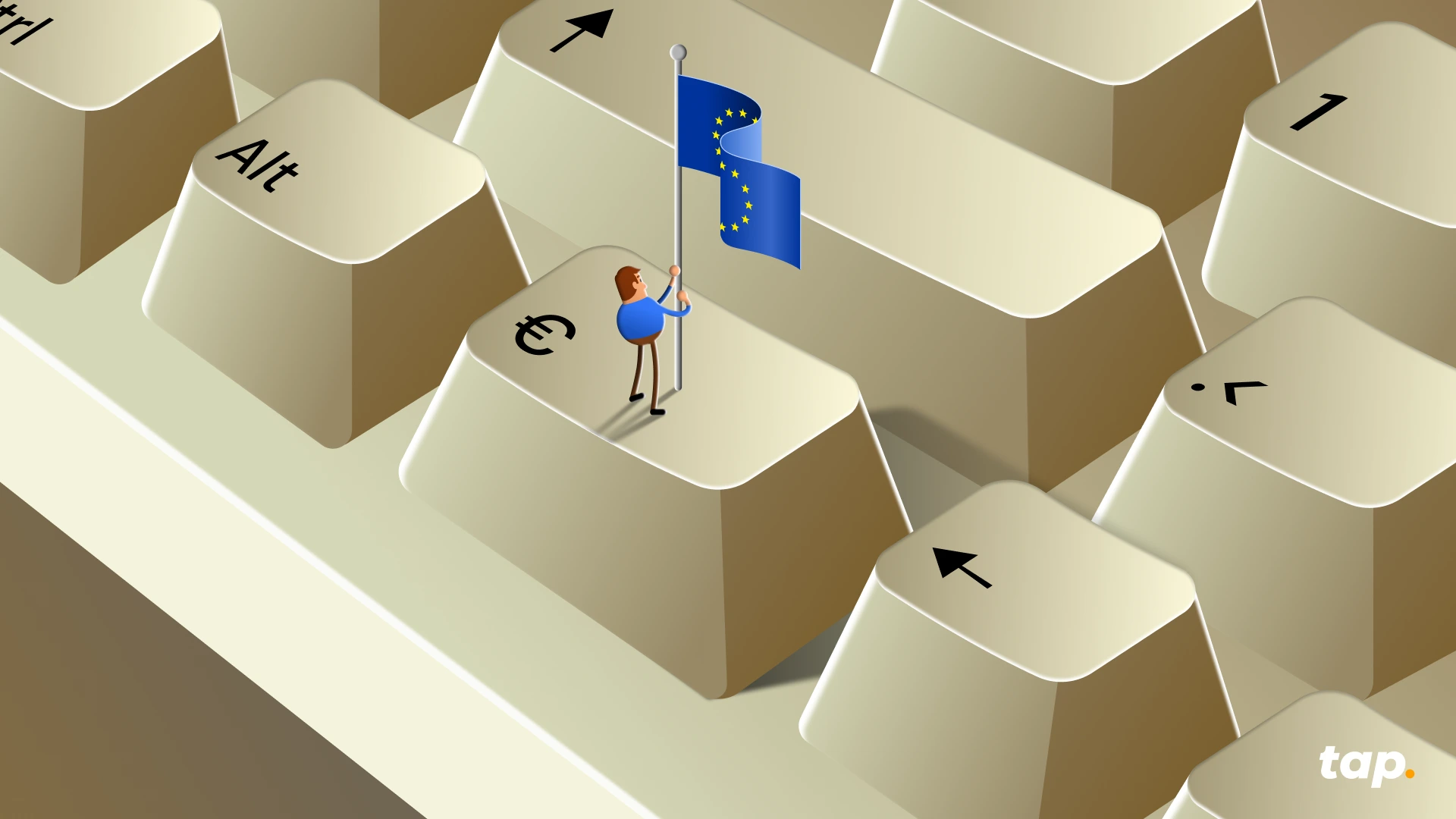
Learn how to type the euro symbol (€) on any keyboard - Windows, Mac, or mobile. Quick shortcuts, pro tips, and why €10 beats 10€.
Ever stared at your keyboard, spotted that little € symbol next to the 4, pressed it confidently, and watched a stubborn $ appear instead? You're not alone. This familiar frustration has a simple solution that flows smoother than you'd expect.
How to type the euro symbol (€) on a UK keyboard
The magic combination is Alt Gr + 4. Hold down the Alt Gr key (that's the right-hand Alt key) and tap 4. Like clockwork, your € appears.
Can't find Alt Gr? No worries. Ctrl + Alt + 4 delivers the same result. These shortcuts work regardless of whether the euro symbol actually appears on your 4 key - many UK keyboards show it, but the method works universally.
This common keyboard quirk happens because your system defaults to the dollar sign, but the euro lives just beneath the surface, waiting for the right key combination to unleash its glory.
Euro symbol keyboard shortcuts (Windows & Mac)
Windows Users
- Alt Gr + 4 – The primary method
- Ctrl + Alt + 4 – Alternative when Alt Gr feels awkward
- Alt + 0128 – Number pad method (requires NumLock on)
Mac Users
- Option + 2 – Clean and simple
- Option + Shift + 2 – For US keyboard layouts
- Unicode method: Type 20AC, then press Enter for instant conversion
Each method has its rhythm. Find the one that feels natural for you and let muscle memory take over.
No euro key? Here's what to do
Keyboard layouts dance to different beats. Some show € next to the E key, others place it on 5, and some hide it entirely. Where it sits doesn't matter – the shortcuts still work their magic.
Trust the Alt Gr + 4 combination even when your eyes can't see the symbol. Your keyboard knows where the euro lives.
For keyboards without Alt Gr, the Alt + 0128 using your number pad becomes your reliable backup. Just ensure NumLock glows green before you begin.
Using the Character Map or Word Processor features
Sometimes you need to take the scenic route through your software's built-in tools.
Windows Character Map
Navigate to Start Menu → Character Map. Type "euro" in the search box, select €, and click Insert. It flows directly into your active document.
Microsoft Word & Google Docs
Head to Insert → Symbol (Word) or Insert → Special Characters (Google Docs). The euro symbol sits waiting in the currency section, ready for a simple click.
AutoCorrect Shortcut
Create your own shortcut by setting AutoCorrect to replace "EUR" with "€". Type three letters, watch them transform automatically into the symbol you need.
Typing the euro sign on mobile devices
Mobile keyboards simplify the process beautifully. Switch to your symbols or numbers keyboard, then long-press the $ symbol. A menu of currency options will come up, then select €.
This method works consistently across iOS and Android devices, making currency symbols as accessible as regular letters.
Copy and paste the euro symbol
When shortcuts fail or time runs short, the simplest solution often proves most efficient: € Copy this symbol and paste it wherever needed..
What does the euro symbol (€) mean?
For those looking to learn something new today: the euro symbol is based on the Greek letter epsilon (ε), representing both Europe and economic stability. The two horizontal lines symbolise the currency's strength and unity.
The European Commission selected this design in 1995, choosing a symbol that would flow naturally alongside other currency marks while maintaining its distinctive European identity.
Does the euro sign go before or after the number?
The euro symbol sits before the number with no space between: €10, €250, €1,000.
This placement follows the standard European layout, keeping things clean, easy to read, and making the numbers flow better for readers worldwide.

Explore the world’s weakest currencies in 2025 - from Lebanon’s collapse to Vietnam’s strategic devaluation - and what these exchange rates reveal about global economics.
Money talks, but some currencies whisper so quietly you need a magnifying glass to hear them. In the grand theatre of global finance, not all currencies are created equal, while some strut around like peacocks (looking at you, Kuwaiti Dinar), others shuffle about with the confidence of a wet paper bag.
The Lebanese Pound (LBP) currently holds the unfortunate distinction of being the world's weakest currency in 2025, with an exchange rate so low that one U.S. dollar equals approximately 89,500 Lebanese pounds. To put this in perspective, you'd need a small suitcase to carry the equivalent of $100 in Lebanese pounds, assuming you could find enough physical notes.
Currency weakness isn't just about having a lot of zeros after the decimal point. It reflects a complex web of economic factors, including inflation rates, political stability, monetary policy decisions, and investor confidence. This guide on the world's weakest currencies in 2025, explores the economic stories behind their struggles and what it means for the countries (and the people) who use them.
Top 10 weakest currencies in the world (2025)
Here's the lineup of currencies that make your wallet feel surprisingly heavy when travelling abroad:
Exchange rates are approximate and fluctuate daily. Data compiled from multiple financial sources as of July 2025.
What makes a currency weak?
Before we roll our eyes at long strings of zeros, let’s get clear on what actually drives currency weakness.
Exchange rates show how much of one currency you need to buy another, usually measured against the U.S. dollar. But a low exchange rate isn’t automatically a red flag. Just like shoe sizes, bigger numbers aren’t necessarily worse, they’re just different.
The real reasons a currency weakens?
- Persistent inflation that eats away at value
- Short-term monetary policies that undermine long-term confidence
- Trade imbalances and shrinking foreign reserves
- Political instability that rattles investor trust
When investors lose faith, money moves fast, and exchange rates feel the impact. In short, weak currencies aren’t a punchline, they’re a signal of deeper economic tension.
Country spotlights - case studies behind the weakest currencies
Lebanon | A financial collapse without precedent
Lebanon’s currency crisis is a case study in how not to run an economy. As of mid-2025, the Lebanese pound trades at over 89,500 LBP per USD, making it one of the weakest currencies in the world.
The collapse stemmed from a banking sector that functioned like a state-sponsored Ponzi scheme: banks attracted deposits with sky-high interest rates, only to lend most of those funds to a debt-laden government. When confidence evaporated, the system imploded. Add in the 2019 mass protests and the devastating 2020 Beirut port explosion, and the result was economic freefall.
Today, Lebanese citizens navigate a surreal economy where ATMs limit withdrawals to tiny amounts, and many businesses have shifted to unofficial dollar pricing. A shadow economy thrives alongside the official one, proof that when trust in institutions fails, people find their own workarounds.
Iran | Sanctions, inflation, and isolation
The Iranian rial now trades at over 1,000,000 IRR per USD (yes, that's six zeros). Sanctions have cut Iran off from the global financial system, leaving its oil-rich economy unable to fully monetise its most valuable resource.
It's like owning a garage full of Ferraris with no keys to drive them. In response, Iran has attempted to bypass sanctions with crypto experiments and barter agreements, but none have stabilised the currency.
Inflation routinely exceeds 40%, and as a result Iranians have turned to gold, property, and U.S. dollars to preserve what little value they can. In a country known for its resilience, the rial’s collapse remains a stark reminder of the long-term costs of economic isolation.
Vietnam | Weak by design, not disaster
The Vietnamese dong trades at around 26,000 VND per USD, but that doesn’t signal a crisis, it actually reflects deliberate policy. Vietnam maintains a weaker currency to keep exports competitive, a strategy known as competitive devaluation.
This has helped transform Vietnam into a global manufacturing hub, attracting companies looking to diversify away from China. It's like running a permanent sale on your national output - foreign buyers love the prices, and Vietnamese factories stay busy.
The challenge lies in balance. The government works to avoid the inflation traps that have plagued other countries on this list, proving that not all weak currencies come from failure, some are tools of long-term economic strategy.
Laos | Trapped by debt and dependency
The Laotian kip now trades at around 21,800 LAK per USD, weighed down by inflation above 25% and a debt-to-GDP ratio over 125%. Much of that debt is owed to China, tied to major infrastructure projects that haven’t yet paid off economically.
Laos is a landlocked nation with limited industrial capacity and high import dependence, leaving its currency exposed whenever commodity prices shift. With little monetary wiggle room, the kip’s trajectory reflects deeper economic vulnerabilities.
Sierra Leone | A currency redefined, but still fragile
In 2022, Sierra Leone redenominated its currency, removing three zeros from the leone to simplify transactions. But even the new leone remains weak due to decades of disruption: civil war, the Ebola outbreak, COVID-19, and swings in diamond prices.
This is an economy that's faced shock after shock, and recovery is slow. The mining sector, especially diamonds, still dominates, leaving the leone vulnerable to commodity price drops.
Healthcare challenges and limited infrastructure add even more pressure, reducing productivity and increasing fiscal strain. The leone’s weakness tells the story of a country rebuilding piece by piece, with its currency reflecting both the past and the uphill path ahead.
Why some countries choose to keep their currency weak
Believe it or not, some countries actually prefer their currencies to be weaker - and for good economic reasons. It's counterintuitive, like preferring to drive in the slow lane, but the strategy can be remarkably effective.
Export competitiveness represents the primary motivation. A weaker currency makes domestic products cheaper for foreign buyers, essentially providing a permanent discount. German cars might be excellent, but if Vietnamese motorcycles cost 70% less due to currency differences, guess which ones developing countries will buy?
Countries like China famously maintained an artificially weak currency for decades, helping fuel their manufacturing boom. The strategy worked so well that other countries accused them of "currency manipulation" - the economic equivalent of being too good at a game and getting accused of cheating.
However, this approach carries significant risks. Import costs rise dramatically, making everything from oil to smartphones more expensive for domestic consumers
Long-term currency weakness can also trigger capital flight, where wealthy citisens move their money abroad. When your own citisens don't trust your currency, convincing foreigners becomes considerably more challenging.
Does a weak currency mean a weak economy?
We’ve established that a weak currency doesn't automatically signal economic disaster,sometimes it's just a reflection of different economic structures and historical circumstances.
Indonesia and Vietnam serve as the best examples of countries with numerically weak currencies but relatively strong economies. Both nations have achieved consistent growth, reduced poverty, and built increasingly diversified economies despite their currencies requiring calculators to count properly.
The key lies in purchasing power parity - what matters isn't how many zeros follow your currency symbol, but what those zeros can actually buy. A Vietnamese worker earning 10 million dong monthly isn't necessarily poor if that amount provides a comfortable living standard within the Vietnamese economy.
The real measure of economic health involves factors like employment rates, productivity growth, infrastructure development, and living standards. A country with a weak currency but growing wages, improving infrastructure, and expanding opportunities may be economically healthier than a nation with a strong currency but declining industries and rising unemployment.
What are the consequences of a weak currency?
In essence, a weak currency makes daily life more expensive, with rising prices on imports like food, fuel, and electronics. Added into the mix, Inflation erodes savings, and capital flight accelerates as people move their money into more stable currencies.
Over time, foreign currencies may replace the local one in everyday use, limiting government control. Internationally, weak currencies hurt credit ratings and investor confidence, reinforcing instability.
Final thoughts
Currency weakness is more than just numbers, it’s a signal. We’ve learnt above that it can both expose deep economic flaws or reflect deliberate strategies for growth. Lebanon and Iran highlight how instability and isolation can erode value fast, while Vietnam shows how weakness can fuel exports and development.
These disparities then shape the country’s trade, capital flows, and financial stability worldwide, causing a wider ripple effect. In a global economy, no currency moves alone; each affects the rest. And behind every weak currency are real people navigating inflation, opportunity, or uncertainty.
News and updates

Bitcoin's Comeback: Three Forces That Could Make or Break it
Bitcoin is a long way from reclaiming its all-time high and stuck under $92,000, but three powerful forces could flip the script sooner than you think.

The Surge After the Storm: What’s Next for Bitcoin and the Market
After a brutal October sell-off, crypto just staged one of its most dramatic comebacks yet. Here's what the market's resilience signals for what comes next.

Decoding the disconnect: America's cautious approach to crypto
Bitcoin and the broader crypto market have soared to a staggering $2.1 trillion in value, but why does skepticism still linger among so many Americans? Here is a deep dive into the current trust gap.
.webp)
How the Crypto Generation could reshape the 2024 election
Explore how the Crypto Generation's values and tech influence could shape the 2024 election and impact the future of politics.