
Learning the friendly way
Dive into our resources, guides, and articles for all things money-related. Grow your financial confidence with our experts curated tips and articles for both experienced and new investors.
Latest posts

Crypto whales hold billions in Bitcoin and can move markets with a single trade. Discover who they are and why their moves matter.
You’ve probably heard whispers about the "whales" swimming in the crypto seas. But these aren’t your typical marine mammals. They’re the ultra-wealthy folks and organizations holding massive amounts of digital currency.
What Exactly is a Crypto Whale?
So, what makes someone a crypto whale? There’s no hard-and-fast rule, but it generally comes down to owning a huge chunk of a coin’s total supply. If we’re talking over 10% of the available coins for a particular cryptocurrency, then that’s an ocean-sized wallet!
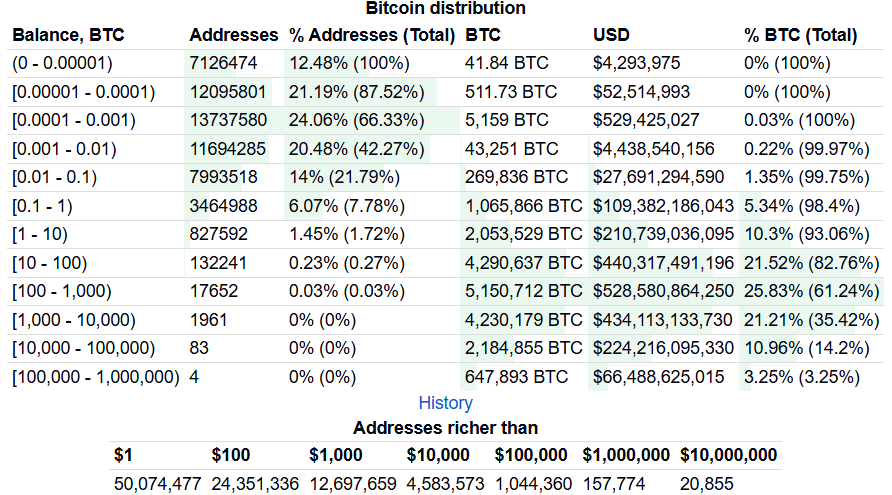
Take Bitcoin, for example. In October 2025, the wealthiest addresses controlled over 14% of all Bitcoin in existence. From Satoshi Nakamoto himself to MicroStrategy. Now that’s some serious whale power!
Bitcoin isn’t the only one with its share of whales. Dogecoin, the beloved meme coin, had a pretty wild concentration too. In 2025, just 3 addresses held over 32% of its total supply. Even Vitalik Buterin, the mastermind behind Ethereum, is considered an Ether whale thanks to his massive stake in the coin he created.
How Much Money Makes You a Crypto Whale?
The exact percentage threshold varies by cryptocurrency, but Bitcoin probably offers the clearest benchmark. Analysts typically define a Bitcoin whale as anyone holding over 1,000 BTC, worth around $100 million USD at recent 2025 market prices.
What About Other Assets?
- Whales usually hold 10,000 ETH or more.
- Generally, 500,000 SOL or more.
These thresholds aren’t clear-cut, and they shift as market value, liquidity, and overall supply and demand evolve. In simple terms, whales are the elite of the cryptocurrency market, capable of moving markets with a single transaction.
How Whales Make Waves
With that kind of buying power, whales can really make waves in the crypto marketplace. If a whale decides to sell off a giant chunk of their holdings, it creates a tidal wave of downward pressure on prices due to the sheer volume and lack of liquidity. Other crypto enthusiasts are always on the lookout for signs of an impending "whale dump," closely monitoring exchange inflows to spot potential dangers.
Here’s the twist, though – whales keeping their coins locked away actually reduces trading liquidity in the market since there are fewer coins actively circulating. Their massive idle fortunes are like icebergs weighing down the crypto ocean.
Tracking Whale Movements
Not every whale transaction is a sell-off. These giants could simply be migrating to new wallets, switching exchanges, or making monster-sized purchases. But you can bet experienced crypto folks keep a keen eye on those huge whale wallets, carefully tracking any ripples they make to navigate the ever-shifting tides of the market.
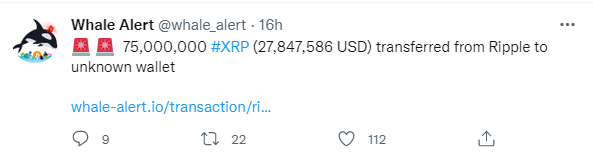
Whale Alert is a popular service that tracks these large transactions and reports them, often on Twitter. Whenever a whale makes a big move, it’s usually publicized quickly, giving everyone a heads-up on potential market changes.
Below is an example from Twitter from Whale Alert:
The Human Side of Whales
Behind these massive holdings are real people and organizations. Some whales are early adopters who bought into Bitcoin or other cryptocurrencies when they were cheap. Others are companies that have invested heavily in the belief that cryptocurrencies will continue to grow in value. For instance, Ethereum’s founder, Vitalik Buterin, is the biggest Ethereum whale because he holds a significant amount of the cryptocurrency he created.
How Whales Affect Crypto's Price
Price volatility can be increased by whales, particularly when they move a significant amount of one cryptocurrency in one go. For example, when an owner tries to sell their BTC for fiat currency, the lack of liquidity and enormous transaction size create downward pressure on Bitcoin's price. When whales sell, other investors become extremely vigilant, looking for hints of whether the whale is "dumping" their crypto (and whether they should do the same).
The exchange inflow mean, also known as the average amount of a certain cryptocurrency deposited into exchanges, is one of the most common indicators crypto investors look for. If the mean transaction volume rises above 2.0, it implies that whales are likely to start dumping if there are a large number of them using the exchange. This can be viewed by regular crypto traders as a time to act before losing any potential profit.
How Whales Affect Liquidity
When it comes to learning about whales and liquidity, one must remember that while whales are generally considered neutral elements in the industry, when a large number of whales hold a particular cryptocurrency, instead of using it, this reduces the liquidity in the market due to there being fewer coins available.
What Crypto Whales Mean to Investors
In terms of the relationship between whales and investors, one must remember that there are various situations in which a person may transfer their cryptocurrency holdings. It's worth mentioning that moving one's assets doesn't always indicate that you're selling them; they might be switching wallets or exchanges, or making a major purchase.
Occasionally, whales may sell portions of their holdings in discrete transactions over a longer period to avoid drawing attention to themselves or generating market anomalies that send the price up or down unpredictably. This is why investors keep an eye on known whale addresses to check for the number of transactions and value. This is not necessarily a task that newbie investors need to actively be involved with, however, understanding the terms and how whale accounts can affect the market is recommended.
Why Whales Matter
Whether you love them or hate them, whales are a formidable force in the crypto world, shaping its dynamics in profound ways. These giants, whether they’re creators, collectors, or traders, have a tremendous impact across the digital waters. When they make a move, it can trigger monumental swells that ripple through the entire market.
By understanding whale activity, anyone involved in cryptocurrency can better navigate these choppy waters. Staying informed about whale movements helps both newbies and seasoned traders make smarter decisions and stay afloat in this ever-changing space. Keep an eye on these behemoths; their actions can significantly influence your crypto journey.
While tracking whale activity can offer valuable insights into the cryptocurrency market, it's important to complement this knowledge with expert advice. Consulting with a financial advisor can help you navigate the complexities of investing and ensure your strategies align with your personal financial goals and risk tolerance.

Crypto landing in your wallet sounds too good to be true, right? But airdrops are real, and here's everything you need to know about them.
Want to earn free cryptocurrency without spending a cent? That’s the promise of airdrop crypto: a blockchain project distributes tokens directly to users as part of a marketing strategy. These airdrops are designed to grow awareness, attract community members, and decentralize token ownership. For end users, it can mean free coins that sometimes turn into thousands of dollars. So, win-win.
Join us, and you’ll learn exactly what a crypto airdrop is, how it works, how much you can earn, and the safest ways to participate. Whether you’re new to tokenization or already active in DeFi channels, airdrops can be a powerful way to expand your portfolio.
Airdropping Facts
- Airdrops in crypto mean free token distribution from a project website or official channel.
- Some airdrops have paid out up to $10,000+ depending on project success.
- Most require simple tasks like following socials, joining a community, or holding a wallet balance.
- Earlier participation means higher probability of receiving valuable tokens.
- Airdrops may be taxable depending on your jurisdiction.
What’s an Airdrop in Crypto?
A crypto airdrop is when a project gives out its native coins for free as a marketing tool to generate hype, grow its network and gain wider adoption, essentially providing free money. On occasion, the coins require small tasks such as following social media pages, and other times they are entirely free of engagements.
These coins are then transferred to current or potential users' wallets for free in the hopes of drawing in more business. Airdrops rose to fame in the ICO boom of 2017 and are still used today. While handed out for free, airdrops can increase in value over time, becoming potentially lucrative to the receivers.
Through distributing coins, projects increase their number of holders (a positive metric for up and coming projects) as well as increase their decentralisation (due to increased token ownership).
How Much Can You Earn from Crypto Airdrops?
The earning potential of crypto airdrops can be surprising. Some are small, worth a few dollars, while others have changed lives. For example, in 2020, Uniswap rewarded active users with 400 UNI tokens, valued at over $1,200 at the time. In 2021, the dYdX airdrop delivered more than $10,000 to certain traders.
The value of an airdrop depends on several factors:
- The project’s success and adoption
- The timing of token distribution vs. market demand
- The level of task requirements and how early you joined
While not guaranteed, dedicated participants who consistently engage with projects and their computing platforms can build a portfolio worth thousands over time.
How Crypto Airdrops Work
At its core, a crypto airdrop is a blockchain-based marketing strategy. It is typically outlined in a project's roadmap and will commence once certain criteria have been met. While airdrops can range from project to project, they typically involve small amounts of cryptocurrencies, often built on Ethereum or other smart chain, being distributed to several wallets.
These coins are usually distributed for free, however, on occasion users will need to perform small tasks related to marketing, like engaging on social media, or hold a certain number of coins in their wallet. A successful airdrop will see its recipients promoting the project and generating hype before being listed on an exchange.
Regarding the actual distribution, a project allocates a portion of its token supply to distribute freely to wallets. This distribution can happen automatically (via snapshot of holders) or manually (users claim via the project website).

Projects airdrop tokens for three main reasons:
- Marketing & awareness: generate buzz through socials and web content.
- Decentralization: increase the number of holders across the community.
- Rewarding users: thanking early adopters or incentivizing loyalty.
Most airdrops happen on Ethereum, but they can also use other blockchains, and increasingly involve both fungible and non-fungible tokens.
What’s The Difference Between An ICO And An Airdrop?
While both are related to new digital currency projects, the major difference between the two is that airdrops are when tokens are distributed for free while ICOs require participants to purchase the project's tokens with an outlined purchase price. ICOs are a source of crowdfunding while airdrops are marketing strategies.
Types of Crypto Airdrops
There are several kinds of airdrops, each with unique requirements and earning potential:
- Standard Airdrops: Free tokens distributed just for registering a wallet address.
- Holder Airdrops: Tokens sent to users who already hold the project’s coin. Stellar once dropped 3B XLM to Bitcoin holders.
- Bounty/Task Airdrops: Require marketing-related engagement like retweeting, joining a Telegram channel, or tagging friends. The project might ask to see proof before distributing the coins.
- Exclusive Airdrops: Sent to a select group, often early adopters or whitelisted wallets.
- Retroactive Airdrops: Rewards for using a project before a certain date. Uniswap is a classic example of this, distributing 400 UNI to each wallet that had engaged in the platform before a certain date. The governance token allowed holders to vote on the project’s future developments.
Typically, retroactive and exclusive airdrops offer the highest payouts because they reward active community involvement.
The Downsides to Airdrops
There are malicious actors out there who take advantage and have created airdrop scams. These scams might involve a "project" airdropping tokens into a wallet but when the holder attempts to move these tokens their wallet is drained.
Another example of an airdrop scam is a project enticing you to sign up for the airdrop by connecting your wallet only to take your wallet details and gain access to your account. These are typically conducted through websites and fake Twitter and Telegram accounts that look very similar to the real deal but are actually phishing scams.
It's important to do your own research when engaging in an airdrop, and know that a project will never require you to send funds in order to "unlock" tokens or require you to provide a seed phrase or private key.
Another downside to airdrops is that projects can create an incorrect impression of growth. If thousands of coins are distributed to thousands of wallets this might cause the project to look busier and more adopted than it actually is. When judging a project by this metric, make sure that it has an active trading volume that reflects the number of wallet holders. You don’t want to see plenty of holders with minimal activity.
Red Flags
Not every airdrop is safe. Be on the lookout for these red flags:
- Fake websites and phishing scams imitating real projects.
- Tokens that drain wallets when moved.
- Requests for private keys or seed phrases (always a scam).
How to Get Started with Crypto Airdrops
Getting started is easier than most beginners think. Here’s what you’ll need:
- Set up a wallet compatible with ERC-20 and other popular standards.
- Follow aggregator sites like Airdrop Alert or CoinMarketCap’s airdrop page for upcoming opportunities.
- Join project communities on Discord, Telegram, or Twitter to stay informed about announcements.
- Create social media accounts dedicated to airdrops: useful for bounty requirements.
- Keep your wallet safe and updated: never share private keys.
Want to be ready for the next big crypto airdrop? While some airdrops reward users simply for interacting with a new protocol, many of the most succulent opportunities are reserved for those who hold a specific token. For example, past airdrops have targeted Bitcoin (BTC) and Ethereum (ETH) holders to bootstrap new projects on their respective blockchains.
So, do you need BTC or ETH or SOL maybe? Look no further and get them on Tap! Tap offers a seamless all-in-one platform where you can easily on-ramp from fiat to crypto and get the coins you need, without extra steps. Find the exact cryptocurrency you need to qualify and grab your airdrop before anyone else!

Discover benchmarks! Learn how they measure performance and quality in finance and technology.
In the world of finance and technology, benchmarks are a vital tool for measuring performance and quality. A benchmark is a standard or point of reference used to evaluate the performance or quality of something, such as investment returns or the efficiency of software and hardware systems. This article will explore what benchmarks are, why they are used, provide examples, and explain how to use benchmarks to make more informed investment decisions.
What is a Benchmark?
A benchmark is a standard of comparison used to evaluate the performance or quality of something. In finance, benchmarks are often used to compare the performance of investments to a specific market index. For example, the S&P 500 index is a commonly used benchmark for evaluating the performance of a portfolio of stocks.
Benchmarks are also used in the technology industry to evaluate the efficiency and performance of hardware and software systems. For example, a computer's processing speed may be benchmarked against industry standards to determine how well it performs compared to other computers on the market.
Why are Benchmarks Used?
Benchmarks are used for a variety of reasons. In finance, benchmarks are used to evaluate the performance of an investment or a portfolio of investments. By comparing the performance of an investment to a benchmark, investors can determine whether their investment strategy is successful or not.
In the technology industry, benchmarks are used to evaluate the efficiency and performance of hardware and software systems. By benchmarking a computer or a software system against industry standards, developers can determine how well their product performs compared to other products on the market.
Examples of Benchmarks:
There are many different benchmarks used in finance. Here are a few examples:
- S&P 500 Index - This is a benchmark used to evaluate the performance of a portfolio of stocks in the United States. It is widely used by investors as a measure of the overall performance of the U.S. stock market.
- Dow Jones Industrial Average - This is another benchmark used to evaluate the performance of the U.S. stock market. It is based on the stock prices of 30 large U.S. companies.
How to Use Benchmarks
To use a benchmark, you first need to select the appropriate benchmark for your needs. For example, if you are evaluating the performance of a portfolio of stocks, you would select a stock market index such as the S&P 500 or the Dow Jones Industrial Average.
Once you have selected a benchmark, you can compare the performance of your investment or product to the benchmark. If your investment or product outperforms the benchmark, then it is considered successful. If it underperforms, then you may need to adjust your investment strategy or product development.
How Do Benchmarks Help You Make More Informed Investment Decisions?
Benchmarks help investors make more informed investment decisions by providing a standard of comparison for investment performance. By comparing the performance of an investment to a benchmark, investors can determine whether their investment strategy is successful or not.
For example, if an investor's portfolio of stocks outperforms the S&P 500 index, then the investor can be confident that their investment strategy is successful. However, if the portfolio underperforms the S&P 500, then the investor may need to reevaluate their investment strategy.
Benchmarks also help investors identify trends in the market. By tracking the performance of a benchmark over time, investors can identify trends in the market and adjust their investment strategy accordingly.
Conclusion:
In conclusion, benchmarks are a fundamental tool used in finance and technology to measure performance and quality. They provide a standard of comparison that helps investors and developers evaluate the success of their investments and products.
Using benchmarks to evaluate investment performance and product efficiency can help you make more informed investment decisions. By comparing the performance of your investments or products to industry standards, you can determine whether your investment strategy or product development is successful or not.
Overall, benchmarks are an essential tool for evaluating performance and quality, and understanding how to use them is crucial for success in finance and technology.

A bull market or bullish market describes a condition within a financial market where the prices are rising or are expected to rise.
Imagine a world where your investments flourish, your financial goals are within reach, and you navigate the complexities of the stock market with confidence. Welcome to the world of bull markets, where optimism reigns supreme, prices surge, and opportunities thrive.
Whether you're a novice investor or someone looking to deepen their financial acumen, comprehending bull and bear markets is an essential pillar of success. With the right insights and strategies, you can harness the potential of these upward trends and navigate the often-unpredictable world of investing.
In this article, we will delve into the defining traits of bull markets, explore the drivers of their growth, examine the benefits and opportunities they present, and equip you with the knowledge to navigate the accompanying risks and make informed investment decisions.
What is a bull market?
At its core, a bull market is a period characterized by extended price rallies across various financial markets, such as stocks, bonds, or commodities. During this time, optimism and positive sentiment prevail, inspiring investors to engage in increased trading activities to tap into potential capital gains. The allure of potential gains draws both seasoned investors and newcomers into the market, fostering an atmosphere of excitement and growth.
It is often associated with economic growth, positive corporate performance, and favorable market conditions. Understanding what constitutes a bull market is essential for investors as it allows them to identify potential opportunities, make informed investment decisions, and capitalize on the upward momentum of the market.
With an understanding of a bull market and their defining characteristics, you'll gain the ability to identify opportunities, make informed decisions, and mitigate potential risks.
A bull vs bear market
A bull market occurs when prices are on the incline, while a bear market occurs when prices are on the decline. This is paired with corresponding investor sentiment. Bull markets tend to last longer than bear markets, with an average length of 6.6 years, according to Time Magazine. While the average bear market lasts from a few months to several years.
The longest bull market ever recorded in US stock market history is 11 years when the bull market began in the depths of the 2009 financial crisis and lasted until the pandemic in 2020. The bull run came to an end when the Dow Jones Industrial average closed 20% below its February high.
What does “bull” refer to?
Many believe that the term "bull" in the context of a bull market derives from the way a bull attacks its prey by thrusting its horns upward. This analogy captures the essence of a bull market, where prices rise aggressively and investor optimism prevails.
The upward movement of prices symbolizes the bullish nature, with investors charging ahead and pushing the market higher. The term "bull" has become synonymous with a market characterized by optimism, growth, and upward momentum, reflecting the spirit of these dynamic market cycles.
The characteristics of a bull market
In a bull market, several distinctive characteristics shape the investment landscape, offering potential opportunities for investors. Let's explore these traits in a beginner-friendly manner:
An extended period of rising prices
Bull markets are defined by extended periods of rising prices across various financial markets. Notable historical examples include the dot-com boom in the late 90s and the housing market surge in the early 2000s. Factors contributing to these price increases include favorable economic conditions like robust GDP growth and positive corporate performance. These factors fuel the upward trajectory of prices, making bull markets attractive to investors.
Optimism and positive sentiment
Bull markets thrive on investor confidence and positive sentiment. During these periods, optimism spreads through the investment community like wildfire, fostering an atmosphere of excitement and growth. Market psychology plays a pivotal role, as investors' positive outlook and belief in future market trends fuel their decision-making.
Economic indicators and news also influence investor sentiment. Positive economic data, such as strong job reports or increasing consumer spending, can also amplify overall optimism. News of beneficial government policies or advancements in key industries can further boost investor confidence, driving the market upwards.
Increased trading activity
In a bull market, trading activity surges with higher volumes and increased market participation. Investors actively buy and sell assets to benefit from the upward momentum. This heightened activity enhances market liquidity, allowing for easier asset transactions.
However, increased trading in a bull market also carries risks, including heightened volatility and sharper price fluctuations. Caution and effective risk management strategies are essential. It's important to remember that bull markets are part of market cycles that naturally undergo corrections as they progress through phases.
The four phases of the economic cycle
Market cycles typically go through four distinct phases, each characterized by different investor behaviors, market dynamics, and price movements. Understanding these phases can provide valuable insights for investors. Here are the four phases of a market cycle, using the stock market as an example:
Accumulation phase
During this phase, the stock market is recovering from a downturn or consolidation period. Stock prices are often low, and investor sentiment is negative or uncertain. Savvy investors start accumulating assets during this phase, taking advantage of attractive price points and positioning themselves for the next phase.
Markup phase
The markup phase marks the beginning of a bull market. Stock prices start to rise steadily as optimism and positive sentiment build up. The stock market experiences broad-based buying, and the overall trend is upward. This phase is characterized by increasing volumes and participation from retail investors. It is an opportune time for growth-oriented investments.
Distribution phase
In the distribution phase, the stock market reaches its peak. Prices are at their highest levels, and investor optimism is at its peak. However, savvy investors start selling their holdings to make profits, sensing that the stock market may be overextended. This phase often exhibits increased volatility, and signs of exhaustion or divergences may emerge.
Markdown/decline phase
The markdown or decline phase, also known as the bear market, sees a sustained period of falling prices. Investor sentiment turns negative, and fear dominates the market. Selling pressure increases, leading to further price declines. This bear market phase offers opportunities for defensive positioning, capital preservation, and potential bargain hunting as stock market prices reach attractive levels.
The benefits of a bull market
With rising prices, a bull market also brings a wide range of benefits that can positively impact investors and businesses alike. Below are several advantages of a bull market:
Increased returns
One of the main benefits of a bull market is the potential for increased investment returns. As prices rise during this market phase, investors have the opportunity to enjoy capital appreciation, meaning their investments grow in value over time. This can lead to wealth creation, allowing individuals to achieve their financial goals more quickly.
Furthermore, a bull market often leads to higher dividends and stock values. Companies tend to perform well during these periods, generating strong earnings and cash flows. As a result, they may distribute higher dividends to shareholders, providing an additional source of income. Additionally, stock market valuations tend to rise, presenting investors with the potential for capital gains.
Investment strategies for a bull market
There are several investment strategies that align perfectly with the rising price movements of a bull market. Firstly, asset allocation and portfolio diversification play a crucial role in reducing risk and maximizing returns. Allocating investments across different asset classes, such as stocks, bonds, and commodities, helps manage volatility and spreads risk.
Additionally, identifying growth sectors can be profitable. Certain sectors, such as technology, healthcare, or renewable energy, tend to flourish during bull markets. Conducting thorough research and selecting individual stocks within these sectors that show strong growth potential can lead to impressive returns.
Favorable conditions for businesses
Bull markets create favorable conditions for businesses, enabling them to thrive. Rising stock prices and investor optimism provide companies with easy access to capital through IPOs and secondary offerings, fueling expansion, research and development, and fostering innovation and job creation.
Additionally, bull markets and rising corporate profits also positively impact consumer spending and confidence, as individuals feel more secure and optimistic about their financial futures. This heightened confidence translates into increased consumer spending, benefiting businesses across industries. While bull markets offer benefits, investors should remain vigilant and manage risks such as market volatility and overvaluation through careful due diligence.
The risks of a bull market
While a bull market presents enticing opportunities as stock prices rise, it is essential to be aware of the risks that come hand-in-hand with this market phase. Understanding and managing these risks is crucial for investors to navigate the dynamic landscape of a bull market. Below we explore the potential risks one should be aware of before they invest in a bull market.
Market volatility
Bull markets are not immune to volatility. Prices can fluctuate sharply, leading to heightened market volatility. Sudden downturns or corrections can catch investors off guard, eroding gains and causing emotional stress. It is crucial to maintain a long-term perspective and be prepared for market fluctuations.
Market timing and investor psychology
Timing the market is notoriously difficult when chasing a bull market or navigating a bear market. Greed and fear can drive investors' decision-making, leading to poor investment choices. Emotional biases, such as herd mentality or fear of missing out (FOMO), can cloud judgment and result in impulsive decisions. It is essential to remain disciplined, stick to a well-thought-out investment strategy, and avoid succumbing to emotional impulses.
Complacency
During a bull market, complacency can set in as investors enjoy a prolonged period of rising prices. This complacency can lead to a lack of proper due diligence, with investors neglecting to thoroughly research investments and analyze potential risks. It is crucial to maintain diligence, conduct a thorough analysis, and make informed decisions. This remains true during both a bull and bear market, consult a financial advisor if need be.
Overvaluation and bubbles
In the euphoria of a bull market, prices can become disconnected from their underlying value, leading to overvaluation. Investors may become overly optimistic, driving prices to unsustainable levels. This can create speculative bubbles, where assets are priced far above their intrinsic value. This was witnessed in the infamous dot-com stock market bubble in the late 1990s. The bursting of these bubbles can result in significant losses.
Market reversal and bear markets risk
As illustrated in the market cycles above, bull markets do not last forever. They eventually transition into bear markets, which are characterized by falling prices and negative sentiment. Investors should be prepared for a potential market reversal and have strategies in place to protect capital during downturns.
Previous bull runs in stock market in history
Historic bull markets serve as valuable reference points for understanding the potential and dynamics of such market cycles.
One notable bull market example is the dot-com boom of the late 1990s, characterized by soaring stock prices in the technology sector, which ultimately lead to a stock market crash. Another example is the bull market of the 2010s, fueled by accommodative monetary policies and post-financial crisis recovery.
These historical instances highlight the immense growth and potential gains that can be achieved during bull markets, but they also underscore the importance of caution and risk management to avoid excessive speculation and potential market bubbles.
Lessons learned from previous bull market cycles emphasize the importance of staying grounded and avoiding excessive optimism. Markets can be cyclical, and bull markets eventually give way to bear markets.
Understanding the concept of market cycles, maintaining a diversified portfolio, and practicing disciplined investing are crucial lessons. Additionally, previous bull markets have shown the importance of not chasing hot trends or succumbing to irrational exuberance. Patience, a long-term perspective, and thorough research are key to navigating bull markets and managing risks effectively.
In conclusion: bull markets
A bull market is an exciting and potentially lucrative phase of the market cycle, characterized by rising prices, investor optimism, and increased trading activity. It offers increased investment returns, favorable conditions for businesses, and opportunities for implementing bull-specific investment strategies.
However, it is essential to be aware of the risks associated with bull markets, such as market volatility, overvaluation, and emotional biases. Learning from previous bull market cycles and understanding market dynamics can provide valuable insights to navigate these risks effectively.
By maintaining discipline, conducting thorough research, and practicing risk management, investors can harness the benefits of a bull market while mitigating potential pitfalls. So, as you embark on your financial journey, keep these insights in mind and empower yourself to make informed investment decisions in the dynamic world of bull markets.

Discover the power of market trends and learn the difference between bull and bear markets. Gain insights into how to navigate both.
In market terminology, a bull market is a period of generally rising prices and investor optimism. The term "bull market" comes from the market that rises steadily and consistently like a healthy bull. A bear market is the opposite: It refers to a condition when prices are falling and investors are pessimistic about future market value. Historical market cycles are well defined and provide a good understanding of market trends.
It's all about cycles
The market cycle helps investors to know whether they should invest or hold back their crypto coins. To avoid making wrong market choices, investors should know market cycles so they can decide whether the crypto market is on the rise or not.
The market cycle helps people to know when the market is already booming and ready to take a plunge. This helps traders to decide which crypto coin to buy at its lowest value, hold it until market bull cycle and then sell it to make a very good profit.
The Bull Market:
A Bull market is a long run of increasing prices and investor optimism where buyers outnumber sellers. As the market bull cycle goes on, more investors will see the market as their opportunity to buy low and sell high. The result is a market cycle that is not as steep as it had previously been.
The Bear Market:
A Bear market is the opposite of a Bull market where prices are falling and investors have low expectations for future market values. The market cycles are frequently broken up into bull markets and bear markets. This market cycle happens when market prices fall and investors sell their coins, this causes market prices to drop even more until the trend reverses.
The case of the Dead/flat market
A Dead market is a term used to describe a period of time where there is not much movement in either direction but it is not a market downturn by any means. This market cycle can occur after prolonged market cycles such as bull (rising trend market) and bear (falling trend market).
The market is not a straight line, it goes up and down so even though the market has gone on for a considerable time without any market fluctuation, market volatility will eventually return.
The market can be dead for a long time but it could cause worry within investors so they should know where market cycles stand.
Since market cycles are consistent it is better to be ready for market volatility, this will help you make informed market decisions when market cycles return.
In conclusion: the market cycle is a repeating market trend that describes market fluctuations over time. When market prices increase, it is called a bull market; when prices fall, it's called a bear market. Knowledge of market cycles is an important asset for investors in the crypto market as the knowledge of swings, downturns and upturns can help make better-informed decisions with investing in cryptocurrencies.

Understand what a bid-ask spread is before buying or selling assets to ensure you're making the smart financial decisions.
If you’re new to trading it is likely that you’ve come across the term “bid-ask spread”. A bid-ask spread provides a good measure of the market’s liquidity and in simple terms refers to when the ask price for an asset exceeds the bid price when trading. It’s important for traders to consider the bid-ask spread when buying or selling an asset as it affects the profitability of their trades.
In this article, we break this concept down along with bid price and ask price, and explore how they work and why it's relevant.
Bid price and ask price definitions
Before we get started, let's cover what the terms bid price and ask price mean.
Bid price
The bid price is the highest price that a buyer is willing to pay for a financial asset, such as a stock or a currency pair. It is the price at which a buyer is willing to purchase the asset from the seller. In other words, the bid price represents the demand for the asset, as buyers are willing to pay this price to acquire it.
Ask price
The ask price is the lowest selling price that a seller is willing to accept for an asset. It represents the price that a seller is willing to sell the asset to a buyer. The ask price represents the supply of market, as sellers are willing to offer it at this price.
What is a bid-ask spread?
As touched on above, a bid is the highest price a buyer is willing to pay for an asset, indicating the demand in the market, while the ask is the lowest price a seller is willing to accept, indicating the supply.
The bid-ask spread, therefore, refers to the difference between the bid price and ask price and represents the profit margin for market makers and other intermediaries who facilitate trades in the financial markets.
The bid-ask spread is a fundamental concept in trading, as it represents how liquid the market is. A narrow bid-ask spread indicates a more liquid market with tighter competition, while a wider spread indicates a less liquid market with fewer buyers and sellers.
How bid-ask spreads work
Market makers, many of which are employed by brokerages, process orders for traders and collect the spread (more on this below). This is often referred to by brokerages as “crossing the spread”, a means by which the business earns revenue.
The bid-ask spread represents a reflection of the supply and demand for an asset. If there are more people who want to buy than sell, this equates to a narrow bid-ask spread, while a wide bid-ask spread will indicate a less liquid market.
The depth of the bids and asks can affect the spread, and traders need to be aware of the spread when placing orders. Sometimes, market makers will widen the spread to protect themselves from risk, and some traders try to make money by exploiting changes in the spread.
Example of how a bid price and ask price works
Say a stock price is listed on an exchange with a bid price of $50 and an ask price of $55, this makes the bid-ask spread $5. This value might also be presented in percentage form, calculated as a percentage of the lowest ask or bid price.
This would be calculated by dividing the bid-ask spread by the lowest ask price. In this case, $5 divided by $50 multiplied by 100.
$5 / $50 x 100 = 10%
This spread would close if a seller offered to sell that stock at a lower price or a buyer offered to purchase the stock at a higher price. This value would then be collected by the market maker.
What are market makers?
A market maker is a financial firm or individual that facilitates the buying and selling of financial instruments in a particular market. Market makers are typically investment banks, brokerage firms, or other financial institutions that maintain an inventory of certain financial assets and are willing to buy and sell these assets at publicly quoted prices.
Market makers provide liquidity to a financial market by offering to buy and sell financial assets at prices that are close to the current market price. They do this by quoting both a buy and a sell price for the assets they trade, and they make a profit by buying assets at a lower price than they sell them for.
Market makers play a crucial role in financial markets, as they ensure that there is a continuous supply of buyers and sellers for financial assets, even during times of market volatility or uncertainty. This helps to keep prices stable and reduces the risk of market disruption or illiquidity.
Bid-ask spreads and market liquidity
The degree of bid-ask spread differs across various assets due to their varying liquidity. The more liquid an asset is in the market, the lower the bid-ask spread. Take currencies for example, due to their highly liquid market they have one of the smallest spreads in the industry. Metals on the other hand, like platinum, have a wider bid-ask spread due to lower trading volumes.
Less liquid assets will therefore have a higher bid-ask spread, often indicating to professional investors that it is a more risky asset.
In conclusion
The bid-ask spread is a concept used in trading that indicates the gap between the maximum price that a buyer is willing to offer for an asset and the minimum price that a seller is ready to take. The bid-ask spread also reflects how liquid the market is, indicating how many buyers and sellers that particular asset has.
News and updates
Bitcoin December Outlook: Will BTC Deliver a Holiday Rally Before 2026?
Bitcoin rebounded and now sits at a crossroads. Discover what whale accumulation, macro developments, and key technical levels signal for the end of 2025.

Bitcoin's Comeback: Three Forces That Could Make or Break it
Bitcoin is a long way from reclaiming its all-time high and stuck under $92,000, but three powerful forces could flip the script sooner than you think.
The Surge After the Storm: What’s Next for Bitcoin and the Market
After a brutal October sell-off, crypto just staged one of its most dramatic comebacks yet. Here's what the market's resilience signals for what comes next.

Decoding the disconnect: America's cautious approach to crypto
Bitcoin and the broader crypto market have soared to a staggering $2.1 trillion in value, but why does skepticism still linger among so many Americans? Here is a deep dive into the current trust gap.